Antipsychotics — EPS & NMS
Typicals (haloperidol) and atypicals (risperidone, clozapine, olanzapine).
- Lesson 3 of 12
- 5 min read
4 terms
- Acute dystonia
- sudden involuntary muscle contractions (neck, face, tongue/jaw, back, eyes — oculogyric crisis). Onset hours to days. Treat with benztropine (Cogentin) or diphenhydramine (Benadryl) IM.
- Akathisia
- subjective inner restlessness — patient can't stay still, constant leg movement. Often confused with anxiety. Treat by dose reduction or adding propranolol.
- Parkinsonism
- bradykinesia, pill-rolling tremor, shuffling gait, mask-like face. Treat with benztropine or amantadine.
- Tardive dyskinesia (TD)
- delayed involuntary movements — lip smacking, tongue protrusion, facial grimacing, choreiform movements. Associated with long-term use. Often irreversible. Assess with AIMS (Abnormal Involuntary Movement Scale). Valbenazine (Ingrezza) is FDA-approved treatment.
Overview
Typicals → more extrapyramidal symptoms (EPS). NMS is a medical emergency.

Typical vs. Atypical Antipsychotics
Monitoring must match the specific risk profile.
- Typical (first-generation): haloperidol (Haldol), chlorpromazine, fluphenazine. Block D2 receptors. Highly effective for positive symptoms (hallucinations, delusions). Higher EPS risk.
- Atypical (second-generation): risperidone, olanzapine, quetiapine, aripiprazole, clozapine, ziprasidone. Block D2 + 5-HT2 receptors. Better for negative symptoms, lower EPS, but metabolic side effects.
- All antipsychotics have a black-box warning for increased mortality in elderly patients with dementia-related psychosis.
Extrapyramidal Symptoms (EPS)
EPS can be mistaken for worsening psychiatric illness unless the nurse recognizes the movement pattern.
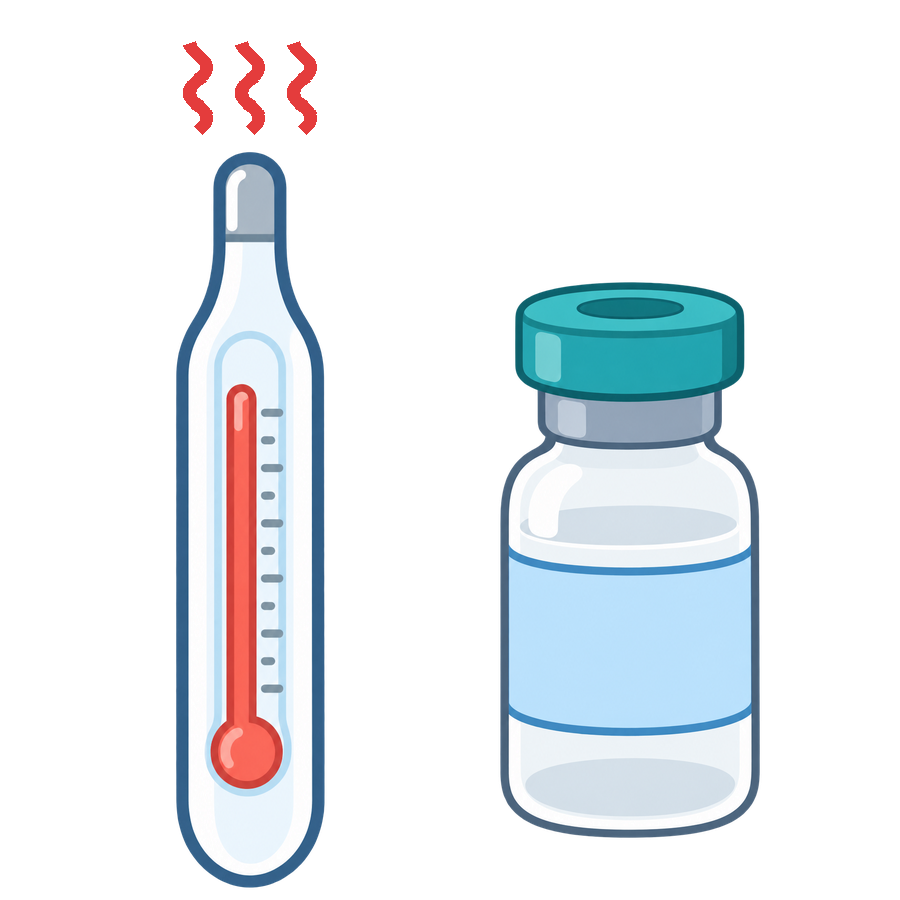
Neuroleptic Malignant Syndrome (NMS)
Hold the antipsychotic, notify the provider, begin cooling and supportive care, and prepare for ICU-level monitoring.
- Potentially fatal emergency. Can occur with any antipsychotic but more common with high-potency typicals (haloperidol).
- Tetrad: Lead-pipe muscle RIGIDITY, high FEVER (>103°F/39°C), altered mental status (agitation → stupor → coma), AUTONOMIC instability (diaphoresis, labile BP, tachycardia, incontinence).
- Labs: elevated CK (muscle breakdown), leukocytosis, myoglobinuria (renal failure risk).
- Management: STOP the antipsychotic immediately. Supportive care (cooling, IV fluids), dantrolene (muscle relaxant), bromocriptine (dopamine agonist).
Clozapine-Specific Monitoring
The nurse must verify required ANC monitoring, teach infection reporting, and watch for myocarditis, seizures, constipation/ileus, metabolic syndrome, and heavy sedation.
- Clozapine (Clozaril): used for treatment-resistant schizophrenia only. Highest risk of agranulocytosis (1–2% of patients).
- ANC monitoring: weekly for the first 6 months, every 2 weeks for the next 6 months, then monthly (the REMS program ended in 2025; monitoring is still recommended).
- ANC 1,000–1,499/µL (mild neutropenia): continue and monitor 3×/week. ANC 500–999 (moderate): interrupt and monitor daily. ANC <500 (severe): discontinue.
- Other risks: seizures (dose-dependent), myocarditis, orthostatic hypotension, sedation, hypersalivation, metabolic syndrome.
Key nursing points
- EPS: acute dystonia, akathisia, parkinsonism, tardive dyskinesia. Treat with benztropine/diphenhydramine.
- NMS: fever, rigidity, altered mental status, autonomic instability. STOP drug, cool, dantrolene/bromocriptine.
- Clozapine: ANC weekly × 6 mo for severe neutropenia. ANC 1,000–1,499: continue, check 3×/week; < 1,000: interrupt.
- Atypicals: weight gain, hyperglycemia, dyslipidemia — monitor metabolic panel.
- Tardive dyskinesia (lip smacking) often irreversible — assess with AIMS scale.
Test yourself

Pick your answer first, then open the rationale. Guessing teaches nothing.
Typicals (haloperidol) and atypicals (risperidone, clozapine, olanzapine).
— 3 —