Chemotherapy Precautions
Hazardous-drug handling + protecting the immunocompromised patient.
- Lesson 1 of 3
- 5 min read
Overview
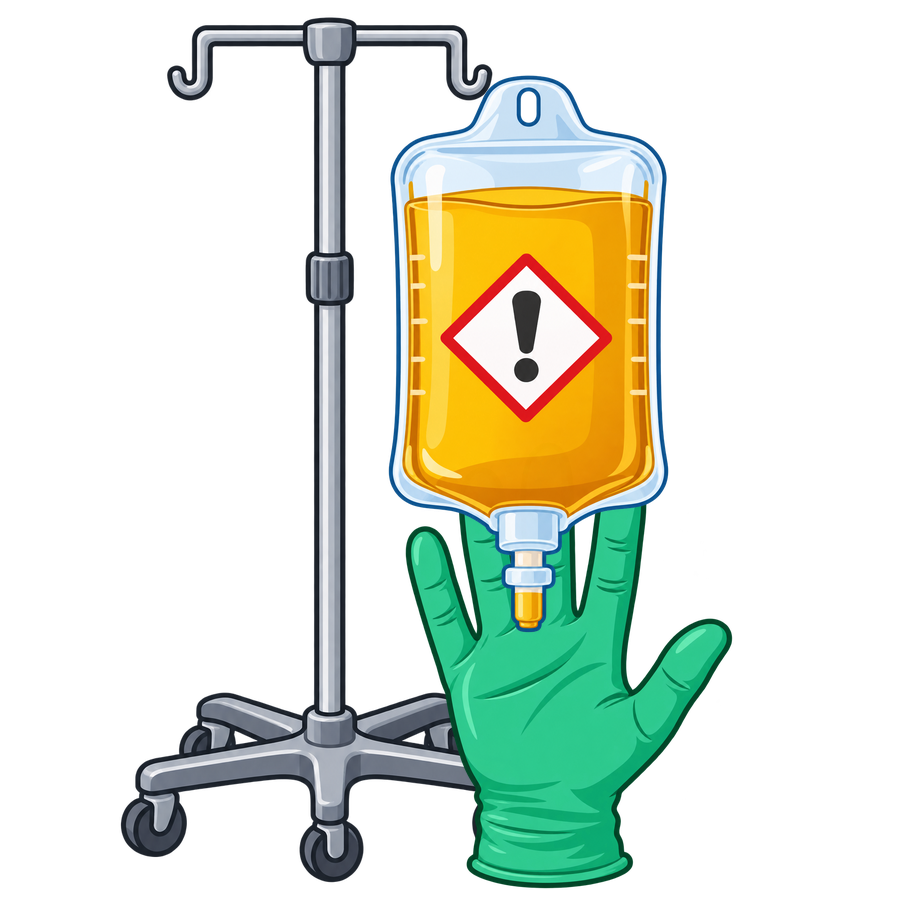
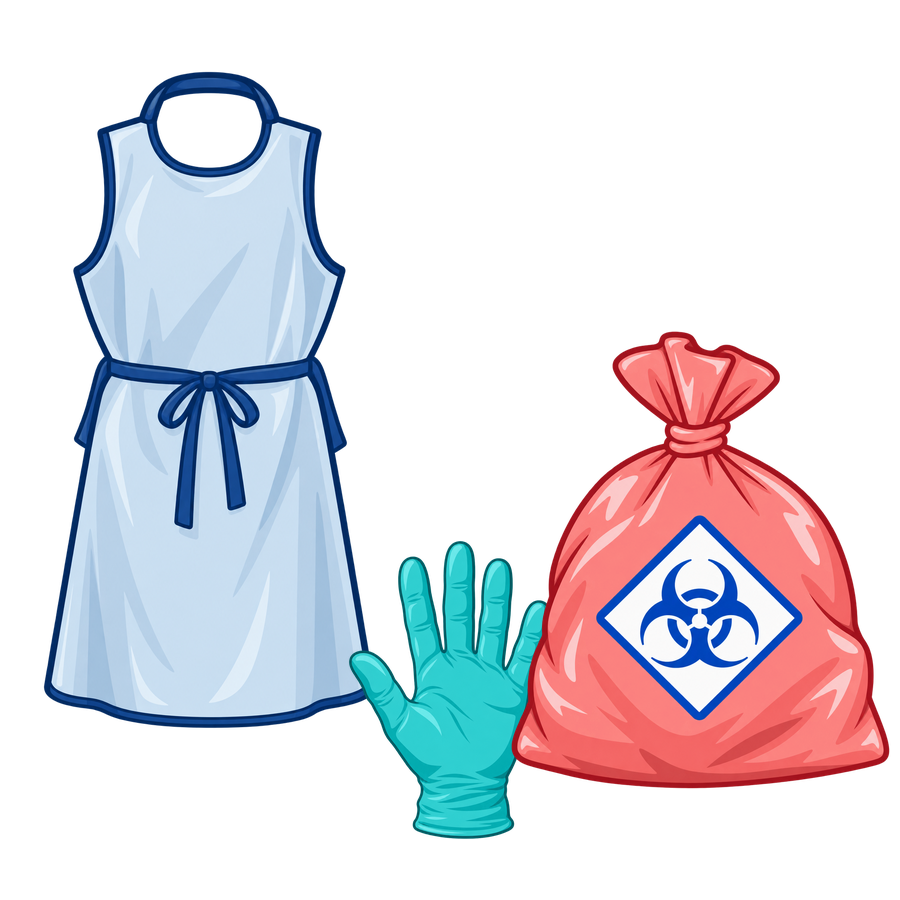
Wear chemo-rated PPE when administering or handling body fluids for 48 hr after dose.
Overview
Chemotherapy uses cytotoxic medications to stop or slow rapidly dividing cancer cells.
Assessment Findings
Chemotherapy assessment starts before the medication reaches the patient.
- Assess baseline CBC, renal/liver function, performance status, infection signs, nausea risk, mucositis, neuropathy, and central line status.
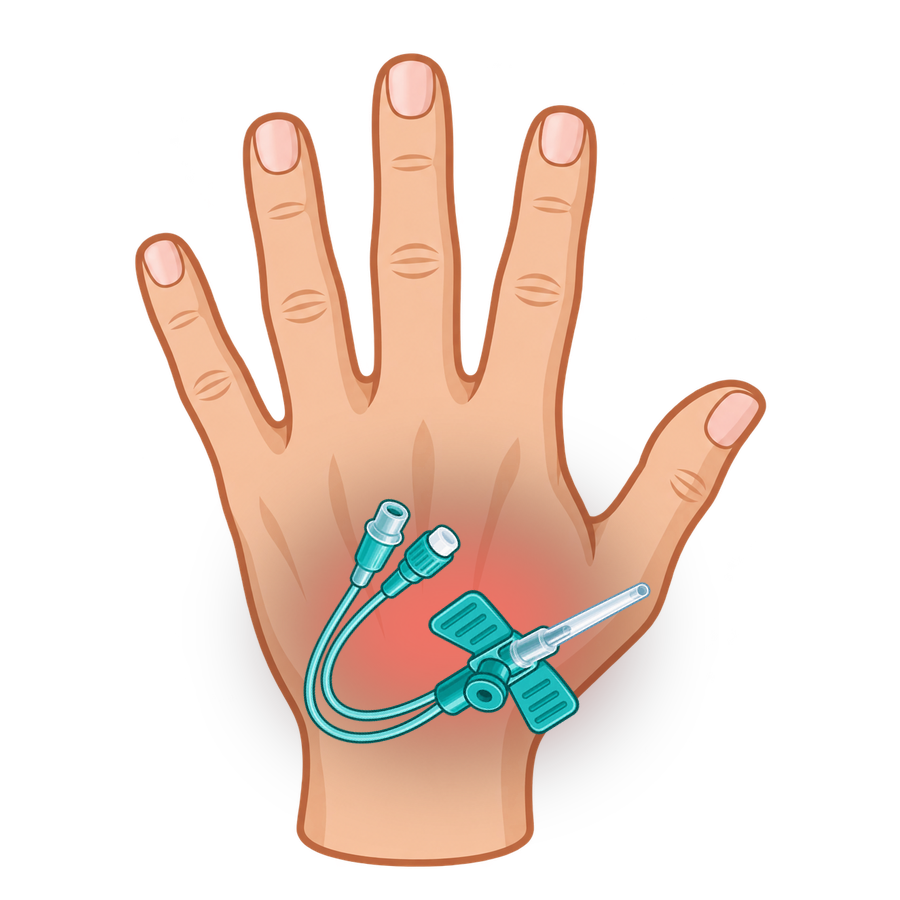
- During infusion, monitor for hypersensitivity, extravasation, pain, swelling, burning, rash, dyspnea, or hypotension.
- After treatment, assess for fever, bleeding, mouth sores, diarrhea, dehydration, fatigue, and uncontrolled nausea.
Diagnostics
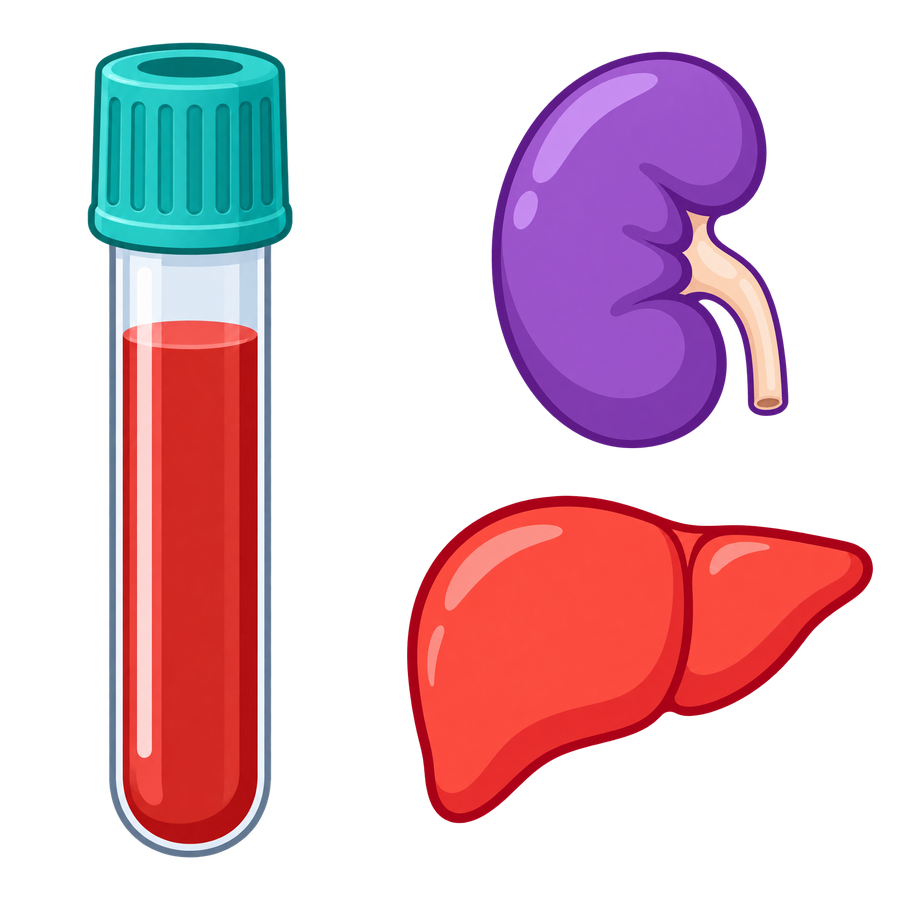
Diagnostics are used to protect normal tissues while treating cancer.
- CBC with differential guides neutropenia, anemia, and thrombocytopenia risk.
- CMP evaluates renal and hepatic clearance before dosing.
- Medication-specific monitoring may include cardiac function, hearing, neuropathy checks, or urinalysis.
Treatment
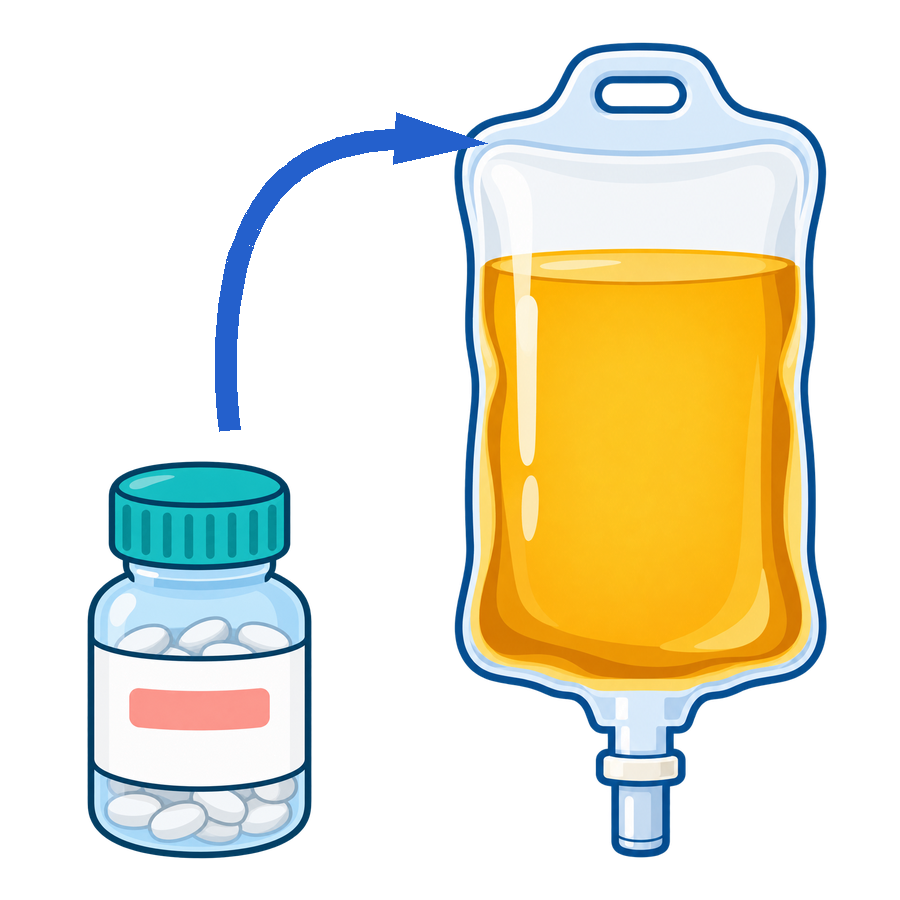
Chemotherapy administration is a high-alert process because dosing is protocol-specific and often based on body surface area, renal function, cycle day, and prior toxicity.
- Administer chemotherapy by verified protocol with correct patient, drug, dose, route, rate, and premedications.
- Use antiemetics before chemotherapy when ordered and continue scheduled therapy for high-risk regimens.
- Extravasation requires stopping the infusion, leaving access in place, aspirating if possible, and following vesicant protocol.
Nursing Priorities
Chemo-rated PPE, correct disposal, spill-kit readiness, vesicant site monitoring, and body-fluid precautions after treatment are safety steps, not optional preferences.
- Use chemotherapy-rated PPE and hazardous-drug disposal per policy.
- Protect caregivers from body fluids after chemotherapy according to institutional time frames.
- Monitor IV site continuously for vesicants and verify blood return when required.
Patient Teaching
Teaching should focus on when to call immediately because complications can progress quickly at home.
- Report fever, chills, bleeding, severe vomiting/diarrhea, mouth sores, shortness of breath, or pain/redness at IV site.
- Use infection prevention, oral care, hydration if allowed, and safe handling of body fluids as instructed.
Complications
Chemotherapy complications reflect damage to rapidly dividing cells and medication-specific organ toxicity.
Key nursing points
- PPE: double chemo gloves, gown, eye protection, N95 if aerosol risk.
- Body fluids hazardous for 48 hr post-dose — double-flush.
- Extravasation: STOP infusion, leave IV in place, aspirate, notify provider.
- Vesicants (doxorubicin, vincristine) cause tissue necrosis if they leak.
- Antiemetics scheduled — give BEFORE chemo and around the clock.
Test yourself

Pick your answer first, then open the rationale. Guessing teaches nothing.
Hazardous-drug handling + protecting the immunocompromised patient.
— 1 —