Oncologic Emergencies
Tumor lysis, SVC syndrome, spinal cord compression, hypercalcemia.
- Lesson 3 of 3
- 5 min read
4 terms
- Tumor lysis
- weakness, nausea, dysrhythmias, tetany, decreased urine, and lab evidence of high potassium/phosphorus/uric acid with low calcium.
- Superior vena cava syndrome
- facial/neck swelling, JVD, dyspnea, cough, headache, and upper-extremity edema.
- Spinal cord compression
- new back pain, weakness, numbness, gait change, urinary retention, or bowel/bladder dysfunction.
- Hypercalcemia
- constipation, polyuria, dehydration, confusion, bone pain, and shortened QT.
Overview
Tumor lysis: ↑ K, ↑ phos, ↑ uric acid, ↓ Ca after chemo.
Overview
Oncologic emergencies are cancer- or treatment-related conditions that can rapidly threaten airway, circulation, neurologic function, renal function, or metabolic stability.

Assessment Findings
Assessment should sort emergencies by threatened system: airway and venous return in SVC syndrome, spinal cord function in cord compression, cardiac rhythm and renal output in tumor lysis, and neurologic/cardiac effects in hypercalcemia.

Diagnostics
Diagnostics confirm the emergency while monitoring immediate physiologic risk.
- Trend electrolytes, uric acid, creatinine, calcium, phosphorus, potassium, ECG, and urine output for tumor lysis.
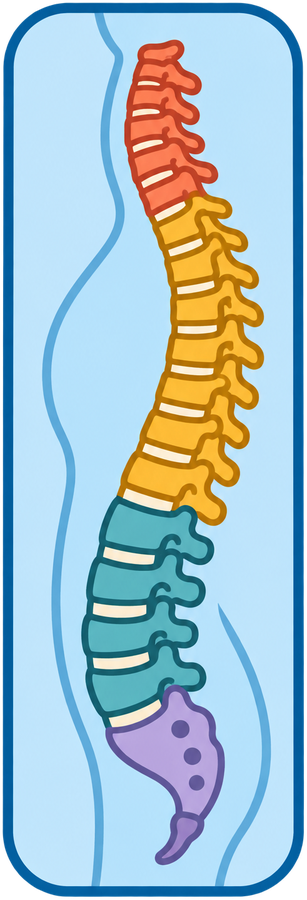
- MRI is priority for suspected spinal cord compression.
- Imaging evaluates SVC obstruction or tumor burden based on symptoms.
Treatment
Treatment is emergency-specific but time-sensitive.
- Tumor lysis treatment may include aggressive hydration, allopurinol or rasburicase, electrolyte management, and dialysis if severe.
- Spinal cord compression requires rapid corticosteroids and urgent radiation or surgery evaluation.
- SVC syndrome care includes HOB elevation, oxygen, steroids or radiation/chemo/stent depending on cause.
- Hypercalcemia is treated with IV fluids, calcitonin, and bisphosphonates as ordered.

Nursing Priorities
Positioning, oxygen, cardiac monitoring, strict I&O, neurologic checks, and rapid provider notification protect function while definitive therapy is arranged.
- Recognize neurologic changes, airway compromise, dysrhythmia symptoms, and renal deterioration early.
- Place patients with SVC symptoms upright and avoid unnecessary upper-extremity venipuncture when venous pressure is severe.
- Maintain strict I&O and cardiac monitoring for tumor lysis or severe electrolyte abnormalities.

Patient Teaching
Patients receiving high-risk chemotherapy should know which symptoms cannot wait for the next appointment.
- Report new back pain, leg weakness, numbness, trouble urinating, facial swelling, severe constipation, confusion, or palpitations.
- Keep hydration and lab-monitoring appointments during high-risk chemotherapy periods.
Complications
These emergencies are tested because early nursing recognition can preserve organ function before the underlying cancer is controlled.
Key nursing points
- Tumor lysis: hydrate aggressively + allopurinol + monitor K and renal function.
- SVC syndrome: elevate HOB, O₂, prepare for radiation/stent.
- Spinal cord compression: high-dose dexamethasone + emergent radiation/surgery.
- Hypercalcemia: IV fluids + calcitonin + bisphosphonate (zoledronic acid).
- DIC may complicate sepsis or APL — monitor PT/PTT/fibrinogen/D-dimer.
Test yourself

Pick your answer first, then open the rationale. Guessing teaches nothing.
Tumor lysis, SVC syndrome, spinal cord compression, hypercalcemia.
— 3 —