Head-to-Toe Assessment Technique
Systematic cephalocaudal assessment approach covering general appearance, vital signs, and each body system from head to toe.
- Lesson 1 of 3
- 8 min read
Overview
Assessment follows a cephalocaudal (head to foot) and proximal to distal approach.
Start with the general survey
A head-to-toe assessment begins the moment the nurse enters the room.
- Assess airway, breathing, circulation, disability, and exposure before moving into routine systems.
- Check patient identity, allergies, pain, fall risk, lines, drains, oxygen, and safety equipment.
- Trend vital signs instead of treating one number in isolation.
- Compare findings with the prior shift or baseline because change is often the key abnormality.

HEENT and neurologic screen
HEENT findings can reveal oxygenation, perfusion, hydration, cranial nerve function, and aspiration risk.
- PERRLA: pupils equal, round, reactive to light and accommodation.
- Assess mucous membranes for dryness, pallor, cyanosis, lesions, and dentition concerns.
- Check facial symmetry, grip strength, arm drift, speech clarity, and orientation.
- Report sudden unequal pupils, facial droop, new confusion, or failed swallow screen promptly.


Chest and cardiovascular focus
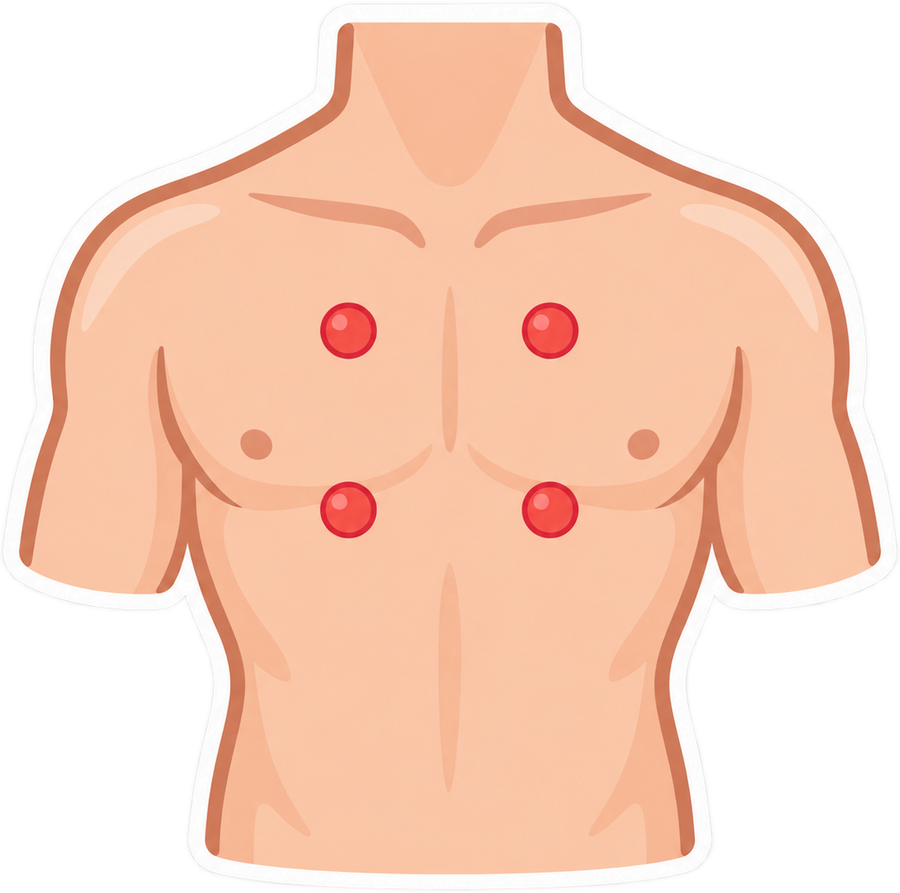
Respiratory and cardiac assessment should connect what is heard to what the patient is doing.
- Inspect work of breathing before auscultating lung fields anteriorly and posteriorly.
- Count apical pulse for a full minute when rhythm is irregular or cardiac meds are due.
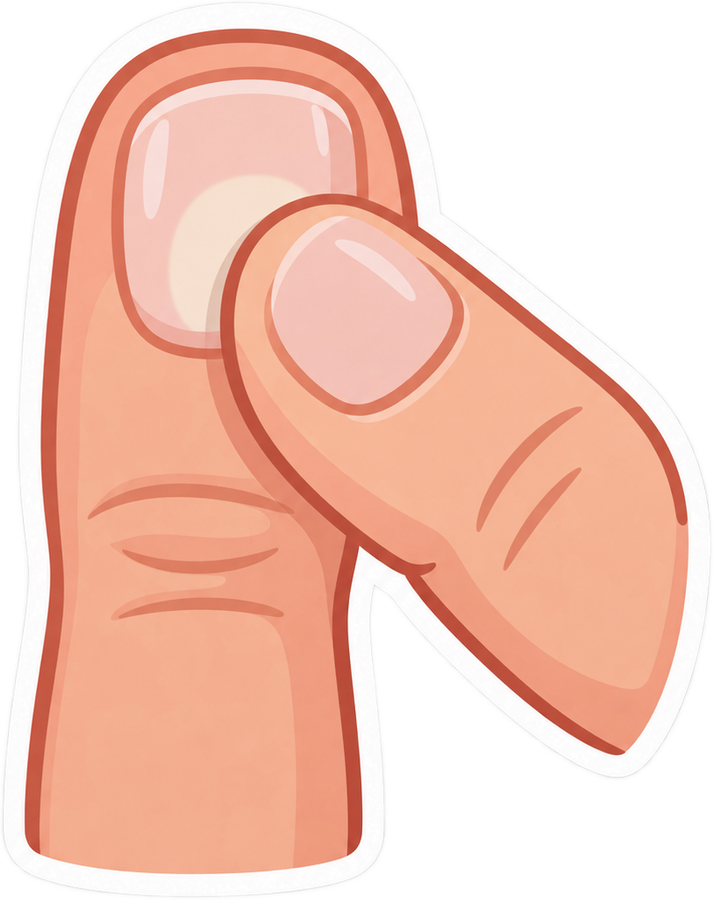
- Assess peripheral pulses, edema, capillary refill, skin temperature, and color bilaterally.
- Use pulse oximetry as one data point; a distressed patient with a normal reading still needs care.
Abdomen and elimination
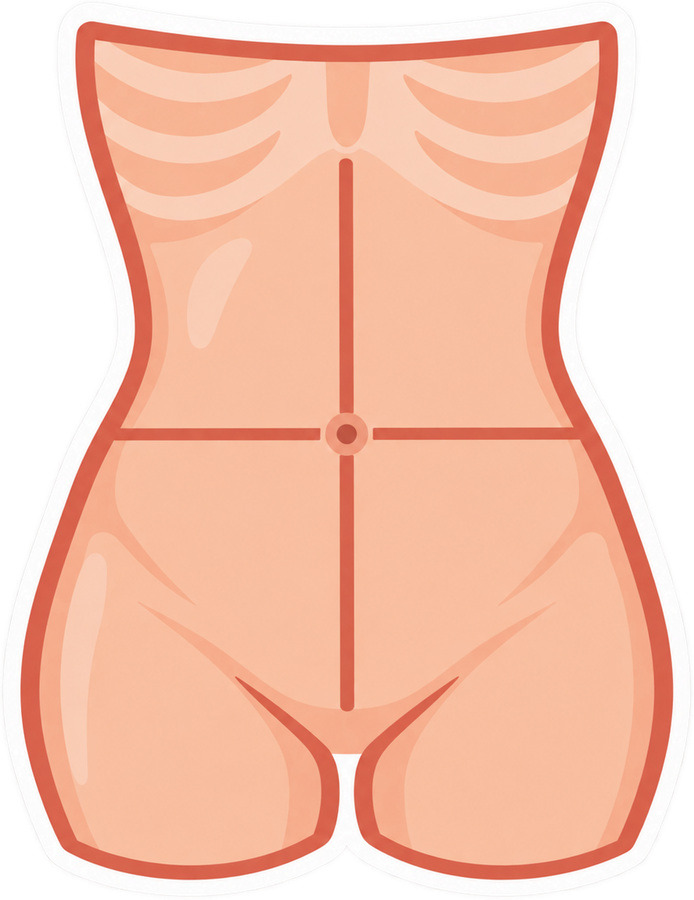
Abdominal assessment is the major sequence exception in a head-to-toe exam.
- Inspect contour, scars, tubes, drains, ostomy, bruising, and movement with respirations.
- Auscultate all four quadrants before percussion or palpation.
- Ask about last bowel movement, urinary output, nausea, appetite, and swallowing concerns.
- Escalate rigid abdomen, rebound tenderness, GI bleeding, or absent bowel sounds with distention.
Skin, mobility, and documentation
The final sweep connects skin integrity, musculoskeletal function, and safety planning.
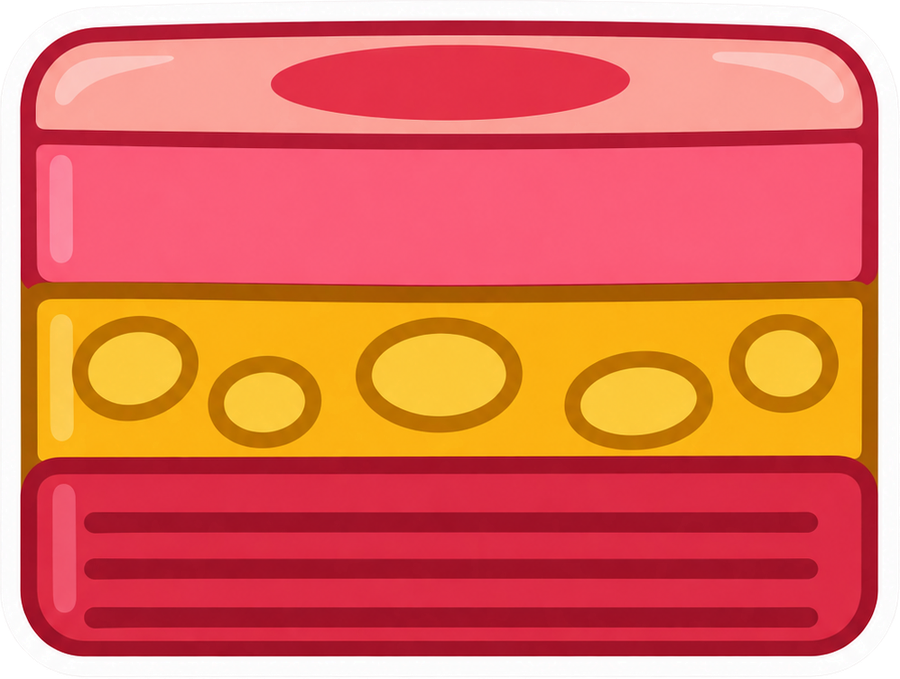
- Assess color, temperature, moisture, turgor, wounds, pressure areas, bruising, and edema.
- Check range of motion, gait, assistive devices, fall precautions, and ability to reposition.
- Describe wounds with location, size, drainage, odor, tissue type, and surrounding skin.
- Document abnormal findings, actions taken, patient response, and who was notified.
Key nursing points
- Begin with general survey: LOC, appearance, distress level, hygiene, affect.
- Vital signs: BP, HR, RR, Temp, SpO2, pain (5th vital sign).
- PERRLA: Pupils Equal, Round, Reactive to Light and Accommodation — normal finding.
- Auscultate before palpating/percussing the abdomen — palpation alters bowel sounds.
- Normal bowel sounds: 5–30 sounds/minute; auscultate all 4 quadrants for at least 1 minute each.
- Assess skin: turgor, color, temperature, moisture, edema, lesions, capillary refill (< 2 seconds normal).
- Document and report any change from previous assessment or unexpected findings.
Test yourself

Pick your answer first, then open the rationale. Guessing teaches nothing.
Systematic cephalocaudal assessment approach covering general appearance, vital signs, and each body system from head to toe.
— 1 —