CBC & BMP Reference
High-yield complete blood count and basic metabolic panel values for infection, oxygenation, clotting, electrolytes, renal function, and glucose.
- Lesson 1 of 4
- 6 min read
Overview
Trend values with the patient's baseline, symptoms, medications, IV fluids, and renal function.
CBC Basics
Always compare the value to symptoms: shortness of breath with low hemoglobin, fever with abnormal WBC, or bruising with low platelets.

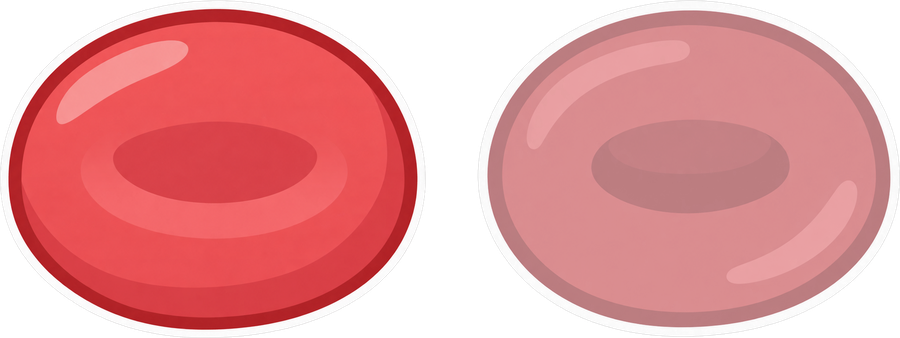

Common CBC Values
| Test | Reference Range | Nursing Meaning |
|---|---|---|
| WBC | 4,500-11,000/mcL | High may suggest infection/inflammation; low increases infection risk. |
| RBC | Men 4.5-5.5 million/mcL; women 4.0-5.0 million/mcL | Low RBC often tracks with anemia or blood loss. |
| Hemoglobin | Men 13.5-17.5 g/dL; women 12.0-15.5 g/dL | Low Hgb reduces oxygen delivery; assess fatigue, dyspnea, bleeding. |
| Hematocrit | Men 38.8-50.0%; women 34.9-44.5% | Low can reflect anemia or bleeding; high can reflect dehydration/polycythemia. |
| Platelets | 150,000-450,000/mcL | Low platelets require bleeding precautions; very high values may increase clot risk. |
BMP Basics
The BMP shows electrolyte and renal trends that affect cardiac rhythm, neurologic status, fluid balance, and medication safety.

Common BMP Values
| Test | Reference Range | Nursing Meaning |
|---|---|---|
| Sodium | 135-145 mEq/L | Abnormal values affect neurologic status and seizure risk. |
| Potassium | 3.5-5.0 mEq/L | Abnormal values can cause life-threatening dysrhythmias. |
| Chloride | 96-106 mEq/L | Trends with acid-base and fluid status. |
| CO2 | 22-30 mEq/L | Approximates bicarbonate on chemistry panels; helps screen acid-base trends. |
| BUN | 7-20 mg/dL | Rises with dehydration, renal impairment, GI bleeding, or high protein load. |
| Creatinine | 0.6-1.3 mg/dL | Key renal-function marker for medication dosing and contrast safety. |
| Glucose | 70-99 mg/dL fasting | Low requires rapid action; high may indicate diabetes, stress response, DKA/HHS risk. |
Nursing Priorities
Assess the patient first, then decide whether the value suggests bleeding, infection risk, renal dosing danger, dysrhythmia risk, oxygen-delivery failure, or a specimen problem such as hemolysis.
- Assess the patient before reacting to a number: airway, breathing, circulation, mental status, rhythm, bleeding, and symptoms.
- Trend values over time and compare to baseline, IV fluids, diuretics, anticoagulants, renal function, and active bleeding.
- Use telemetry and rapid reporting for severe potassium abnormalities or symptomatic electrolyte changes.
- Start bleeding or neutropenic precautions when CBC trends indicate high risk.

Patient Teaching
Teaching should connect the lab to the behavior that keeps it stable.
- Keep follow-up lab appointments for diuretics, ACE inhibitors/ARBs, anticoagulants, kidney disease, anemia, or chemotherapy.
- Report palpitations, severe weakness, confusion, black stools, unusual bruising, fever, or shortness of breath.
- Do not add potassium supplements or salt substitutes unless specifically prescribed.
Key nursing points
- CBC: WBC 4,500-11,000/mcL; platelets 150,000-450,000/mcL.
- Hgb: men 13.5-17.5 g/dL, women 12.0-15.5 g/dL; Hct: men 38.8-50.0%, women 34.9-44.5%.
- BMP electrolytes: sodium 135-145, potassium 3.5-5.0, chloride 96-106, CO2 22-30 mEq/L.
- Renal/metabolic: BUN 7-20 mg/dL, creatinine 0.6-1.3 mg/dL, fasting glucose about 70-99 mg/dL.
- Memory cues: NACL for BMP electrolytes; RBC-WBC-PLT for the CBC components NCLEX tests most often.
Test yourself

Pick your answer first, then open the rationale. Guessing teaches nothing.
High-yield complete blood count and basic metabolic panel values for infection, oxygenation, clotting, electrolytes, renal function, and glucose.
— 1 —