Pediatric Safety Promotion
Home, car, water, playground, bike, online — age-appropriate prevention.
- Lesson 2 of 3
- 5 min read
5 terms
- Infants
- safe sleep, fall prevention, choking prevention, burn prevention, and rear-facing car seat.
- Toddlers
- drowning, poisoning, burns, stairs, windows, and street safety.
- Preschoolers
- pedestrian injury, playground injury, firearm access, and look-alike medication ingestion.
- School-age children
- bike helmets, sports safety, water safety, and online boundaries.
- Adolescents
- seat belts, impaired driving, firearms, substance use, suicide risk, and sports concussion.
Overview
Anticipatory guidance saves lives.
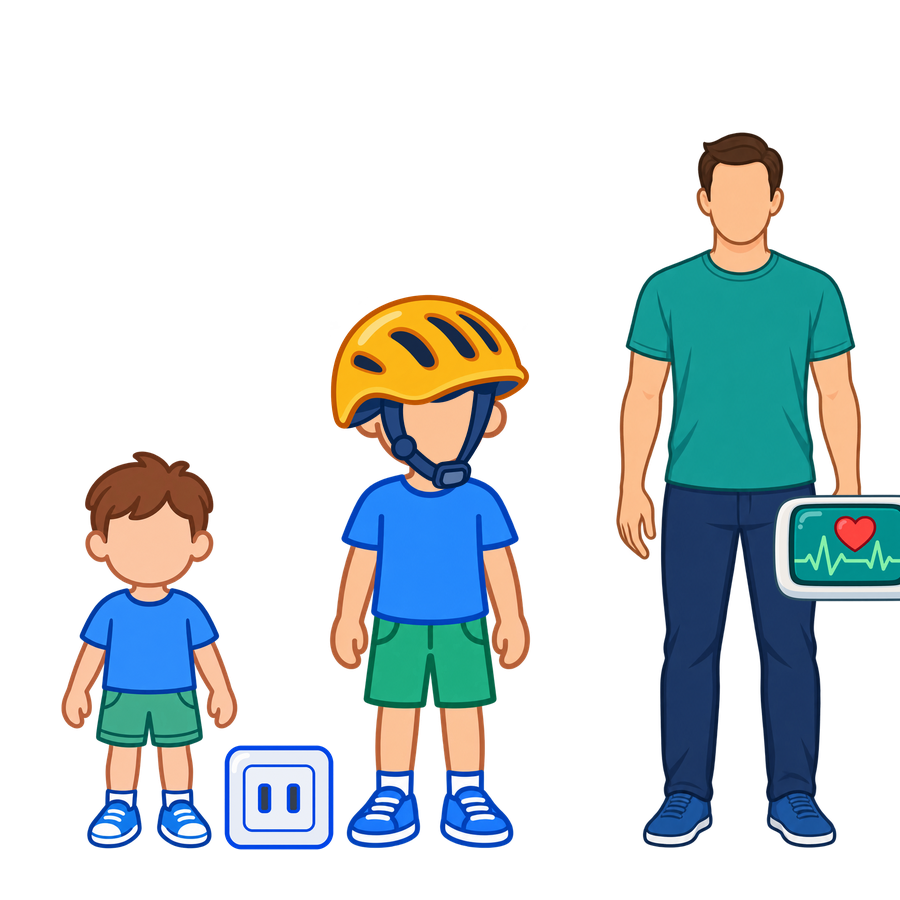
Match Safety To Development
Safety teaching is most effective when it anticipates the next skill the child will gain.
Motor Vehicle Safety
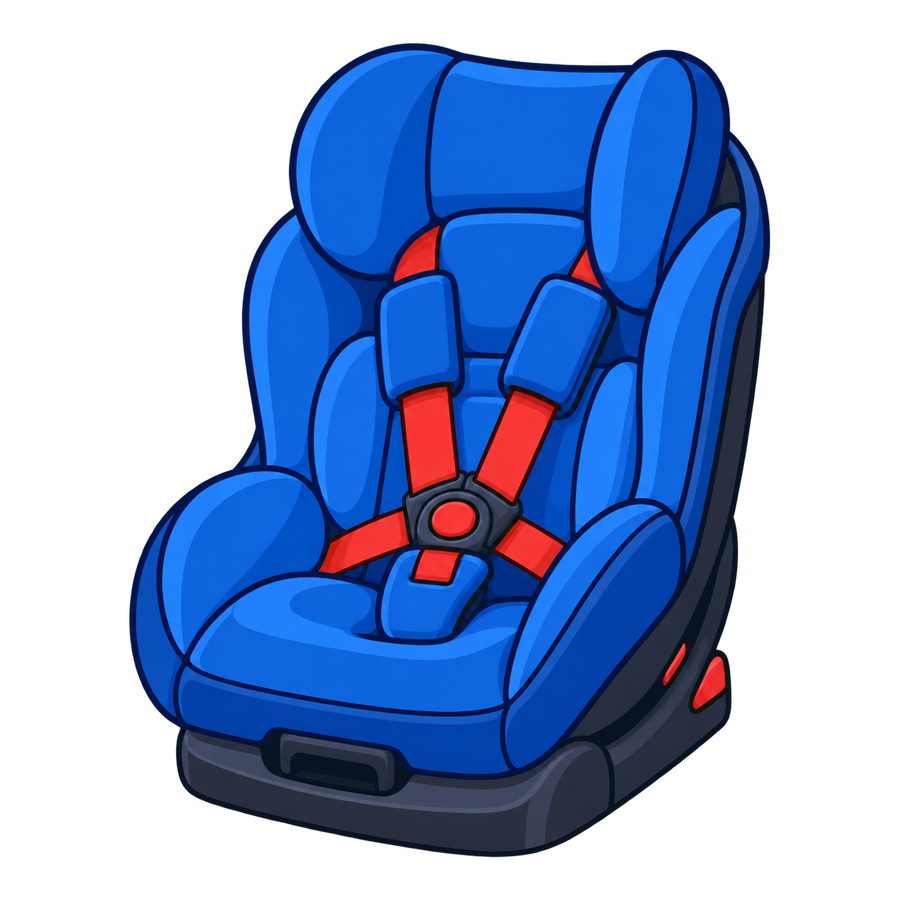
Key pointThe safest car seat is the one that fits the child, fits the vehicle, and is used correctly every ride.
- Use rear-facing as long as allowed by the seat's height and weight limits.
- Move to forward-facing harness, then booster, then seat belt only when the child meets fit criteria.
- Children ride in the back seat until at least age 13.
- Never place a rear-facing seat in front of an active passenger air bag.
- Never leave a child alone in a car, even briefly.
Home And Water Priorities
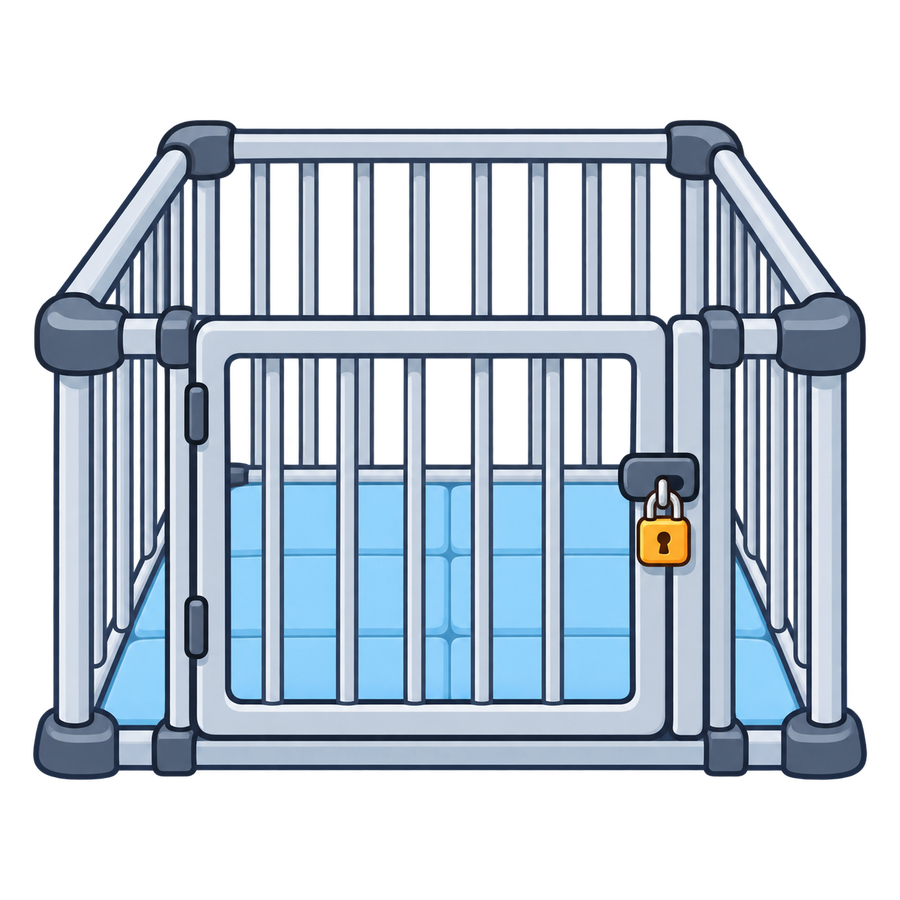
- Drowning can occur silently and quickly in pools, tubs, toilets, buckets, and natural water.
- Use four-sided pool fencing with self-closing, self-latching gates when applicable.
- Lock medications, cannabis products, cleaners, button batteries, magnets, and firearms out of sight and reach.
- Set water heater temperature to a safe level and turn pot handles inward.
- Install working smoke and carbon monoxide alarms and practice an escape plan.
NCLEX Traps
NCLEX tipSupervision near water means close, focused adult attention, not listening from another room.
- Do not rely on floaties or swim lessons as drowning prevention for young children.
- Do not tell caregivers to induce vomiting after poisoning; contact Poison Control or emergency services.
- Do not use adult seat belts alone before proper fit: lap belt low on hips and shoulder belt across chest.
- Do not ignore adolescent safety because they seem independent; MVC and suicide risks are high-yield.
Key nursing points
- Car: rear-facing until ≥2 yr or per seat limit; back seat until 13 yr.
- Water: never leave child unattended near ANY water — including buckets and tubs.
- Home: outlet covers, gates, lock meds and chemicals high and out of reach.
- Bike helmets every ride. Smoke detectors every level. Family fire escape plan.
- Never leave a child alone in a car — heatstroke fatal within minutes.
EXAM TRAPCommon exam trapCar seat forward-facing is determined by the SEAT'S weight/height limit — not just age 2. A child who meets the rear-facing limit stays rear-facing even past age 2. Rear-facing provides the best crash protection because forces are distributed across the whole back.
Test yourself

Pick your answer first, then open the rationale. Guessing teaches nothing.
In one line
Home, car, water, playground, bike, online — age-appropriate prevention.
— 2 —