Documentation & Charting Standards
If it wasn't charted, it wasn't done — documentation standards protect patients, nurses, and facilities, and are legally binding.
- Lesson 5 of 7
- 5 min read
Overview
Nursing documentation is a legal record of patient care.
Legal and Clinical Purpose
Documentation is the legal record of care and the communication tool for the healthcare team.
- Chart as soon as possible after care.
- Use objective language and patient quotes when relevant.
- Include time, date, assessment data, intervention, response, and notifications.
- Do not chart care before it is done.

Objective Charting
Key pointChart behaviors and findings, not labels or blame.
Objective documentation avoids opinions and unsupported conclusions.
- Use measurable findings: wound size, drainage amount, vital signs, intake/output, pain score, gait, level of assistance.
- Use quotes for relevant patient statements, especially refusals, threats, pain descriptions, or consent concerns.
- Avoid blaming language, arguments with coworkers, incident-report references, or speculation.
- Document teaching content and how the patient demonstrated understanding or need for reinforcement.
Corrections, Late Entries, and Omissions
Documentation must preserve the original record.
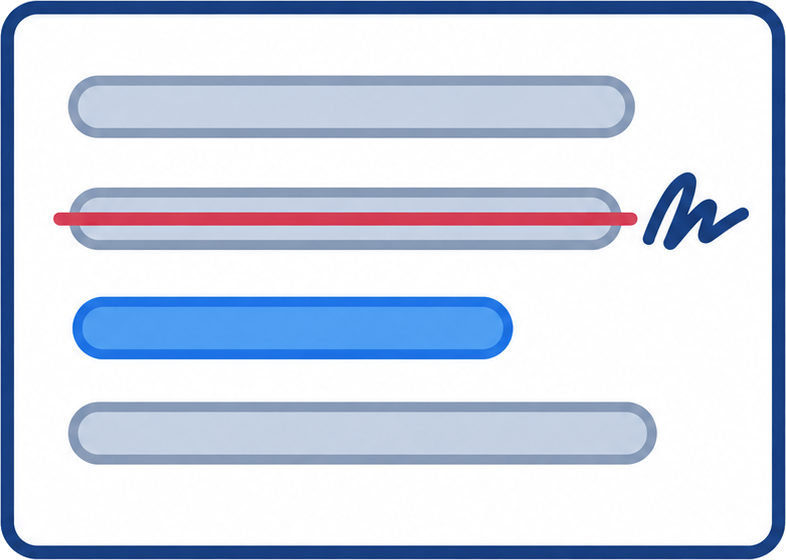
- Paper error: draw one line through the error, label per policy, initial, date, and enter the correct information.
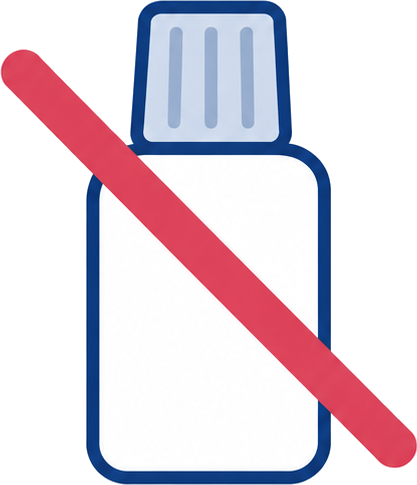
- Never use whiteout, erase, scribble over, backdate, or delete to hide an entry.
- Late entry: label it as late, use the current date/time, and state when the event occurred.
- Electronic records require the user's own login; never share passwords or chart under another person.
Incident Reports
NCLEX tipDo not document 'incident report filed' in the patient chart.
Incident reports are internal risk-management tools.
- Complete incident reports for falls, medication errors, equipment failures, elopement, injury, or unexpected events per policy.
- Assess and treat the patient first, then notify the provider and charge nurse as required.
- Chart what happened, what you assessed, what you did, who was notified, and how the patient responded.
- NCLEX trap: do not skip factual charting because an incident report was completed.
Key nursing points
- Never use whiteout — single line through error with 'error,' initials, and date.
- Incident report: NOT in the chart; do NOT document 'incident report filed' in the patient record.
- Late entry: label it, record current date/time, note when event occurred.
- Document behaviors objectively — never subjective opinions about patient character.
EXAM TRAPCommon exam trapA nurse makes a medication error and says to document it in both the chart AND the incident report. WRONG — the incident report is NOT charted in the patient record. Chart the facts about the patient's response.
Test yourself

Pick your answer first, then open the rationale. Guessing teaches nothing.
In one line
If it wasn't charted, it wasn't done — documentation standards protect patients, nurses, and facilities, and are legally binding.
— 5 —