Dosage Formulas & IV Drip Rates
Desired/Have × Quantity. mL/hr = total volume ÷ hours. gtt/min = (mL × drop factor) ÷ min.
- Lesson 1 of 7
- 6 min read
Overview
PO/IM: (Desired ÷ Have) × Quantity. IV infusion: mL/hr = total volume ÷ hours.
Formula 1: Dose Calculation (PO/IM/SubQ)
The formula only works safely after converting mcg, mg, g, tablets, or mL so the desired dose can be compared directly with what is on hand.
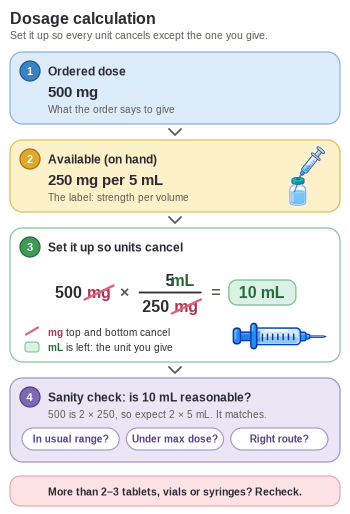
- Formula: (Desired dose ÷ Have on hand) × Quantity = Amount to give.
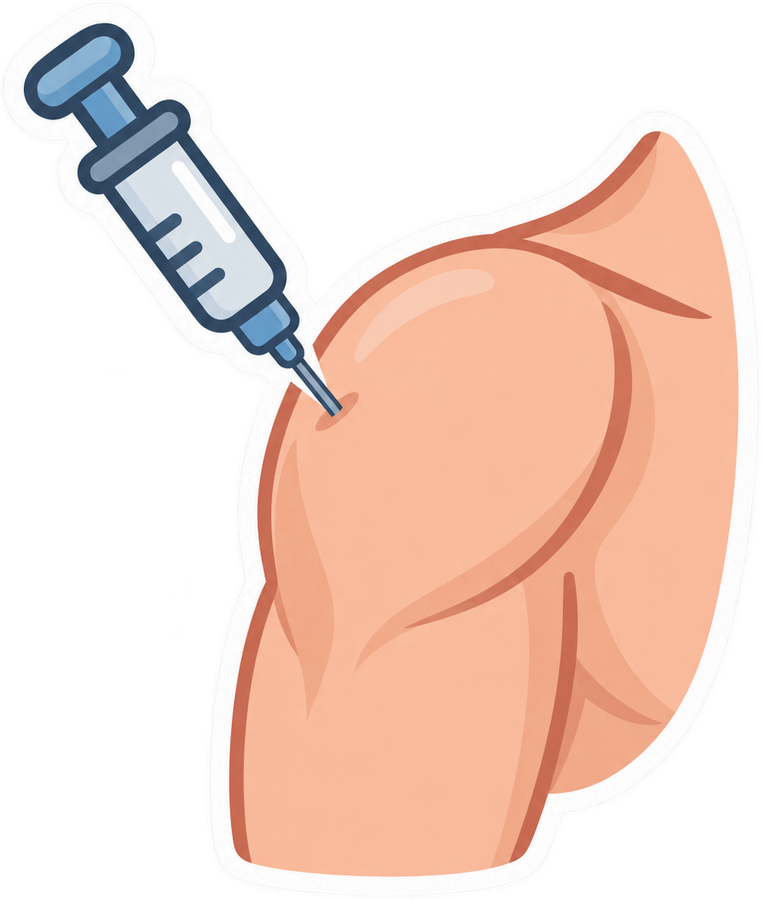
- Example: Ordered ampicillin 250 mg. Available: 500 mg/5 mL. → (250 ÷ 500) × 5 = 2.5 mL.
- Always check your answer: the amount to give should be a reasonable volume (0.5–3 mL for IM; 1–30 mL for PO).
- Units must match before calculating — convert mcg to mg or mg to g as needed.

Formula 2: IV Infusion Rate (mL/hr)
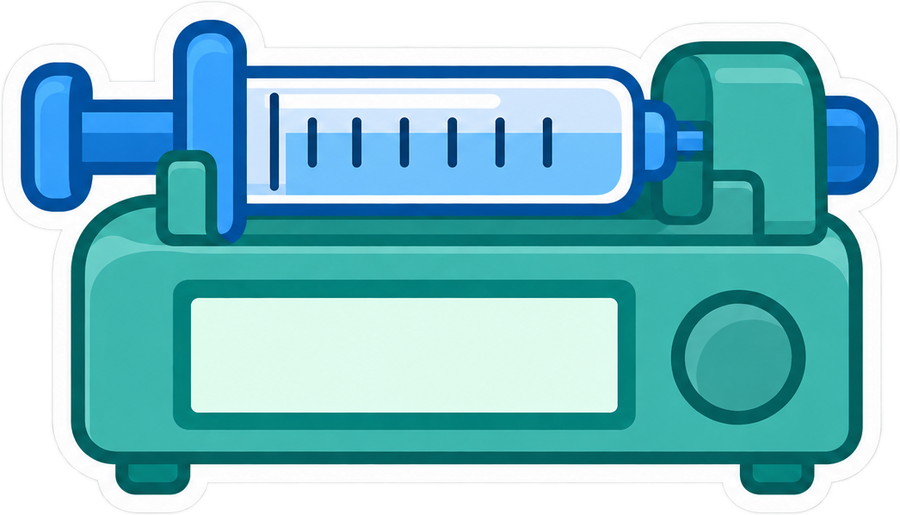
Pump rates answer one question: how many milliliters should enter each hour?
- Formula: mL/hr = Total volume (mL) ÷ Total hours.
- Example: Infuse 1,000 mL NS over 8 hours → 1,000 ÷ 8 = 125 mL/hr.
- For weight-based infusions: dose (mcg/kg/min) × weight (kg) × 60 ÷ concentration (mcg/mL) = mL/hr.
- Set the infusion pump to the calculated rate. Most clinical settings use pumps rather than gravity drip.
Formula 3: Gravity Drip Rate (gtt/min)
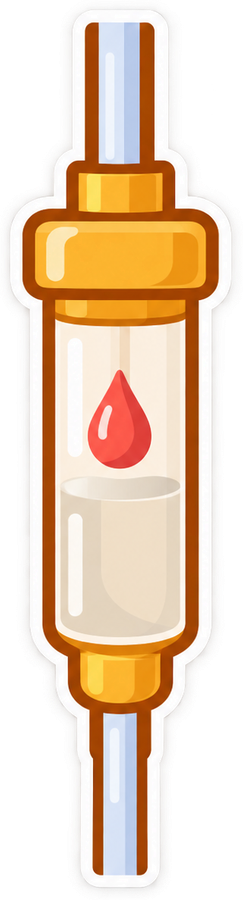
Gravity rates must end in whole drops per minute because a nurse can count drops, not decimals of drops.
- Formula: gtt/min = (Volume to infuse in mL × Drop factor) ÷ Time in minutes.
- Common drop factors: standard macrodrip = 10, 15, or 20 gtt/mL. Microdrip (pediatric) = 60 gtt/mL.
- Example: 500 mL over 4 hr (240 min), 15 gtt/mL tubing → (500 × 15) ÷ 240 = 31 gtt/min.
- Round gtt/min to the nearest whole number. A 'full drop' is the unit you can control.
Key Conversions to Memorize
Conversions are medication safety steps, not trivia.
- Weight: 1 kg = 2.2 lb; 1 lb = 0.454 kg.
- Volume: 1 L = 1,000 mL; 1 tsp = 5 mL; 1 tbsp = 15 mL; 1 oz = 30 mL.
- Mass: 1 g = 1,000 mg; 1 mg = 1,000 mcg; 1 grain = 60 mg.
- Temperature: °C = (°F − 32) × 5/9; 37°C = 98.6°F; 38°C = 100.4°F (fever threshold).
Key nursing points
- Desired ÷ Have × Quantity = dose to give.
- mL/hr = total volume ÷ total hours (pump rate).
- gtt/min = (mL ordered × drop factor) ÷ minutes.
- Pediatric safe dose: mg/kg/day × weight ÷ doses per day.
- 1 kg = 2.2 lb · 1 L = 1,000 mL · 1 g = 1,000 mg · 1 tsp = 5 mL · 1 tbsp = 15 mL.
EXAM TRAPCommon exam trapAlways convert to the same units BEFORE plugging into a formula — mcg vs mg vs g is a common trap. For gravity drips, the answer must be a whole number of drops. If your answer seems unreasonably large or small, check units and arithmetic before giving the medication.
Test yourself

Pick your answer first, then open the rationale. Guessing teaches nothing.
In one line
Desired/Have × Quantity. mL/hr = total volume ÷ hours. gtt/min = (mL × drop factor) ÷ min.
— 1 —