Gout
Gout is inflammatory arthritis caused by monosodium urate crystal deposition, classically producing sudden severe pain in the big toe.
- Lesson 5 of 6
- 7 min read
Side by side
Acute vs Chronic Gout
- Alcohol, dehydration, high-purine meals, illness, surgery, trauma, or medication changes.
- Long-term hyperuricemia with recurrent attacks and persistent crystal deposition.
- Often first MTP joint of the big toe; also ankle, knee, wrist, or elbow.
- Tophi can form in ears, fingers, toes, olecranon bursa, tendons, and chronically damaged joints.
- Sudden severe red, hot, swollen, exquisitely tender joint, often overnight.
- Firm tophi, chronic joint deformity, reduced mobility, recurrent inflammation.
- Serum uric acid may be elevated but can be normal during a flare; joint crystals confirm diagnosis.
- Persistent hyperuricemia is common; urate-lowering therapy targets sustained reduction.
Overview
Risk increases with kidney disease, diuretics, obesity, alcohol, purine-rich diet, hypertension, diabetes, heart failure, and family history.
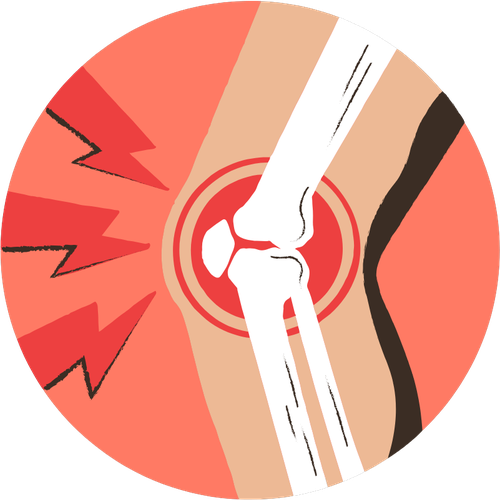
Pathophysiology
Purine breakdown produces uric acid. Overproduction or underexcretion raises urate levels, and crystals deposit in joints, triggering intense neutrophil-driven inflammation.
Signs & Symptoms
The first MTP joint is classic, but ankles, knees, wrists, elbows, and fingers can be involved.
- Sudden severe joint pain, often overnight, with redness, swelling, warmth, stiffness, and extreme tenderness.
- The joint may be so tender that contact with a sheet is intolerable.
- Between attacks, the patient may be symptom-free.
Diagnosis
Joint aspiration is definitive because it identifies monosodium urate crystals and can rule out infection.
- Joint aspiration showing needle-shaped negatively birefringent monosodium urate crystals is definitive.
- Serum uric acid may support diagnosis but can be normal during an acute flare.
- Assess renal function and medication triggers such as thiazide or loop diuretics.
Treatment
Acute flares need anti-inflammatory therapy to stop joint inflammation, while urate-lowering drugs prevent future crystal deposition.
- Acute flare: NSAID, colchicine, or corticosteroid depending on renal/GI/cardiovascular risks.
- Chronic prevention: allopurinol or febuxostat may lower uric acid; prophylaxis may be needed when starting.
- Avoid aspirin for gout unless prescribed for cardiovascular protection because it can affect uric acid handling.
- Treat comorbid hypertension, kidney disease, diabetes, and obesity.
Nursing Priorities
Priorities are pain control, joint protection, and ruling out infection or medication toxicity.
- Assess pain, affected joint appearance, fever, renal function, hydration, and medication history.
- Differentiate gout flare from septic arthritis when fever or systemic illness is present.
- Administer anti-inflammatory medications early as ordered and protect the painful joint.
- Monitor for colchicine toxicity: severe diarrhea, vomiting, weakness, or blood dyscrasias.
Patient Teaching
Teaching focuses on recurrence prevention and realistic expectations.
- Limit alcohol, especially beer, and reduce organ meats, shellfish, red meat, and high-fructose drinks.
- Drink fluids unless restricted and follow weight-management guidance.
- Take allopurinol consistently for prevention; it does not treat acute pain quickly.
- Report rash with allopurinol immediately due to rare severe hypersensitivity.
Allopurinol Teaching
Rash must be reported immediately because rare hypersensitivity can be life-threatening.
- Start allopurinol after the acute attack resolves unless the provider specifically continues an existing regimen.
- Starting urate-lowering therapy during an acute attack can worsen or prolong the flare.
- Stay well hydrated unless fluid restriction is prescribed.
- Limit purine-rich foods such as organ meats, shellfish, red meat, and alcohol.
Complications
Uncontrolled gout becomes a chronic crystal deposition disease.
- Recurrent flares, tophi, joint damage, kidney stones, chronic kidney disease progression, and reduced mobility.
- Misdiagnosed septic arthritis can cause rapid joint destruction, so infection symptoms require urgent evaluation.
Acute vs Chronic Gout
| Acute Gout | Tophaceous (Chronic) Gout | |
|---|---|---|
| Trigger | Alcohol, dehydration, high-purine meals, illness, surgery, trauma, or medication changes. | Long-term hyperuricemia with recurrent attacks and persistent crystal deposition. |
| Location | Often first MTP joint of the big toe; also ankle, knee, wrist, or elbow. | Tophi can form in ears, fingers, toes, olecranon bursa, tendons, and chronically damaged joints. |
| Signs | Sudden severe red, hot, swollen, exquisitely tender joint, often overnight. | Firm tophi, chronic joint deformity, reduced mobility, recurrent inflammation. |
| Lab (uric acid) | Serum uric acid may be elevated but can be normal during a flare; joint crystals confirm diagnosis. | Persistent hyperuricemia is common; urate-lowering therapy targets sustained reduction. |
| Treatment | NSAIDs, colchicine, or corticosteroids as ordered; protect and rest the joint. | Allopurinol or febuxostat for prevention after acute flare control, plus lifestyle and hydration teaching. |
| Duration | Abrupt flare lasting days to weeks if untreated. | Chronic, recurrent course with progressive deposits when urate is uncontrolled. |
Key nursing points
- Classic site: first metatarsophalangeal joint of the big toe, but ankles, knees, wrists, elbows, and fingers can be affected.
- Acute flare: NSAIDs, colchicine, or corticosteroids as ordered.
- Allopurinol is for chronic urate lowering; do not start it during an acute flare unless already prescribed and directed.
- Colchicine works best early but commonly causes GI upset and requires renal caution.
- Avoid high-purine foods: organ meats, red meat, shellfish, beer, and high-fructose drinks.
- Hydration and weight management reduce recurrence risk.
Test yourself

Pick your answer first, then open the rationale. Guessing teaches nothing.
Gout is inflammatory arthritis caused by monosodium urate crystal deposition, classically producing sudden severe pain in the big toe.
— 5 —