Hypocalcemia
Low serum calcium (< 8.5 mg/dL) causes neuromuscular excitability including tetany, and is most commonly caused by hypoparathyroidism and vitamin D deficiency.
- Lesson 6 of 7
- 7 min read
Overview
Hypocalcemia (Ca2+ < 8.5 mg/dL) results in neuromuscular hyperexcitability. Trousseau's and Chvostek's signs are the classic clinical findings. Post-thyroid/parathyroid surgery is a high-risk scenario nurses must anticipate.
Pathophysiology
Hypocalcemia is low calcium, especially low ionized calcium.
- Common causes: hypoparathyroidism, thyroid/parathyroid surgery, vitamin D deficiency, chronic kidney disease, pancreatitis, massive transfusion, alkalosis, and hypomagnesemia.
- Alkalosis can lower ionized calcium even if total calcium looks less abnormal.
- Low magnesium can impair parathyroid hormone function and make hypocalcemia refractory.

Assessment Cues
Hypocalcemia causes neuromuscular irritability.
- Chvostek sign: facial twitch when the facial nerve is tapped.
- Trousseau sign: carpal spasm after blood pressure cuff inflation.
- Cardiac effects can include prolonged QT and dysrhythmia risk.
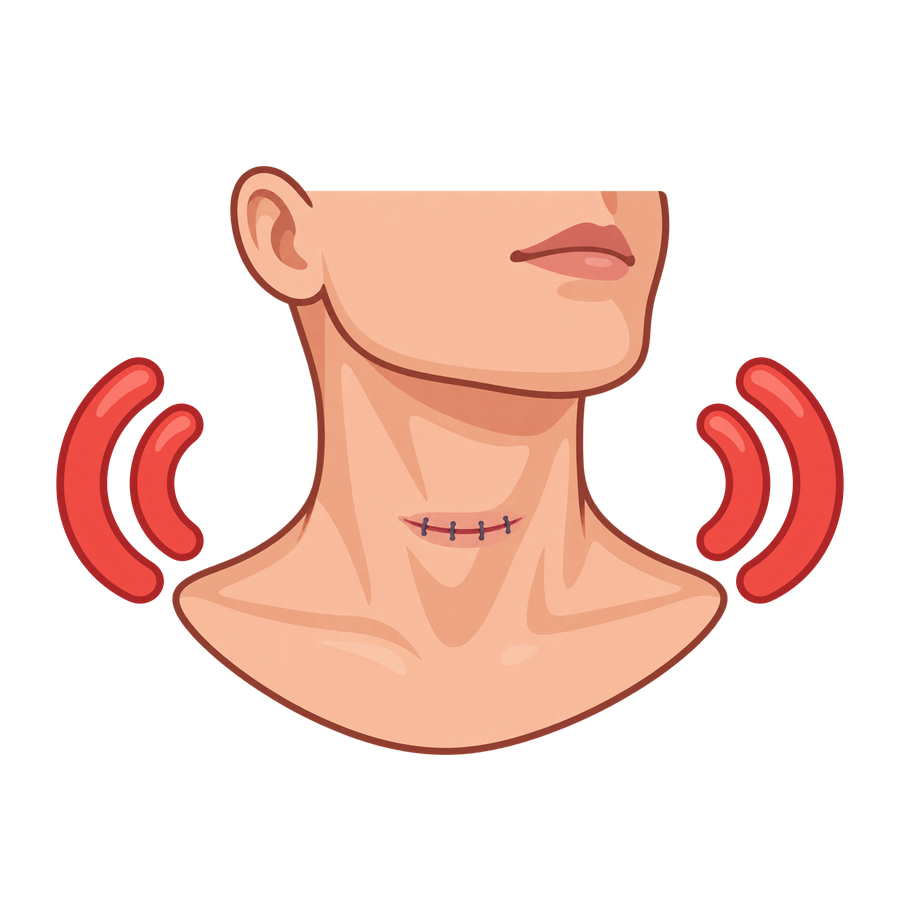
- Assess airway, voice changes, stridor, swallowing, seizure activity, and surgical neck swelling when post-op.
Priority Interventions
Airway and rhythm are the priorities.
- Use seizure precautions for significant neuromuscular irritability.
- Keep emergency airway support and ordered calcium therapy available for high-risk post-neck surgery patients.
- Monitor ECG during IV calcium therapy when ordered or when symptoms are severe.
- Check magnesium and phosphate because both affect calcium balance.
- Evaluate for transfusion-related citrate binding if symptoms occur during massive transfusion.


Teaching and NCLEX Traps
Patients should understand that numbness, tingling, spasms, or throat tightness after thyroid/parathyroid surgery needs urgent reporting.
- Teach calcium and vitamin D use exactly as prescribed.
- Teach patients to report muscle cramps, tingling, twitching, seizures, or breathing trouble.
- NCLEX trap: laryngospasm is an airway emergency, not a routine electrolyte symptom.
- NCLEX trap: always consider magnesium when hypocalcemia does not correct as expected.
Key nursing points
- Normal total Ca2+: 9.0–10.5 mg/dL. Hypocalcemia: < 8.5. Ionized (active) normal: 4.5–5.1 mg/dL.
- Causes: hypoparathyroidism, post-thyroidectomy/parathyroidectomy, vitamin D deficiency, CKD, hypomagnesemia, alkalosis.
- Chvostek's sign: tap facial nerve → ipsilateral facial twitching.
- Trousseau's sign: inflate BP cuff above systolic for 3 minutes → carpal spasm (more specific).
- Symptoms: perioral numbness, tingling, muscle cramps, laryngospasm, seizures, prolonged QT.
- Treatment: mild → oral calcium + vitamin D; severe → IV calcium gluconate (slow IV push).
- Alkalosis worsens hypocalcemia symptoms (decreases ionized Ca2+) even with normal total calcium.
Test yourself

Pick your answer first, then open the rationale. Guessing teaches nothing.
Low serum calcium (< 8.5 mg/dL) causes neuromuscular excitability including tetany, and is most commonly caused by hypoparathyroidism and vitamin D deficiency.
— 6 —