Module · 7 lessons
0 of 7 lessons done · 0% · 43 cards

Electrolyte Imbalances for the NCLEX: Sodium, potassium, calcium, magnesium — causes, signs, treatment. This module has 7 notebook lessons (about 45 minutes of reading), 21 practice questions with rationales inside the lessons, 43 flashcards and 20 NCLEX-style questions in the quiz bank.
Start here · Lesson 1 of 7
6 min read
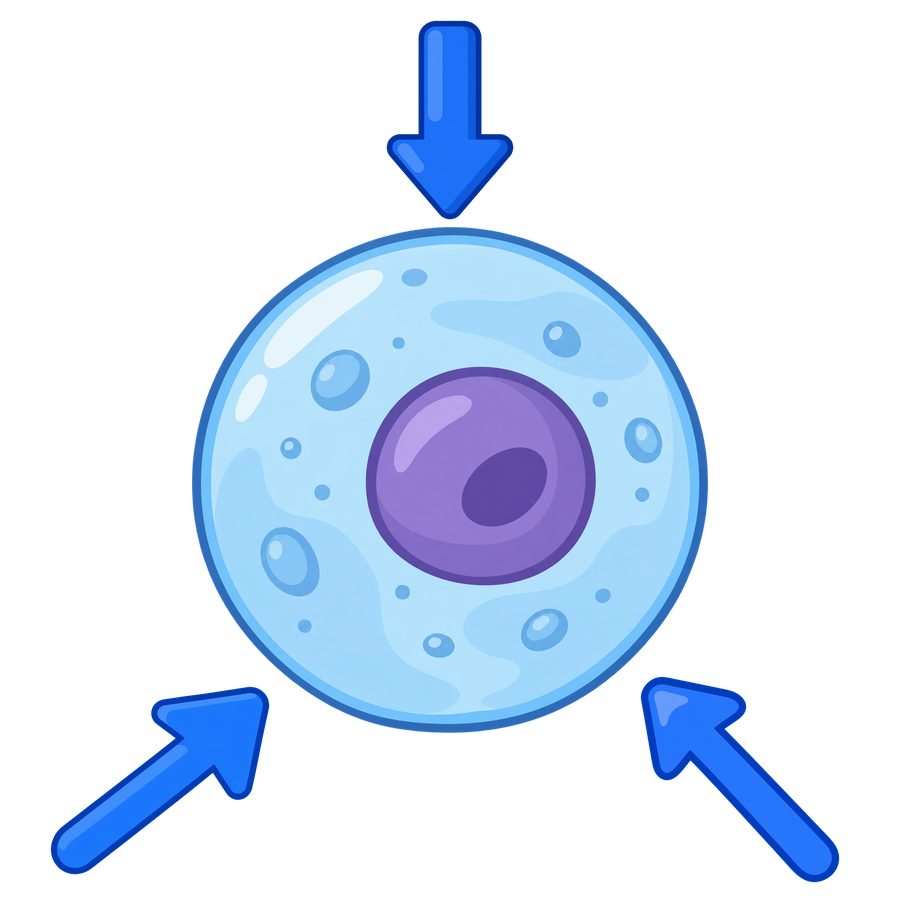
Sodium: Hyper / Hyponatremia
Normal Na+ 135–145 mEq/L. Tracks water balance; either extreme is a neuro emergency.

Potassium: Hyper / Hypokalemia
Normal K+ 3.5–5.0 mEq/L. Both extremes are CARDIAC emergencies.
Calcium: Hyper / Hypocalcemia
Normal Ca²⁺ 9.0–10.5 mg/dL. Bones, stones, groans, psychiatric overtones.

Magnesium: Hyper / Hypomagnesemia
Normal Mg²⁺ 1.5–2.5 mEq/L. Tracks closely with potassium and calcium.
Hypokalemia
Low serum potassium (< 3.5 mEq/L) causes muscle weakness, dangerous cardiac dysrhythmias, and is commonly caused by diuretics and GI losses.

Hypocalcemia
Low serum calcium (< 8.5 mg/dL) causes neuromuscular excitability including tetany, and is most commonly caused by hypoparathyroidism and vitamin D deficiency.
Hypernatremia
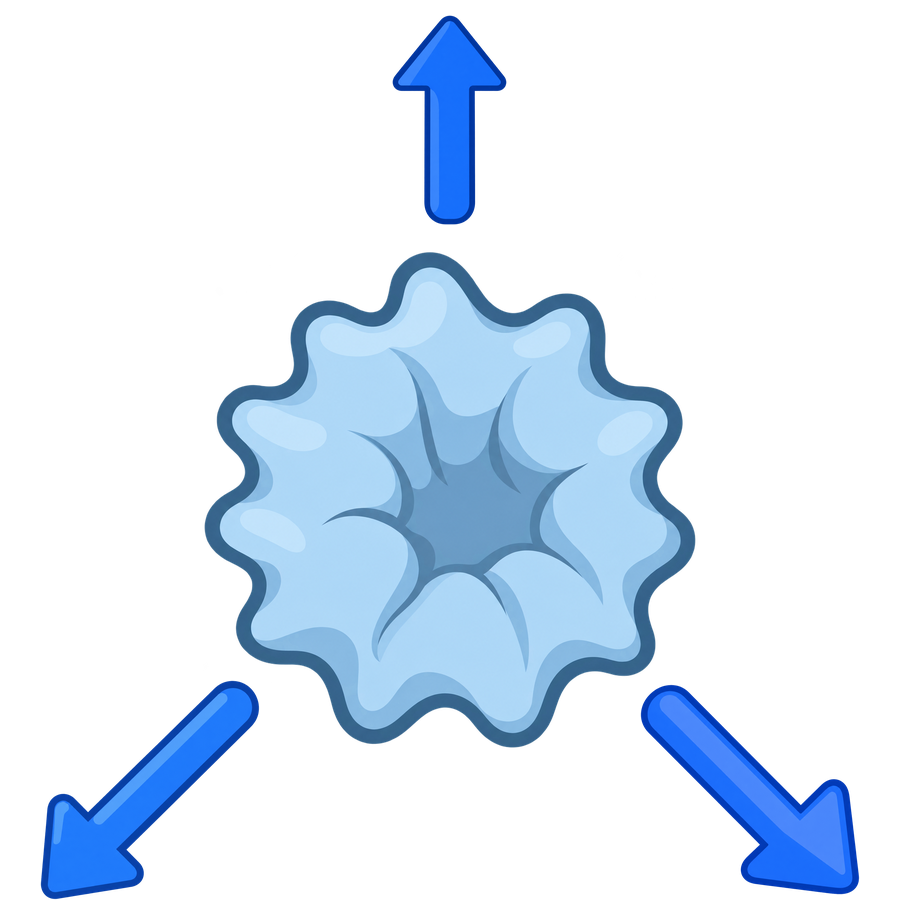
High serum sodium (> 145 mEq/L) causes cellular dehydration and neurological symptoms, most often from water loss or excessive sodium intake.
Read the lessons, then test yourself.

This module's cards, on spaced repetition.

NCLEX-style questions from this module, with rationales.
12 of the module's 43 cards. Cover the answer and test yourself.