Intussusception
Intussusception — telescoping of bowel — causes episodic colicky pain, currant jelly stool, and a sausage-shaped mass; treated with air enema.
- Lesson 9 of 17
- 5 min read
3 nursing priorities
- 1NPO immediately.The child may need urgent enema reduction or surgery, and bowel obstruction increases aspiration and perforation risk.
- 2Establish IV access and begin fluid resuscitation as ordered.Vomiting, poor intake, third spacing, and possible shock require rapid circulatory support.
- 3Assess stool character and output.Blood and mucus can indicate ischemia, while output trends help evaluate obstruction and hydration.
Overview
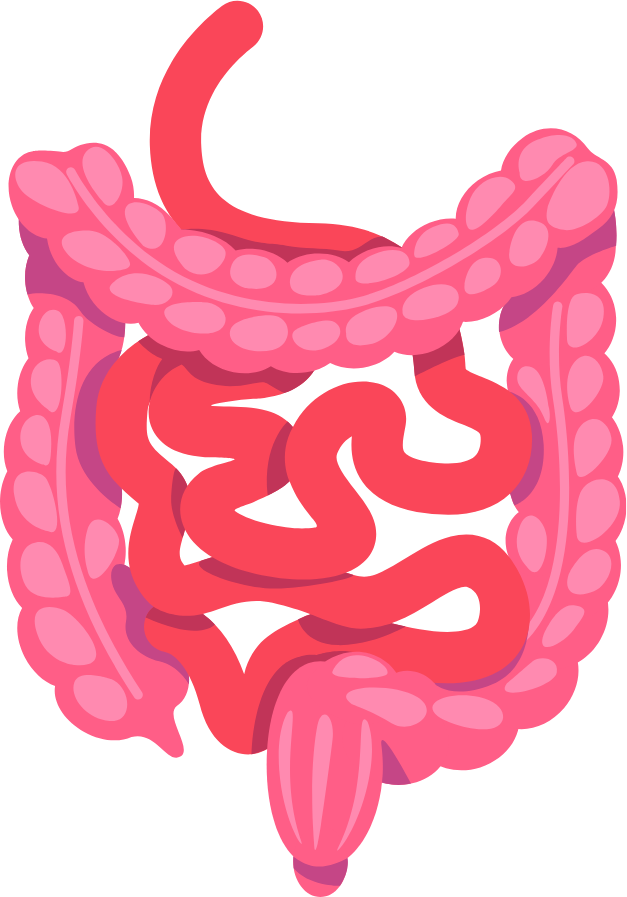
The source pages identify it as a life-threatening pediatric emergency and the most common cause of intestinal obstruction in children between 3 months and 6 years.
Overview
The most common locations are ileoileal or ileocolic/ileocecal.
Peak age is 3 months-3 years, with many cases occurring during the first year of life.
Because symptoms can come in waves, the infant may appear well between episodes.
Classic Triad + Dance's Sign
Currant jelly stool is a classic board finding, but it is often late because it reflects mucosal ischemia and bleeding.
Diagnosis & Treatment
Intussusception is time-sensitive because obstruction can progress to ischemia and perforation.
- Ultrasound is the preferred initial study and may show a target sign or donut sign.
- Air or barium/contrast enema is diagnostic and therapeutic because pressure can reduce the telescoped bowel.
- Enema reduction succeeds in about 80-90% of uncomplicated pediatric cases.
- Do not use enema reduction when perforation or peritonitis is suspected.
- Surgery is required if enema reduction fails, if the child is unstable or acutely ill, if perforation/peritonitis is present, or if a lead point requires correction.
- Expect emergency management: NPO, IV access, fluids, pain control, and surgical consultation even when enema reduction is planned.
Post-Reduction Nursing
Recurrence, perforation, dehydration, and return of obstruction symptoms must be watched for before discharge teaching is complete.
- Monitor for recurrence; recurrence can occur after successful enema reduction and may require repeat treatment.
- Assess for recurrent episodic abdominal pain, vomiting, lethargy, blood or mucus in stool, distention, fever, or peritoneal signs.
- Auscultate bowel sounds and monitor stool character, abdominal girth, intake/output, and hydration status.
- Advance diet slowly per provider order once bowel function and clinical stability return.
- Teach parents to seek immediate care if the child again draws knees to chest, has recurrent colicky pain, vomits, or passes bloody mucus stool.
Nursing priorities
- 1. NPO immediately. — The child may need urgent enema reduction or surgery, and bowel obstruction increases aspiration and perforation risk.
- 2. Establish IV access and begin fluid resuscitation as ordered. — Vomiting, poor intake, third spacing, and possible shock require rapid circulatory support.
- 3. Assess stool character and output. — Blood and mucus can indicate ischemia, while output trends help evaluate obstruction and hydration.
Key nursing points
- Classic triad: episodic colicky pain + currant jelly stool + sausage-shaped mass.
- Currant jelly stool = LATE sign (bowel ischemia).
- Peak age: 3 months to 3 years.
- Diagnosis/treatment: air-contrast enema (therapeutic first-line).
- Surgical reduction if enema fails.
Test yourself

Pick your answer first, then open the rationale. Guessing teaches nothing.
Intussusception — telescoping of bowel — causes episodic colicky pain, currant jelly stool, and a sausage-shaped mass; treated with air enema.
— 9 —