Hypertrophic Pyloric Stenosis (HPS)
Pyloric stenosis causes projectile non-bilious vomiting at 2–8 weeks — fix is surgical (pyloromyotomy) after correcting metabolic alkalosis.
- Lesson 10 of 17
- 5 min read
4 nursing priorities
- 1Strict I&O.Urine output, emesis volume, daily weight, and hydration status guide resuscitation and electrolyte replacement.
- 2Monitor for dehydration signs.Projectile vomiting can quickly cause hypovolemia in a young infant.
- 3Post-op: advance feeds per protocol.Small, progressive feeds reduce vomiting and help assess return of gastric emptying.
- 4Teach parents expected post-op spitting.Mild spitting can occur for several days; teaching prevents panic while still identifying persistent projectile emesis as abnormal.
Overview
The definitive treatment is pyloromyotomy, but fluid and electrolyte correction comes first.
Overview
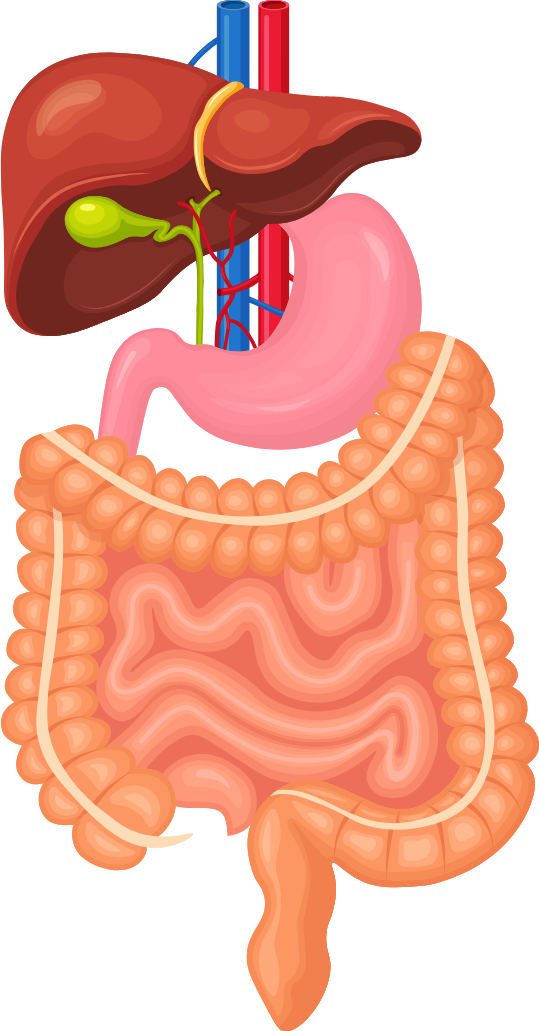
The pylorus is the muscular sphincter that controls emptying from the stomach into the small intestine.
Presentation is usually between 2-8 weeks of age, with many cases identified around 3-6 weeks.
Bilious vomiting suggests a different obstruction and is an emergency until proven otherwise.
Classic Presentation
The infant may appear eager to feed again after vomiting because little nutrition reached the intestine.
Metabolic Consequence
This is why the priority is IV isotonic fluids and electrolyte correction, not immediate transport to the OR.
Diagnosis & Surgery
The priority is stabilization first, then surgery.
- Ultrasound confirms the diagnosis. Common criteria: pyloric muscle thickness > 4 mm and channel length > 16 mm.
- Blood tests assess dehydration, chloride, potassium, acid-base status, and readiness for anesthesia.
- Ramstedt pyloromyotomy splits the hypertrophied muscle so the mucosa can bulge outward and the outlet can open.
- Correct dehydration and electrolytes before surgery; add potassium to IV fluids only after adequate urine output is established.
- Introduce feeds 4-6 hours post-op or per protocol, usually starting small and advancing as tolerated.
- Some post-op spitting or small emesis is expected while edema resolves; persistent projectile vomiting is not expected and should be reported.
Nursing priorities
- 1. Strict I&O. — Urine output, emesis volume, daily weight, and hydration status guide resuscitation and electrolyte replacement.
- 2. Monitor for dehydration signs. — Projectile vomiting can quickly cause hypovolemia in a young infant.
- 3. Post-op: advance feeds per protocol. — Small, progressive feeds reduce vomiting and help assess return of gastric emptying.
- 4. Teach parents expected post-op spitting. — Mild spitting can occur for several days; teaching prevents panic while still identifying persistent projectile emesis as abnormal.
Key nursing points
- Projectile NON-BILIOUS vomiting at 2–8 weeks = pyloric stenosis.
- Palpable 'olive' RUQ + visible peristaltic waves.
- Metabolic alkalosis + hypochloremia + hypokalemia.
- Correct fluids/electrolytes BEFORE surgery.
- Treatment: pyloromyotomy (excellent prognosis).
Test yourself

Pick your answer first, then open the rationale. Guessing teaches nothing.
Pyloric stenosis causes projectile non-bilious vomiting at 2–8 weeks — fix is surgical (pyloromyotomy) after correcting metabolic alkalosis.
— 10 —