Reye Syndrome
Reye syndrome is a rare but life-threatening condition of brain and liver damage — classically linked to aspirin use in children with viral illness.
- Lesson 8 of 17
- 5 min read
3 nursing priorities
- 1Monitor neuro status hourly - report deterioration immediately.A change from lethargy to confusion, combativeness, coma, abnormal posturing, or apnea can signal worsening cerebral edema.
- 2Strict I&O plus daily weight.Fluid balance must support perfusion and glucose delivery without worsening cerebral edema.
- 3Teach parents: no aspirin rule is permanent.Future viral illnesses create repeat risk if families do not recognize aspirin-containing products.
Overview
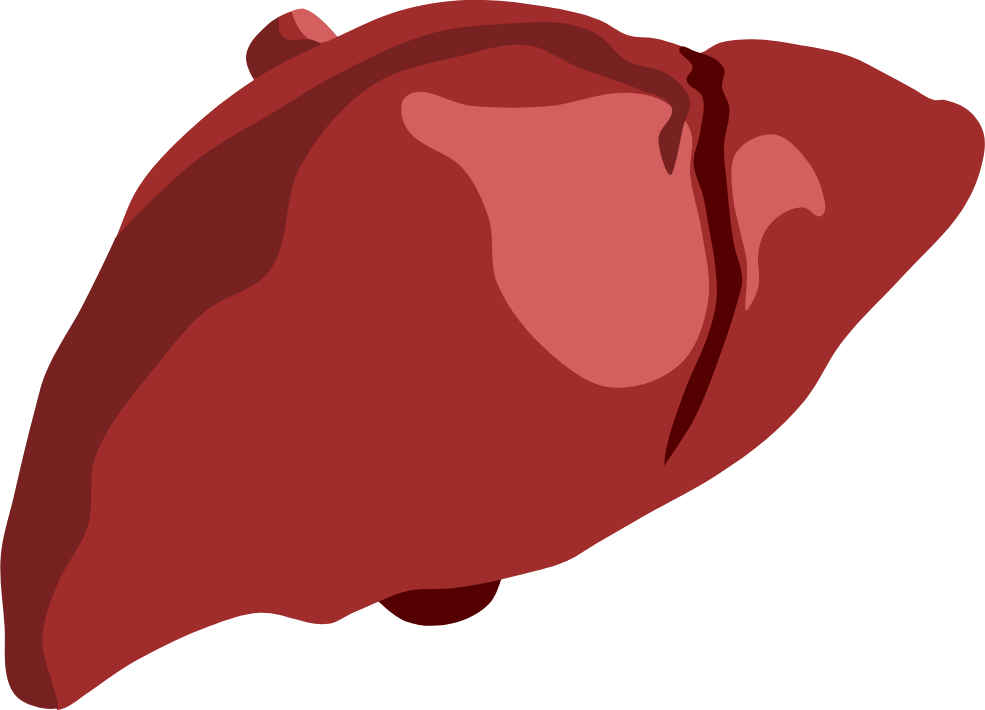
Reye syndrome is a rare but life-threatening syndrome of acute non-inflammatory encephalopathy plus hepatic dysfunction.
Overview
Reye syndrome damages mitochondrial function, especially in the liver.
The classic timeline is several days after an apparent viral illness.
It is rare, but the mortality and neurologic injury risk are high enough that aspirin avoidance in children is treated as a permanent safety rule.
Aspirin Rule
Teach families to check labels for salicylates, bismuth subsalicylate, combination cold products, and older home remedies.
Clinical Stages
Reye syndrome progression reflects worsening encephalopathy and cerebral edema.
Reye syndrome progression
| Stage | LOC | Behavior | EEG findings |
|---|---|---|---|
| Stage I | Sleepy or lethargic | Persistent vomiting, malaise, fatigue | May be normal or mildly slowed |
| Stage II | Stuporous | Combative, confused, irrational, hyperventilation possible | Generalized slowing |
| Stage III | Coma | Decorticate posturing may appear; seizures possible | Marked diffuse slowing |
| Stage IV | Deep coma | Decerebrate posture, fixed or sluggish pupils | Severe slowing or burst suppression |
| Stage V | Flaccid coma | Apnea, loss of reflexes, impending herniation | Very low voltage or electrocerebral silence |
Treatment
There is no antidote for Reye syndrome, so treatment protects the brain and supports failing liver function.
- ICU admission with frequent neurologic checks, cardiorespiratory monitoring, and aggressive management of cerebral edema.
- IV glucose to prevent or correct hypoglycemia caused by liver dysfunction.
- Mannitol or hypertonic therapy as ordered for cerebral edema and raised intracranial pressure.
- Fresh frozen plasma, vitamin K, or platelets as ordered for coagulopathy and bleeding risk.
- Treat raised ICP: head midline, avoid fever, avoid hypoxia/hypercapnia, cluster care carefully, and prepare for ventilatory support if needed.
- Trend ammonia, AST/ALT, glucose, PT/INR, electrolytes, and acid-base status.

Nursing priorities
- 1. Monitor neuro status hourly - report deterioration immediately. — A change from lethargy to confusion, combativeness, coma, abnormal posturing, or apnea can signal worsening cerebral edema.
- 2. Strict I&O plus daily weight. — Fluid balance must support perfusion and glucose delivery without worsening cerebral edema.
- 3. Teach parents: no aspirin rule is permanent. — Future viral illnesses create repeat risk if families do not recognize aspirin-containing products.
Key nursing points
- NEVER give aspirin to children with viral illness — linked to Reye syndrome.
- Classic triad: viral illness → vomiting → encephalopathy.
- Labs: elevated ammonia, liver enzymes; hypoglycemia; prolonged clotting times.
- Use acetaminophen or ibuprofen instead of aspirin in children.
Test yourself

Pick your answer first, then open the rationale. Guessing teaches nothing.
Reye syndrome is a rare but life-threatening condition of brain and liver damage — classically linked to aspirin use in children with viral illness.
— 8 —