Antihypertensives
Antihypertensives lower blood pressure through diuresis, vasodilation, reduced sympathetic activity, or blockade of the renin-angiotensin-aldosterone system.
- Lesson 10 of 23
- 8 min read
Overview
Major antihypertensive classes include diuretics, ACE inhibitors, ARBs, calcium channel blockers, beta-blockers, alpha-blockers, and direct vasodilators.
Pathophysiology
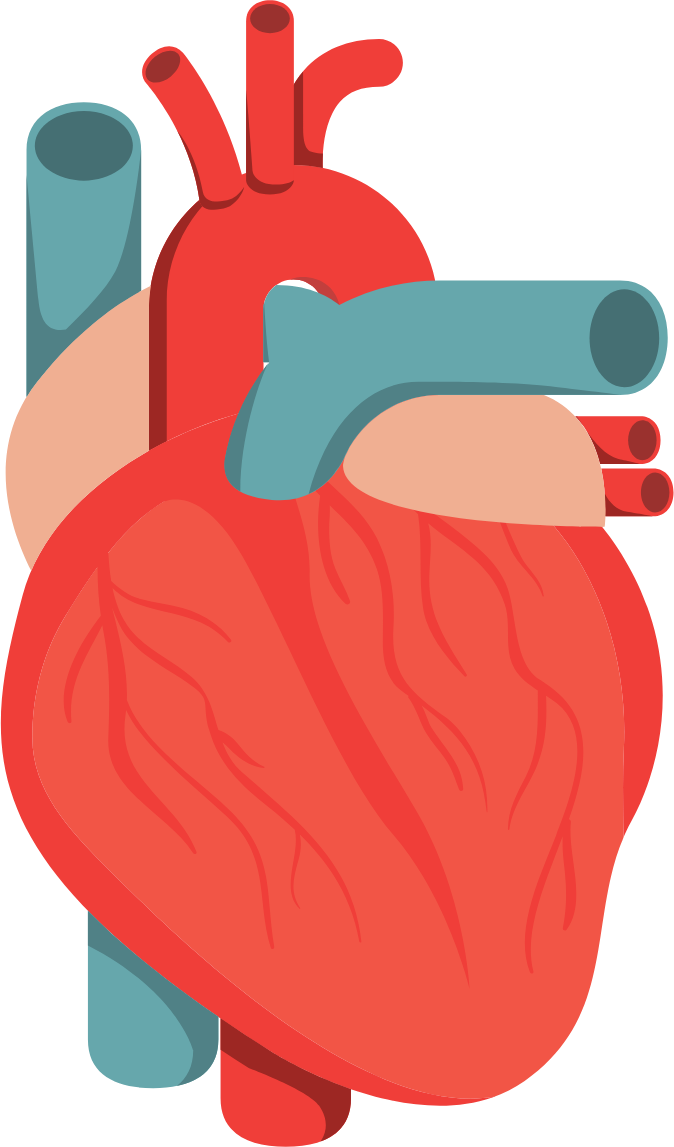
Hypertension increases afterload and damages vessels, kidneys, brain, eyes, and heart over time.
Signs & Symptoms
Dizziness after a dose may signal excessive BP drop, while chest pain, neurologic change, dyspnea, or kidney injury suggests hypertensive emergency.
- Hypertension is often asymptomatic until end-organ damage occurs.
- Adverse effects to watch: dizziness, syncope, bradycardia, edema, cough, angioedema, electrolyte imbalance, dehydration, and falls.
- Hypertensive emergency symptoms include chest pain, neuro deficits, severe headache, dyspnea, confusion, or renal injury signs.
Diagnosis
A single elevated reading should be interpreted with technique and context.
- Confirm BP with correct cuff size, positioning, repeated readings, and home/ambulatory data when needed.
- Assess baseline renal function, potassium/sodium, diabetes, pregnancy status, cardiovascular disease, and medication interactions.
- Monitor therapeutic response and adverse effects after initiation or dose changes.

Treatment
Chronic treatment is gradual and individualized; the goal is sustained organ protection, not rapid normalization after years of elevation.
- First-line chronic therapy often includes thiazide diuretics, ACE inhibitors, ARBs, or calcium channel blockers based on patient factors.
- Beta-blockers are especially useful for certain patients with CAD, post-MI status, tachyarrhythmias, or heart failure regimens.
- Hypertensive emergency requires controlled IV therapy and monitoring; do not drop BP too rapidly unless specifically indicated.
- Lifestyle therapy includes sodium reduction, weight management, exercise, smoking cessation, limited alcohol, and DASH-style eating.
Nursing Priorities
Pre-dose assessment prevents predictable harm.
- Check BP and pulse before giving drugs with hold parameters and assess orthostatic symptoms.
- Monitor potassium, sodium, BUN/creatinine, urine output, edema, daily weights, and fall risk.
- Watch for angioedema with ACE inhibitors or ARBs: facial/lip/tongue swelling is an emergency.
- Teach adherence; many patients stop medications because hypertension is silent.
Patient Teaching
Adherence is difficult because hypertension is silent and side effects are noticeable.
- Rise slowly and report fainting, severe dizziness, swelling of lips/tongue, or trouble breathing.
- Do not stop beta-blockers or clonidine abruptly because rebound hypertension can occur.
- Avoid salt substitutes with ACE inhibitors, ARBs, or potassium-sparing diuretics unless approved.
- Use home BP logs and bring readings to appointments.
Complications
Hypertension injures small and large vessels, accelerating atherosclerosis and end-organ damage.
- Untreated hypertension can cause stroke, MI, heart failure, kidney disease, retinopathy, aneurysm, and PAD.
- Medication complications include hypotension, falls, electrolyte imbalance, acute kidney injury, bradycardia, angioedema, and rebound hypertension.
ACE Inhibitors
lisinopril · ACE inhibitor
Use: Hypertension, HF, post-MI, diabetic nephropathy protection.
Side effects: Dry cough, angioedema, hyperkalemia, hypotension (first dose), elevated Cr.
Contraindications: Pregnancy (any trimester), bilateral renal artery stenosis, prior ACE-I angioedema.
Nursing: Angioedema = stop immediately, call provider. Monitor K+ and Cr. Hold if Cr rises >30%.
enalapril · ACE inhibitor (prodrug)
Use: Hypertension, HF, asymptomatic LV dysfunction.
Side effects: Dry cough, angioedema, hyperkalemia, hypotension.
Contraindications: Pregnancy, bilateral renal artery stenosis.
Nursing: Same class precautions as lisinopril. Monitor BP after first dose (risk of steep drop).
ramipril · ACE inhibitor
Use: Hypertension, post-MI cardioprotection, prevention of CV events (high-risk patients).
Side effects: Dry cough, angioedema, hyperkalemia.
Contraindications: Pregnancy, angioedema history.
Nursing: Monitor BP, K+, Cr. Educate about cough — switch to ARB if intolerable.
ARBs & Calcium Channel Blockers
losartan · ARB (angiotensin II receptor blocker)
Use: Hypertension, diabetic nephropathy, HF (ACE-I intolerant), stroke prevention in LVH.
Side effects: Hyperkalemia, elevated Cr, hypotension; NO cough (unlike ACE-I).
Contraindications: Pregnancy, bilateral renal artery stenosis.
Nursing: Use when patient cannot tolerate ACE-I cough. Same monitoring as ACE-I for K+ and Cr.
valsartan · ARB
Use: Hypertension, HF (with sacubitril as Entresto), post-MI LV dysfunction.
Side effects: Hyperkalemia, hypotension; no cough.
Contraindications: Pregnancy; do not combine with ACE-I (increased adverse effects).
Nursing: Monitor K+, Cr, BP. Educate no cough advantage over ACE-I.
amlodipine · Dihydropyridine CCB (calcium channel blocker)
Use: Hypertension, stable angina, Raynaud's phenomenon.
Side effects: Peripheral edema (ankles), flushing, headache, reflex tachycardia.
Contraindications: Severe hypotension.
Nursing: Elevate legs for edema. Does not affect heart rate significantly. Can combine with beta-blockers.
diltiazem / verapamil · Non-dihydropyridine CCB
Use: Hypertension, angina, rate control in AF/flutter.
Side effects: Bradycardia, AV block, constipation (verapamil), peripheral edema.
Contraindications: Heart block, sick sinus syndrome, HFrEF (verapamil), concurrent beta-blockers.
Nursing: CI with beta-blockers — risk of complete AV block. Monitor HR and PR interval.
Beta-Blockers & Other Antihypertensives
metoprolol / atenolol · Cardioselective beta-1 blocker
Use: Hypertension, angina, post-MI, HF (metoprolol succinate), rate control in AF.
Side effects: Bradycardia, fatigue, cold extremities, masking of hypoglycemia.
Contraindications: Asthma/COPD (relative), 2nd/3rd degree AV block, decompensated HF.
Nursing: Hold if HR <60 or SBP <90. Do not stop abruptly (rebound angina/MI). Masks hypoglycemia symptoms.
carvedilol · Non-selective beta-blocker + alpha-1 blocker
Use: Hypertension, HFrEF (reduces mortality).
Side effects: Bradycardia, hypotension, bronchospasm, dizziness.
Contraindications: Asthma, severe bradycardia, decompensated HF (acute).
Nursing: Monitor HR and BP. Start at lowest dose and titrate slowly in HF.
hydralazine · Direct arterial vasodilator
Use: Hypertensive emergency, hypertension in pregnancy, HF (with nitrates in Black patients).
Side effects: Lupus-like syndrome (long-term), reflex tachycardia, headache, sodium retention.
Contraindications: Coronary artery disease, mitral valve rheumatic disease.
Nursing: Give with beta-blocker to counteract reflex tachycardia. Monitor ANA with long-term use.
labetalol · Combined alpha- and beta-blocker
Use: Hypertensive emergency (especially in pregnancy/preeclampsia), hypertension.
Side effects: Bradycardia, hypotension, bronchospasm, fatigue.
Contraindications: Asthma, heart block.
Nursing: IV preferred in hypertensive emergency in pregnancy. Keep patient supine after IV dose (orthostatic hypotension).
Key nursing points
- ACE inhibitors (-pril): cough, hyperkalemia, angioedema, renal function changes, contraindicated in pregnancy.
- ARBs (-sartan): similar benefits without cough; still monitor potassium/renal function and avoid pregnancy.
- Calcium channel blockers (-dipine, diltiazem, verapamil): hypotension, edema, constipation, bradycardia/AV block with non-DHP agents.
- Beta-blockers (-olol): hold/clarify for bradycardia or hypotension per parameters; do not stop abruptly.
- Thiazides: hypokalemia, hyponatremia, hyperuricemia/gout, hyperglycemia, photosensitivity.
- Loop diuretics: hypokalemia, dehydration, ototoxicity risk; monitor I&O, daily weight, and electrolytes.
Test yourself

Pick your answer first, then open the rationale. Guessing teaches nothing.
Antihypertensives lower blood pressure through diuresis, vasodilation, reduced sympathetic activity, or blockade of the renin-angiotensin-aldosterone system.
— 10 —