Crohn's vs Ulcerative Colitis
Two IBDs — different location, different pattern, different complications.
- Lesson 1 of 7
- 6 min read
Side by side
Crohn's Disease vs Ulcerative Colitis
Crohn's = Cobblestone, skip lesions, any Compartment of gut. UC = Uninterrupted, starts at rectum, mucosal only.
- Any segment mouth to anus
- Terminal ileum most common (ileitis)
- Can affect esophagus, stomach, small bowel, colon
- Colon and rectum only
- Always starts at rectum and spreads proximally
- Never involves small bowel
- Skip lesions — diseased segments separated by normal bowel
- Cobblestone mucosal appearance
- Continuous, uninterrupted inflammation
- Starts at rectum — always involved
- Transmural — full thickness of bowel wall
- All layers affected
- Mucosal and submucosal only
- Does not penetrate full thickness
- Common — fistulas, abscesses, skin tags
- Fistulas to skin, bladder, vagina, other bowel loops
- Rare (except from rectal involvement)
Overview
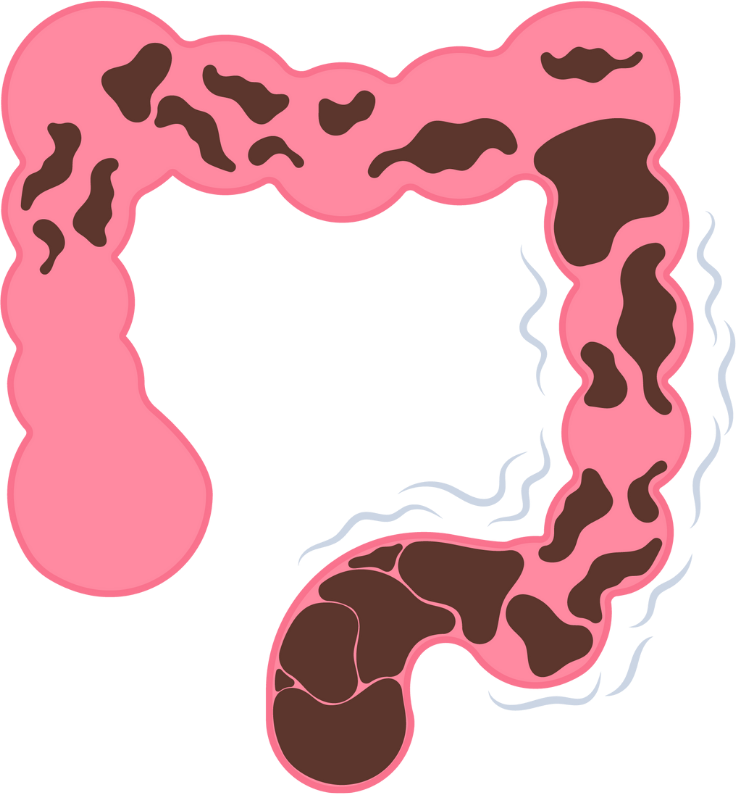
UC: continuous lesions limited to colon, mucosa only, bloody diarrhea, toxic megacolon risk.
Overview
Inflammatory bowel disease includes Crohn's disease and ulcerative colitis.
Assessment Findings
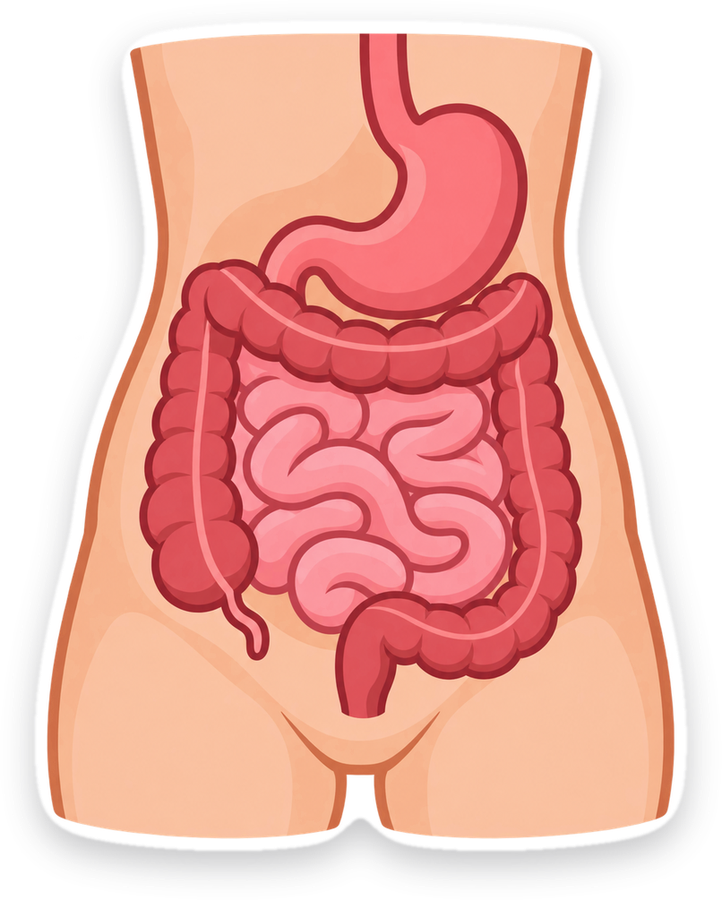
Assessment should sort Crohn's and UC by pattern, not just by diarrhea.
- Crohn's: RLQ pain, non-bloody diarrhea, weight loss, malabsorption, fistulas, strictures, and skip lesions anywhere from mouth to anus.
- Ulcerative colitis: LLQ cramping, bloody diarrhea, urgency, tenesmus, continuous colon inflammation, and toxic megacolon risk.
- Both may cause fatigue, fever, anemia, joint pain, eye inflammation, skin lesions, and poor nutrition.
Diagnostics
Diagnostics confirm the inflammation pattern and rule out mimics before treatment is intensified.
- Colonoscopy with biopsy confirms inflammation pattern and screens for dysplasia or cancer risk.
- CBC may show anemia or leukocytosis; inflammatory markers may rise during flares.
- Stool tests help rule out infection before escalating immunosuppression.
Treatment
Steroids control acute inflammation but are not ideal long-term maintenance; 5-ASA, immunomodulators, and biologics are used to reduce relapse risk.
- 5-ASA drugs, corticosteroids for flares, immunomodulators, and biologics may be used depending on severity.
- Supportive care includes hydration, nutrition, iron replacement when indicated, and pain control that avoids NSAID overuse.
- Surgery can cure ulcerative colitis by removing the colon; surgery does not cure Crohn's because disease can recur elsewhere.
Nursing Priorities
The bedside priority is detecting dehydration, bleeding, infection, obstruction, perforation, or toxic megacolon early.
- Monitor stool frequency, bleeding, pain, weight, hydration, electrolytes, and signs of perforation or toxic megacolon.
- Assess medication infection risk with steroids, immunomodulators, or biologics.
- Use skin protection and dignity-focused care for frequent diarrhea.
Patient Teaching
Encourage a flare diary, medication adherence even during remission, nutrition follow-up, smoking cessation for Crohn's, and vaccine planning before biologics.
- Track flare triggers, stool pattern, weight, fever, bleeding, and medication adherence.
- Avoid smoking with Crohn's, maintain nutrition, and keep vaccine and colonoscopy follow-up.
- Report severe abdominal distention, fever, rigid abdomen, or heavy bleeding promptly.
Complications
The complication pattern follows disease depth.
Extraintestinal Manifestations
These symptoms may flare with bowel inflammation or occasionally appear before GI symptoms are severe.
Toxic Megacolon
Avoid colonoscopy, enemas, and antidiarrheals because they can increase pressure or worsen colonic paralysis.
Nutritional Considerations
Active inflammation increases protein and calorie needs, while diarrhea and malabsorption can deplete iron, B12, fat-soluble vitamins, and fluid volume.
- Crohn's: elemental formula or TPN may be used for bowel rest during severe acute flares.
- Ulcerative colitis: low-residue diet during flares helps reduce stool volume and irritation.
- Both: high-protein intake during remission supports healing and prevents malnutrition.
- Crohn's can cause vitamin B12 deficiency when terminal ileum involvement disrupts B12 absorption.
- Monitor for iron-deficiency anemia from chronic inflammation, malabsorption, or GI blood loss.
Crohn's Disease vs Ulcerative Colitis
| Crohn's Disease | Ulcerative Colitis | |
|---|---|---|
| Location | Any segment mouth to anus • Terminal ileum most common (ileitis) • Can affect esophagus, stomach, small bowel, colon | Colon and rectum only • Always starts at rectum and spreads proximally • Never involves small bowel |
| Pattern | Skip lesions — diseased segments separated by normal bowel • Cobblestone mucosal appearance | Continuous, uninterrupted inflammation • Starts at rectum — always involved |
| Depth | Transmural — full thickness of bowel wall • All layers affected | Mucosal and submucosal only • Does not penetrate full thickness |
| Perianal disease | Common — fistulas, abscesses, skin tags • Fistulas to skin, bladder, vagina, other bowel loops | Rare (except from rectal involvement) |
| Key symptoms | Non-bloody diarrhea (or absent if small bowel only) • RLQ cramping pain (mimics appendicitis) • Weight loss, malabsorption, B12 deficiency (terminal ileum) • Fistulas — foul-smelling drainage | Bloody diarrhea (hallmark symptom) • Rectal urgency and tenesmus • Cramping relieved by defecation • Mucus in stool |
| Complications | Fistulas (enteroenteral, enterocutaneous, enterovesical) • Strictures → obstruction • Abscess formation • B12 / fat-soluble vitamin malabsorption | Toxic megacolon — colonic dilation > 6 cm + systemic toxicity • Colorectal cancer risk (increases with disease duration and extent) • Massive GI hemorrhage • Perforation |
| Surgery curative? | NO — disease recurs after resection • Surgery for complications only (fistula, obstruction, abscess) | YES — total proctocolectomy with ileostomy is curative • But surgery is last resort; try medications first |
| First-line treatment | 5-ASA (mild), corticosteroids (moderate), biologics (anti-TNF: infliximab/adalimumab) for moderate-severe • Metronidazole for perianal disease | 5-ASA (mesalamine) for mild-moderate • Corticosteroids for flares • Biologics for moderate-severe or steroid-dependent |
Nursing priorities
- 1. Assess stool frequency, consistency, and blood; report sudden decrease in frequency with abdominal rigidity. — A sudden stop in diarrhea with distention/rigidity can signal perforation or toxic megacolon.
- 2. Provide meticulous skin care around a stoma if colostomy or ileostomy is present. — Frequent effluent and appliance leakage can quickly cause painful peristomal breakdown.
- 3. Teach mesalamine (5-ASA): take with food and expect orange/yellow urine discoloration. — Food improves tolerance and expected urine color changes should not be confused with hematuria.
Key nursing points
- Crohn's → diarrhea (often non-bloody), RLQ pain, weight loss, B12 deficiency.
- UC → bloody diarrhea, LLQ pain, tenesmus, increased colon cancer risk.
- Both: 5-ASA (mesalamine), corticosteroids for flares, biologics (infliximab).
- Surgery curative for UC (colectomy) — never cures Crohn's.
Test yourself

Pick your answer first, then open the rationale. Guessing teaches nothing.
Two IBDs — different location, different pattern, different complications.
— 1 —