Pancreatitis (Acute & Chronic)
GETS a stone: Gallstones (#1), Ethanol (#2). NPO + aggressive IV fluids + pain control. Grey Turner + Cullen = retroperitoneal bleeding.
- Lesson 7 of 7
- 7 min read
Side by side
Acute vs Chronic Pancreatitis
- Sudden pancreatic enzyme activation; gallstones and alcohol are common causes.
- Repeated inflammation and injury, commonly from chronic alcohol use or recurrent acute attacks.
- Sudden, often severe, and potentially reversible.
- Gradual or recurrent over months to years with irreversible fibrosis.
- Severe epigastric pain radiating to the back, often worse supine and better leaning forward.
- Chronic or recurrent epigastric/back pain; may lessen late as pancreatic tissue is destroyed.
- Serum lipase usually > 3× ULN; amylase may also rise.
- Amylase/lipase may be normal or mildly elevated because pancreatic tissue is fibrotic.
Overview
Acute pancreatitis ranges from mild edema to life-threatening necrosis.
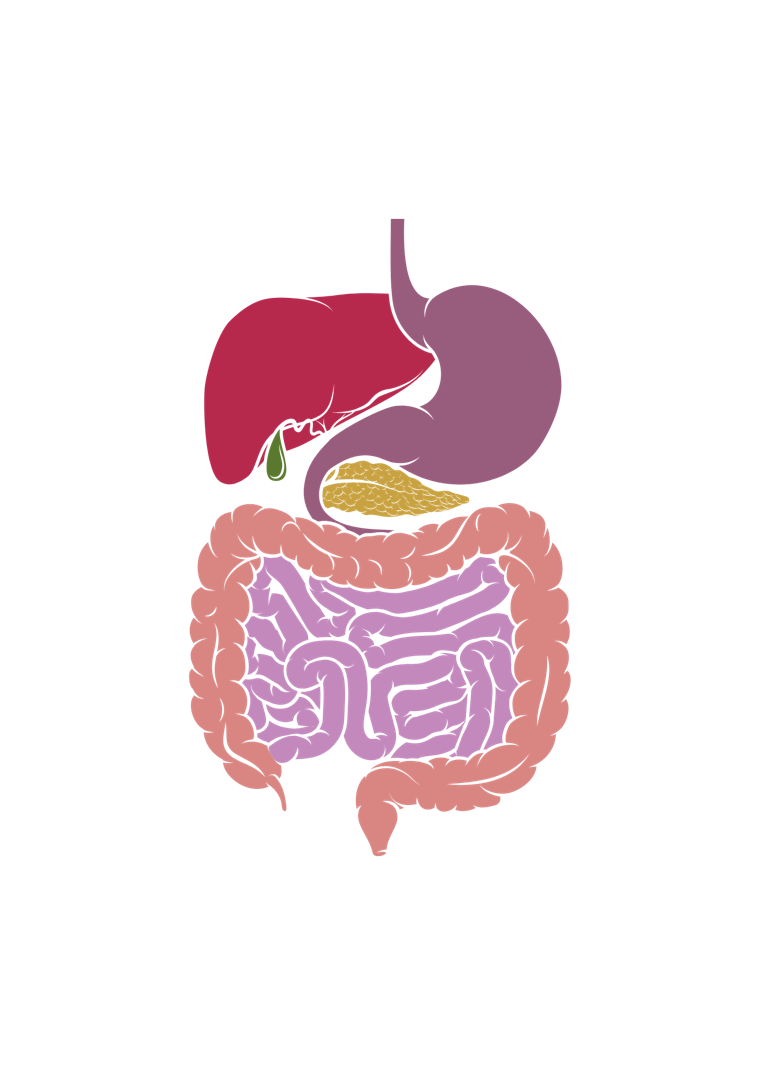
Causes — GET SMASHED
Gallstones obstructing the biliary-pancreatic outflow and alcohol-related injury are the most common triggers.
Signs & Symptoms
The classic pain pattern is severe epigastric pain radiating through to the back, worse supine and relieved by leaning forward.
- Severe steady epigastric pain radiating to the back — described as boring. Worsened by lying supine; improved by leaning forward or fetal position.
- Nausea, vomiting, abdominal distension, and decreased or absent bowel sounds (paralytic ileus).
- Fever, tachycardia, and leukocytosis from systemic inflammation.
- Grey Turner sign: flank ecchymosis — retroperitoneal hemorrhage tracking to the flank.
- Cullen sign: periumbilical ecchymosis — hemorrhage tracking to the umbilicus.
- Both signs indicate hemorrhagic pancreatitis — severe, life-threatening form.
Diagnostics
Lipase is the preferred enzyme marker because it is more specific and remains elevated longer than amylase.
- Serum lipase: most specific — rises within 4–8 hours, stays elevated longer than amylase.
- Serum amylase: sensitive but less specific (also elevated with parotitis, bowel obstruction).
- BMP: watch glucose (hyperglycemia) and calcium (hypocalcemia causes tetany).
- Abdominal CT with contrast: gold standard for severity assessment, necrosis, and complications.
- Ultrasound: first step to identify gallstones as cause.
Treatment
Antibiotics are not routine unless infected necrosis is present; ERCP is reserved for biliary obstruction or cholangitis patterns.
- NPO: bowel rest halts pancreatic enzyme stimulation. Advance only when pain resolves and patient tolerates oral intake.
- Aggressive IV fluid resuscitation: 250–500 mL/hr Lactated Ringer's (preferred over normal saline — less metabolic acidosis). This is the cornerstone of treatment.
- Analgesia: IV opioids for pain; adequate pain control is a priority.
- ERCP: if gallstone pancreatitis with biliary obstruction — removes the obstructing stone.
- Antibiotics: only for confirmed infected necrosis — NOT given prophylactically.
- Chronic pancreatitis: pancreatic enzyme replacement (PERT) with meals, insulin for diabetes, alcohol abstinence, dietary fat restriction.
Nursing Priorities
Nursing care is focused on perfusion, pain, electrolyte shifts, and early complications.
- Maintain strict NPO until provider approves advancement. Monitor for bowel sounds and flatus before offering liquids.
- IV fluids: maintain adequate hydration; urine output goal ≥0.5 mL/kg/hr.
- Monitor lipase/amylase trend, BG, serum calcium (hypocalcemia causes Chvostek/Trousseau signs), BUN, and hematocrit.
- Position of comfort: side-lying with knees to chest (fetal) or sitting forward reduces pain.
- Daily weights and strict I&O.
Complications
Acute pancreatitis can spread beyond the pancreas through systemic inflammatory response.
- Acute: pseudocyst, abscess, necrosis, hemorrhage, ARDS, AKI, DIC, hypocalcemia, hyperglycemia, shock.
- Chronic: diabetes mellitus, pancreatic cancer, malnutrition, fat-soluble vitamin (A, D, E, K) deficiency.
Acute vs Chronic Pancreatitis
| Acute Pancreatitis | Chronic Pancreatitis | |
|---|---|---|
| Cause | Sudden pancreatic enzyme activation; gallstones and alcohol are common causes. | Repeated inflammation and injury, commonly from chronic alcohol use or recurrent acute attacks. |
| Onset | Sudden, often severe, and potentially reversible. | Gradual or recurrent over months to years with irreversible fibrosis. |
| Pain | Severe epigastric pain radiating to the back, often worse supine and better leaning forward. | Chronic or recurrent epigastric/back pain; may lessen late as pancreatic tissue is destroyed. |
| Labs | Serum lipase usually > 3× ULN; amylase may also rise. | Amylase/lipase may be normal or mildly elevated because pancreatic tissue is fibrotic. |
| Complications | Pseudocyst, necrosis, hemorrhage, ARDS, AKI, DIC, hypocalcemia, shock. | Fibrosis leads to pancreatic insufficiency, diabetes mellitus, malabsorption, steatorrhea, and fat-soluble vitamin deficiency. |
| Prognosis | Often reversible when the trigger is treated, though severe cases can be fatal. | Progressive chronic damage with long-term diabetes and malabsorption risk. |
Diagnostic tests
| Test | Purpose | Normal | Abnormal | Nursing note |
|---|---|---|---|---|
| Serum Lipase | Diagnose pancreatitis | 7–60 U/L | > 3× ULN is diagnostic (more specific than amylase) | Rises faster and stays elevated longer than amylase |
| Serum Amylase | Pancreatitis (less specific) | 25–125 U/L | > 3× ULN | Also elevated in salivary gland disorders, bowel obstruction |
Key nursing points
- Most common causes: gallstones (#1) and alcohol (#2).
- Hallmark: severe epigastric pain radiating to the back, worse lying flat, better leaning forward.
- Grey Turner sign (flank ecchymosis) + Cullen sign (periumbilical ecchymosis) = retroperitoneal bleeding → severe pancreatitis.
- Lipase is most specific; elevated amylase is sensitive but less specific.
- Treatment cornerstone: aggressive IV fluid resuscitation (250–500 mL/hr LR) + NPO + pain control.
- Monitor: hypocalcemia (fat saponification binds calcium) and hyperglycemia.
Test yourself

Pick your answer first, then open the rationale. Guessing teaches nothing.
GETS a stone: Gallstones (#1), Ethanol (#2). NPO + aggressive IV fluids + pain control. Grey Turner + Cullen = retroperitoneal bleeding.
— 7 —