GERD
GERD is chronic reflux of gastric contents into the esophagus, causing heartburn, regurgitation, cough, and esophagitis risk.
- Lesson 3 of 7
- 6 min read
Side by side
GERD vs Peptic Ulcer Disease
- Lower esophageal sphincter incompetence allows gastric contents to reflux into the esophagus.
- Mucosal erosion from acid/pepsin exposure, most often H. pylori or NSAID related.
- Esophagus, especially distal esophageal mucosa.
- Stomach or duodenum.
- Heartburn often worsens after meals, with lying down, or bending over.
- Gastric ulcer pain often worsens with eating; duodenal ulcer pain often improves with eating and returns later.
- Not the primary mechanism.
- Major cause; about 70% of PUD is associated with H. pylori, with NSAIDs another major cause.
Overview
Gastroesophageal reflux disease occurs when the lower esophageal sphincter allows acidic stomach contents to reflux into the esophagus.
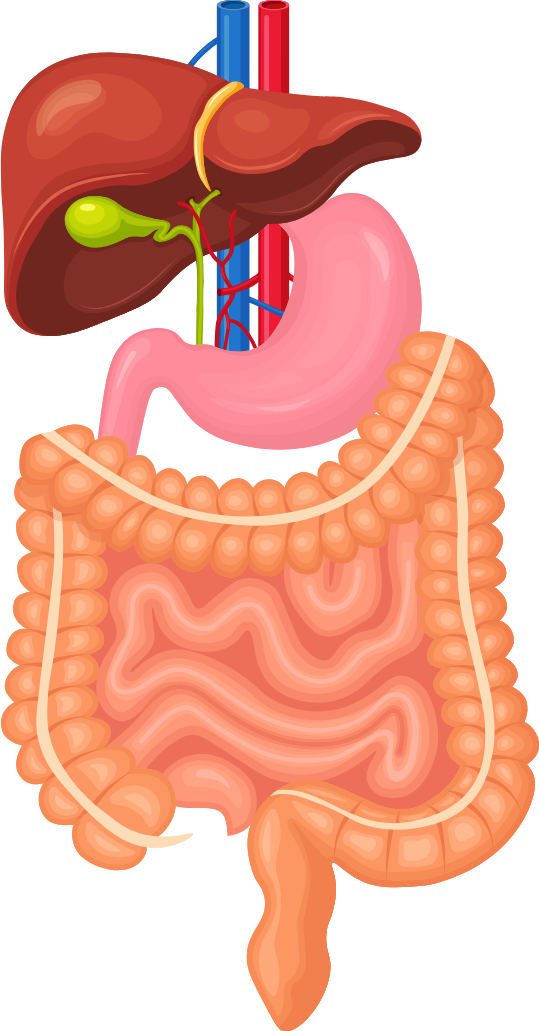
Pathophysiology
Transient or weak lower esophageal sphincter tone allows acid and pepsin to move upward.
Signs & Symptoms
Burning substernal discomfort, sour regurgitation, cough, hoarseness, wheeze, or dysphagia often worsen after meals, bending, or lying flat.
- Heartburn, regurgitation, chest discomfort after meals, belching, nausea, dysphagia, chronic cough, laryngitis, or wheezing.
- Symptoms often worsen when bending over, wearing tight clothes, eating trigger foods, or lying flat after meals.
- Differentiate new chest pain from cardiac causes before assuming reflux.
Diagnosis
Typical GERD can be treated clinically, but alarm symptoms change the plan.
- Clinical diagnosis may be made from typical symptoms and response to therapy.
- Endoscopy is used for alarm symptoms, refractory disease, bleeding, strictures, or Barrett screening.
- Ambulatory pH monitoring can confirm reflux when diagnosis is unclear.
Treatment
Lifestyle measures decrease pressure on the lower esophageal sphincter and reduce nighttime reflux, while PPIs and H2 blockers reduce acid.
- Lifestyle measures plus PPIs, H2 blockers, antacids, or alginate therapy based on severity.
- Treat obesity, pregnancy-related contributors, delayed gastric emptying, and medication triggers when possible.
- Surgical options such as fundoplication may be considered for severe refractory GERD.
Nursing Priorities
The nurse should identify unsafe assumptions and medication misuse.
- Assess pain pattern, swallowing difficulty, GI bleeding, weight loss, and medication adherence.
- Teach correct timing of PPIs and separation of antacids from other medications.
- Screen for aspiration risk if reflux causes nocturnal coughing or respiratory symptoms.
Patient Teaching
Teaching works best when it connects behaviors to reflux mechanics.
- Eat smaller meals and avoid meals within 2-3 hours of bedtime.
- Elevate the head of the bed and avoid lying flat after meals.
- Limit personal triggers such as fatty foods, chocolate, peppermint, caffeine, alcohol, spicy foods, and smoking.
- Report black stools, vomiting blood, difficulty swallowing, or unintentional weight loss.
Complications
Chronic acid exposure can inflame, erode, scar, and change esophageal tissue.
- Esophagitis, ulceration, bleeding, stricture, aspiration, dental enamel damage, and Barrett esophagus.
- Long-term PPI therapy may increase risk for low magnesium, B12 deficiency, C. diff, and fractures in susceptible patients.
GERD vs Peptic Ulcer Disease
| GERD | PUD (Peptic Ulcer Disease) | |
|---|---|---|
| Mechanism | Lower esophageal sphincter incompetence allows gastric contents to reflux into the esophagus. | Mucosal erosion from acid/pepsin exposure, most often H. pylori or NSAID related. |
| Location | Esophagus, especially distal esophageal mucosa. | Stomach or duodenum. |
| Pain timing | Heartburn often worsens after meals, with lying down, or bending over. | Gastric ulcer pain often worsens with eating; duodenal ulcer pain often improves with eating and returns later. |
| H. pylori | Not the primary mechanism. | Major cause; about 70% of PUD is associated with H. pylori, with NSAIDs another major cause. |
| Complications | Esophagitis, stricture, aspiration, Barrett esophagus. | Bleeding, perforation, gastric outlet obstruction, recurrence. |
| Treatment | Lifestyle changes, PPIs, H2 blockers, antacids, and elevation/meal-timing teaching. | PPI therapy, stop NSAIDs when possible, and eradicate H. pylori with combination antibiotics when positive. |
Key nursing points
- Classic symptoms: burning substernal pain, sour regurgitation, dysphagia, chronic cough, hoarseness, and worse symptoms after meals or lying down.
- Lifestyle: small frequent meals, avoid late meals, elevate HOB, weight loss, stop smoking, avoid alcohol/caffeine/spicy/fatty triggers.
- PPIs are most effective; take 30-60 minutes before breakfast.
- H2 blockers can help mild or nocturnal symptoms; antacids offer short-term relief.
- Alarm symptoms such as weight loss, GI bleeding, progressive dysphagia, or anemia require prompt evaluation.
- Avoid tight clothing and lying flat for at least 2-3 hours after eating.
Test yourself

Pick your answer first, then open the rationale. Guessing teaches nothing.
GERD is chronic reflux of gastric contents into the esophagus, causing heartburn, regurgitation, cough, and esophagitis risk.
— 3 —