Postpartum Care (4th Trimester)
BUBBLE-HE guides postpartum assessment — know the findings that are normal vs. reportable in the first hours and days after delivery.
- Lesson 9 of 16
- 7 min read
7 terms
- Breasts
- latch, nipple trauma, engorgement, signs of mastitis.
- Uterus
- fundus firm, midline, and descending over time.
- Bladder
- distention can displace the uterus and worsen bleeding.
- Bowel
- constipation is common; assess flatus, pain, and hemorrhoids.
- Lochia
- amount, color, odor, clots, and change with activity.
- Episiotomy or laceration
- use REEDA assessment.
- Emotional status
- distinguish baby blues from depression, anxiety, psychosis, and safety risk.
Overview
The postpartum period (4th trimester) spans from delivery of the placenta through 6 weeks.
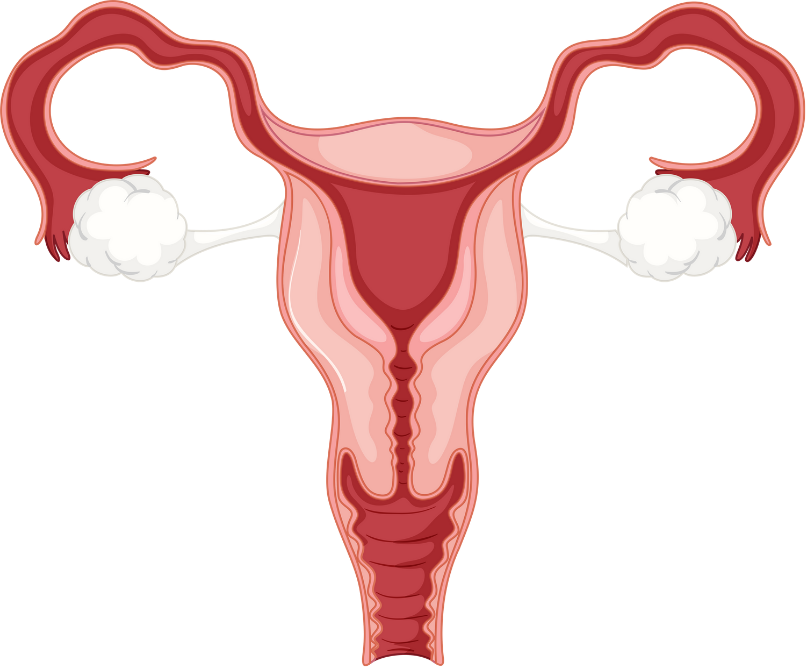
BUBBLE-HE Priorities
The first hours after birth are especially high risk for bleeding.
Hemorrhage Response
EXAM TRAPWatch outBoggy fundus plus heavy lochia is postpartum hemorrhage until proven otherwise.
- Massage a boggy uterus and assess bladder distention.
- Assist the patient to void or prepare catheterization per protocol if bladder is full.
- Quantify blood loss, count pads, assess clots, and monitor vital signs.
- Call for help, maintain IV access, prepare uterotonic medications as ordered, and watch for shock.
- A firm fundus with continued bleeding suggests laceration or retained tissue; escalate promptly.
Infection And Thromboembolism
- Endometritis cues: fever, uterine tenderness, foul-smelling lochia, malaise.
- Mastitis cues: localized breast redness, warmth, pain, fever, and flu-like symptoms.
- Wound infection cues: increasing pain, redness, drainage, separation, or odor.
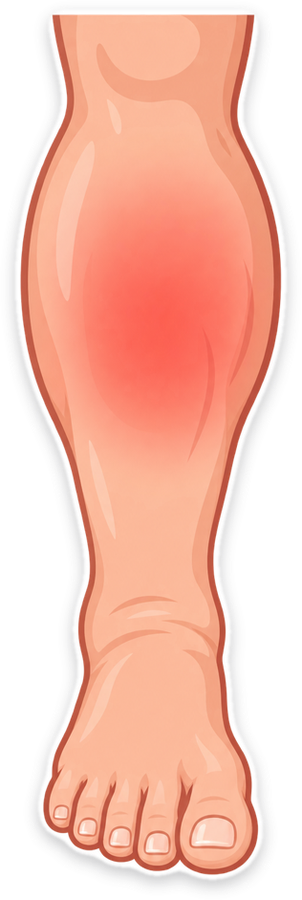
- DVT cues: unilateral calf swelling, warmth, tenderness, or redness; do not massage.
- Teach early ambulation, hydration, and reporting chest pain or shortness of breath.
Mood And Discharge Teaching
- Baby blues usually begin in the first week and improve within about 2 weeks.
- Postpartum depression lasts longer, impairs function, or includes hopelessness, bonding difficulty, or intrusive thoughts.
- Postpartum psychosis is an emergency: hallucinations, delusions, severe confusion, or thoughts of harming self or baby.
- Teach pelvic rest and follow-up instructions per provider, warning signs, contraception options, and breastfeeding or formula-feeding support.
Key nursing points
- BUBBLE-HE: Breasts, Uterus, Bladder, Bowel, Lochia, Episiotomy, Homans', Emotions.
- Uterus: firm, midline at umbilicus after delivery; descends 1 cm/day.
- Lochia: rubra (1–3 d) → serosa (3–10 d) → alba (to 6 wks).
- Baby blues: day 3–5, short-lived. Postpartum depression: > 2 weeks, needs treatment.
- Mastitis: continue breastfeeding + antibiotics.
EXAM TRAPCommon exam trapA boggy (soft), displaced uterus after delivery → massage the fundus, then assess the bladder (a full bladder is the most common cause of uterine displacement). If still boggy after voiding, notify provider.
Test yourself

Pick your answer first, then open the rationale. Guessing teaches nothing.
In one line
BUBBLE-HE guides postpartum assessment — know the findings that are normal vs. reportable in the first hours and days after delivery.
— 9 —