Postpartum Hemorrhage (PPH)
Excessive blood loss after birth (>500 mL vaginal / >1,000 mL C-section). 4 T's: Tone, Trauma, Tissue, Thrombin — uterine atony is #1 cause.
- Lesson 2 of 16
- 8 min read
Mnemonic · 4 T's
4 T's
- TTone
- TTrauma
- TTissue
- TThrombin
Overview
Nursing care is rapid, hands-on, and team-based — maternal shock can develop quickly because tachycardia precedes the BP drop.
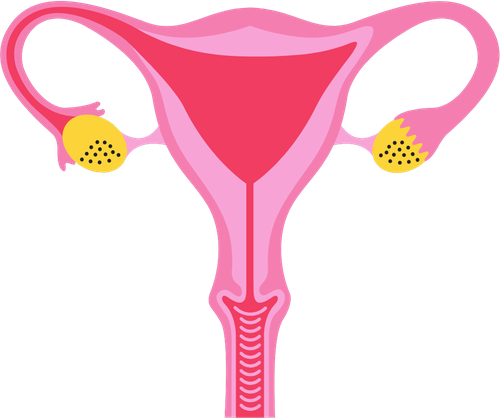
4 T's of PPH
The 4 T's framework keeps postpartum hemorrhage assessment organized during a high-stress emergency.
- TONE (uterine atony — #1 cause, 70–80%): uterus fails to contract after delivery → boggy, soft uterus. First action: fundal massage. Empty bladder (full bladder displaces uterus upward and prevents contraction).
- TRAUMA (lacerations — #2): cervical, vaginal, or perineal lacerations. Key sign: FIRM fundus + bright-red continued bleeding. Fundal massage will not help — provider inspects birth canal and repairs laceration.
- TISSUE (retained placenta): placental fragments prevent uterine closure. Fundus may be boggy or firm. Manual extraction or curettage required.
- THROMBIN (coagulopathy): DIC, pre-existing clotting disorder, or massive blood loss → clotting failure. Treat with blood products (FFP, platelets, cryoprecipitate).
Oxytocin vs Methylergonovine vs Misoprostol
The nurse must know which medication is first line and which is unsafe for a specific patient.
Common postpartum hemorrhage uterotonics
| Drug | Route | Onset | Use | Contraindication |
|---|---|---|---|---|
| Oxytocin | IV infusion or IM | Rapid IV; several minutes IM | First-line uterotonic for uterine atony and routine active management of third stage | Use caution with fluid overload; monitor for tachysystole if antepartum/intrapartum |
| Methylergonovine (Methergine) | IM only | 2-5 min | Second-line for atony not responding to oxytocin | Hypertension, preeclampsia, vascular disease |
| Misoprostol | Rectal, sublingual, buccal, oral per protocol | Variable; often minutes to under 1 hr | Adjunct uterotonic, useful when injection access/resources limited | Caution with fever/chills; allergy to prostaglandins |
Assessment & Diagnosis
Weigh pads and drapes when possible: 1 g weight gain equals about 1 mL blood.
Shock may be present before hypotension appears.
- Quantify blood loss rather than estimating visually when possible; weigh pads (1 g ≈ 1 mL blood).
- Assess fundal tone, location, lochia amount, clots, bladder distension, lacerations, placenta completeness, and vital signs.
- Labs: CBC, type & crossmatch, coagulation studies, and fibrinogen if DIC is suspected.
- Early shock: tachycardia and anxiety come BEFORE hypotension. Monitor HR closely — BP drop is a late sign.
Fundal Assessment Technique
Fundal assessment is both diagnostic and therapeutic.
- Support the lower uterine segment during massage to reduce risk of uterine inversion.
- If fundus is boggy, massage until firm and reassess lochia.
- If fundus is firm but bleeding continues, suspect laceration, retained tissue, or coagulopathy.
Nursing Management
Postpartum hemorrhage management is simultaneous assessment and resuscitation.
- Assess uterine tone q15 min × 1 hr, then q30 min × 1 hr, then q1h. Fundus should be firm, midline, at level of umbilicus.
- Stay with the patient, activate obstetric hemorrhage protocol, and obtain large-bore IV access × 2.
- Administer uterotonics as ordered: oxytocin (first-line), methylergonovine (avoid in HTN), carboprost (avoid in asthma), or misoprostol.
- Prepare IV fluids, blood products, uterine tamponade, manual placenta removal, or surgery if bleeding persists.
- Position: supine or slight Trendelenburg if hemorrhaging — legs elevated preserves cerebral perfusion.
- Monitor BP, HR, SpO2, mental status, urine output, skin signs, and lab trends continuously.
Monitoring & Documentation (BUBBLE-HE)
BUBBLE-HE turns postpartum checks into a repeatable safety scan.
- BUBBLE-HE postpartum check (Stage 4 recovery): Breasts, Uterus (firm? height? midline?), Bladder (voiding? distension?), Bowel, Lochia (color? amount? clots?), Episiotomy/lacerations, Homans sign (DVT), Emotions.
- Lochia: rubra (red, days 1–3), serosa (pink/brown, days 4–10), alba (white/yellow, days 10–28). Foul odor or sudden heavy flow = call provider.
- Weigh pads to quantify blood loss: 1 g weight = approximately 1 mL blood.
Patient Teaching
Discharge teaching matters because delayed hemorrhage can occur after the patient leaves the hospital.
- Report soaking a pad in an hour or less, passing large clots, dizziness, faintness, palpitations, or increasing pelvic pain.
- Keep the bladder empty — a full bladder can displace the uterus and worsen atony.
- Fundal massage can be uncomfortable but helps the uterus contract and reduce bleeding.
- Delayed PPH can occur after discharge; report any heavy bleeding, foul-smelling discharge, or fever to the provider.
Complications
Ongoing blood loss reduces oxygen delivery to the brain, kidneys, heart, and pituitary before the blood pressure necessarily falls.
- Hypovolemic shock, DIC, anemia, transfusion need, hysterectomy, Sheehan syndrome (hypopituitarism from pituitary ischemia), organ failure, and maternal death.
- Delayed PPH can occur after discharge, often related to retained tissue or infection.
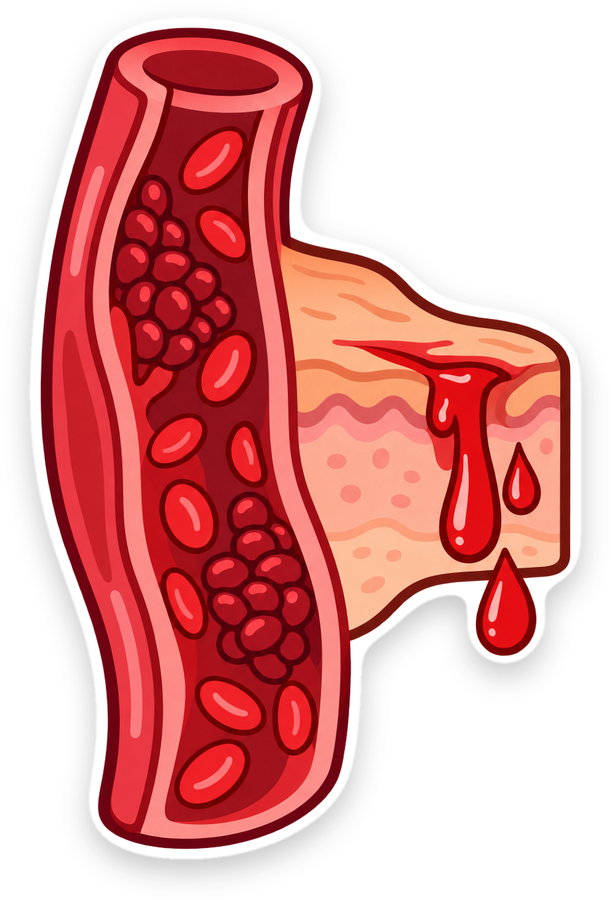
The 4 T's of Postpartum Hemorrhage
| Tone (Uterine Atony - 80%) | Tissue / Trauma / Thrombin (20%) | |
|---|---|---|
| Definition | Uterus fails to contract and compress placental vessels after delivery. | Tissue: retained placenta/fragments. Trauma: laceration/hematoma/rupture. Thrombin: coagulopathy or DIC. |
| Assessment finding | Boggy, soft, enlarged, or displaced uterus with heavy lochia/clots. | Firm fundus with persistent bright-red bleeding suggests trauma; missing placental fragments suggest tissue; oozing from sites suggests thrombin. |
| Treatment | Fundal massage and oxytocin first line; methylergonovine if no HTN; misoprostol; balloon tamponade/B-Lynch; hysterectomy last resort. | Remove retained tissue, repair lacerations, evacuate hematoma, replace clotting factors/blood products. |
| Key nursing action | Massage fundus, empty bladder, quantify blood loss, give uterotonics, activate hemorrhage protocol. | Do not keep massaging a firm uterus; call provider, prepare repair/removal/blood products. |
Nursing priorities
- 1. Assess fundus q15 min x 1 hr, q30 min x 1 hr, then q1h x 2 hrs. — Early postpartum uterine tone changes are the most common warning sign for hemorrhage.
- 2. Activate emergency response for blood loss >500 mL vaginal or >1000 mL C-section, or earlier with instability. — PPH can progress to shock before hypotension appears.
- 3. Establish two large-bore IVs, type and crossmatch, and prepare for transfusion. — Rapid volume and blood product replacement may be lifesaving.
Key nursing points
- 4 T's: Tone (uterine atony — 70–80%), Trauma (lacerations), Tissue (retained placenta), Thrombin (coagulopathy).
- Boggy fundus + heavy lochia → massage the fundus first, then empty the bladder.
- Firm fundus with continued bright-red bleeding → suspect laceration or retained tissue, NOT atony.
- Oxytocin (Pitocin): first-line uterotonic. Methylergonovine (Methergine): avoid in hypertension. Carboprost (Hemabate): avoid in asthma.
- Saturating a pad in <15 minutes or large clots is excessive; report immediately.
- Early shock signs: tachycardia, anxiety, pallor, decreased urine output — hypotension is a LATE sign.
- BUBBLE-HE postpartum check: Breasts, Uterus, Bladder, Bowel, Lochia, Episiotomy, Homans, Emotions.
Test yourself

Pick your answer first, then open the rationale. Guessing teaches nothing.
Excessive blood loss after birth (>500 mL vaginal / >1,000 mL C-section). 4 T's: Tone, Trauma, Tissue, Thrombin — uterine atony is #1 cause.
— 2 —