Preeclampsia & HELLP
Preeclampsia is abnormal placentation with vasospasm, hypertension, proteinuria, and end-organ injury after 20 weeks.
- Lesson 1 of 16
- 8 min read
Mnemonic · HELLP
HELLP
- HHemolysis
- ELElevated Liver enzymes
- LPLow Platelets
Overview
Magnesium sulfate prevents seizures; delivery of the fetus and placenta is the only cure.

Pathophysiology
Abnormal placentation leads to endothelial dysfunction, widespread vasospasm, and reduced organ perfusion.
- Liver: RUQ or epigastric pain can signal hepatic swelling, elevated liver enzymes, or HELLP.
- Brain: headache, visual changes, hyperreflexia, clonus, and seizures reflect CNS irritability.
- Kidneys: proteinuria, oliguria, and rising creatinine show renal involvement.
- Coagulation: HELLP syndrome causes hemolysis, elevated liver enzymes, and low platelets.
Diagnostic Criteria
Diagnosis is not just a blood pressure number; it is a maternal safety screen for organ injury.
- Preeclampsia: BP >=140/90 on two readings at least 4 hours apart after 20 weeks plus proteinuria or end-organ findings.
- Severe-range BP: >=160 systolic or >=110 diastolic requires timely treatment to prevent maternal stroke.
- Severe features include persistent headache, visual symptoms, RUQ/epigastric pain, platelets <100,000, creatinine >1.1 or doubling baseline, pulmonary edema, or elevated LFTs.
- Eclampsia is new-onset seizure in a patient with preeclampsia when no other cause explains it.
HELLP Syndrome
A patient may look generally unwell before classic dramatic bleeding appears.
- Assess RUQ/epigastric pain, nausea/vomiting, malaise, headache, bruising, bleeding, and worsening edema.
- Trend platelets, AST/ALT, LDH, bilirubin, creatinine, urine output, coagulation studies, and fetal status.
- Prepare for delivery and blood products if platelets or bleeding risk worsens.
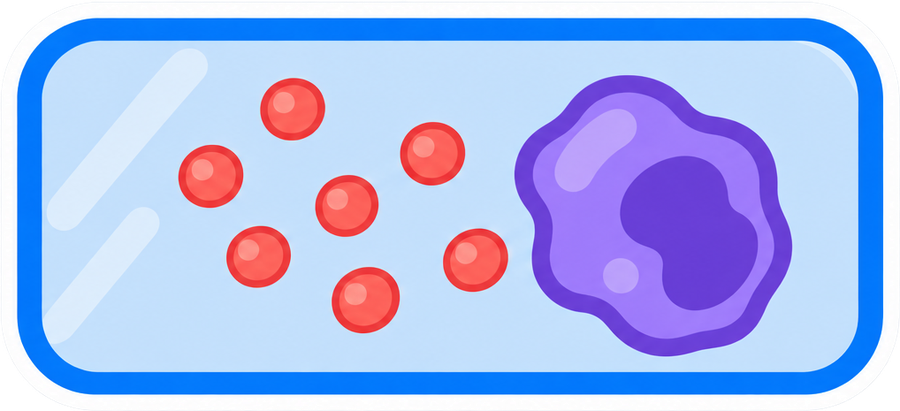
HELLP Mnemonic
HELLP is easy to miss because early symptoms can look like flu, reflux, or normal pregnancy discomfort.
Magnesium Sulfate Protocol
Magnesium sulfate depresses neuromuscular transmission enough to prevent seizures, so toxicity shows up first as loss of reflexes and respiratory depression.
Magnesium sulfate safety checks
| Parameter | Goal | Action if abnormal |
|---|---|---|
| Serum Mg level | 4-7 mEq/L | >7 mEq/L: hold dose/infusion and notify provider |
| DTRs | Present | Absent: hold magnesium, notify provider, prepare antidote |
| Respiratory rate | >=12/min | <12/min: hold magnesium, give oxygen, prepare antidote |
| Urine output | >25 mL/hr | <25 mL/hr: hold magnesium and notify provider |
| Antidote | Calcium gluconate available | Give calcium gluconate 1 g IV over 3 min per order/protocol |
Nursing Environment
Preeclampsia care reduces seizure triggers while maintaining rapid access to emergency equipment.
- Dim lighting helps photophobia and reduces stimulation.
- Keep the room quiet; cluster care and minimize visitors/stressors.
- Maintain seizure precautions: padded rails, oxygen and suction at bedside, IV access patent.
- Position left lateral when possible to improve uteroplacental blood flow.
- Do not leave the patient alone if severe features, magnesium toxicity, or seizure risk is present.

Nursing priorities
- 1. Assess DTRs, respiratory rate, and urine output before every magnesium sulfate dose or rate continuation. — Loss of reflexes, RR <12, or oliguria can signal magnesium toxicity.
- 2. Keep calcium gluconate 1 g IV available at bedside. — Calcium gluconate reverses life-threatening magnesium toxicity effects.
- 3. Prepare for delivery planning or emergency delivery if maternal/fetal status worsens. — Delivery of the fetus and placenta is the only definitive cure.
Key nursing points
- Patho: abnormal placentation -> endothelial dysfunction -> vasospasm -> HTN, proteinuria, and end-organ damage.
- Severe features: BP >=160/110, headache, visual changes, RUQ/epigastric pain, low platelets, elevated LFTs, rising creatinine, pulmonary edema.
- HELLP: Hemolysis, Elevated Liver enzymes, Low Platelets; RUQ pain, nausea, malaise, bruising are red flags.
- Magnesium sulfate prevents eclamptic seizures; it does not treat hypertension.
- Check DTRs, respiratory rate, and urine output before every magnesium dose/rate continuation.
- Calcium gluconate is the antidote for magnesium toxicity and must be available at bedside.
- Delivery is definitive treatment; timing depends on maternal/fetal stability and gestational age, but HELLP may require delivery regardless of gestational age.
Test yourself

Pick your answer first, then open the rationale. Guessing teaches nothing.
Preeclampsia is abnormal placentation with vasospasm, hypertension, proteinuria, and end-organ injury after 20 weeks.
— 1 —