Polycythemia Vera
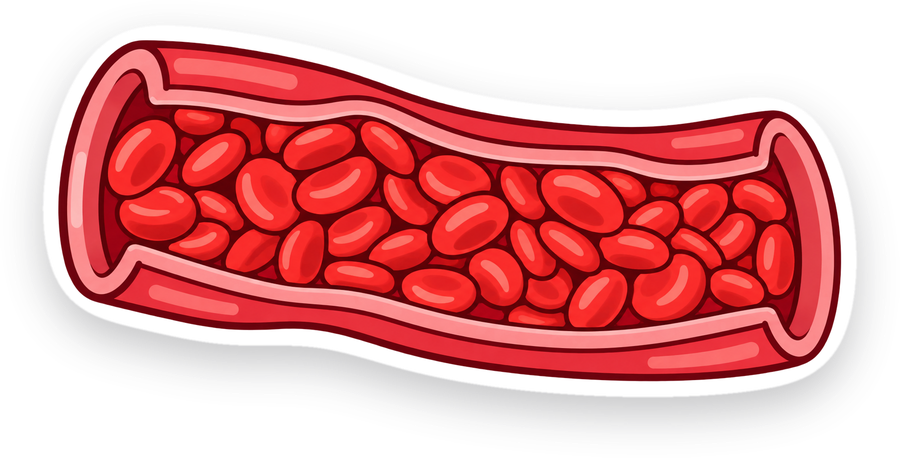
Too many RBCs → hyperviscous blood → clot risk. Classic: ruddy face, pruritus after shower.
- Lesson 6 of 8
- 4 min read
Overview
Classic symptom: pruritis after warm bath/shower (histamine release from basophils).
Pathophysiology
Polycythemia vera is a myeloproliferative neoplasm, often associated with JAK2 mutation, that causes excess red blood cell production and often increased platelets or WBCs.
- Primary PV is marrow overproduction; secondary polycythemia is driven by chronic hypoxia or excess erythropoietin.
- The major cause of morbidity and mortality is thrombosis: stroke, MI, DVT, PE, or microvascular symptoms.
Assessment Cues
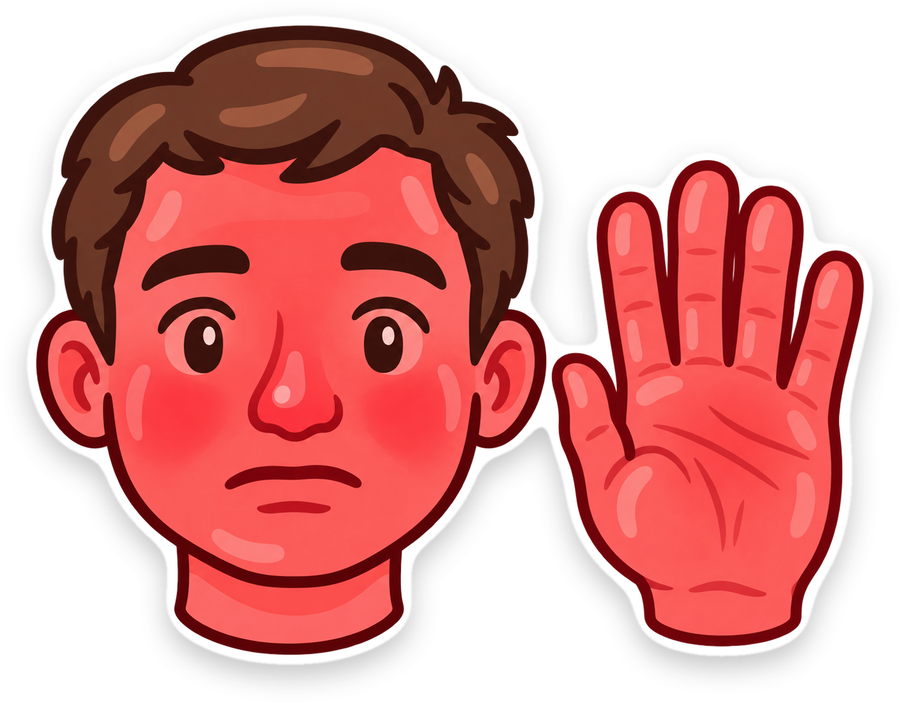
- Ruddy complexion, conjunctival redness, headache, dizziness, blurred vision, tinnitus, and fatigue.
- Aquagenic pruritus: itching after warm bath or shower.
- Erythromelalgia: burning pain and redness in hands or feet from microvascular platelet plugging.
- Splenomegaly, gout symptoms, hypertension, and clot or bleeding symptoms can occur.
Treatment and Nursing Actions
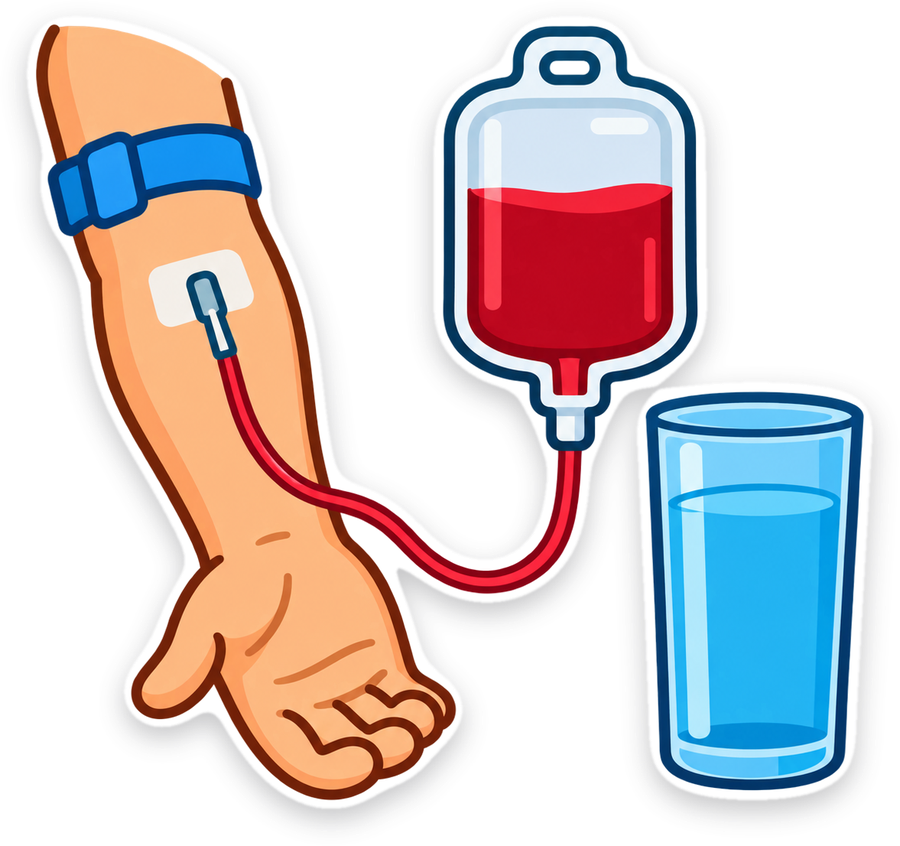
Therapy reduces viscosity and prevents thrombosis. Nursing care focuses on phlebotomy tolerance, hydration, clot assessment, and medication safety.
- Therapeutic phlebotomy lowers hematocrit; monitor BP, dizziness, and hydration status.
- Low-dose aspirin may be used when not contraindicated to reduce platelet-mediated symptoms and thrombosis risk.
- Hydroxyurea may be prescribed for high-risk patients; monitor CBC and infection or bleeding signs.
- Encourage fluids and ambulation unless contraindicated.
Teaching and Traps
NCLEX tipNCLEX trap: itching after a hot shower plus high hemoglobin/hematocrit is classic for polycythemia vera.
- Report unilateral leg swelling, chest pain, shortness of breath, sudden weakness, speech change, or vision loss.
- Avoid dehydration, prolonged immobility, and very hot showers if they trigger pruritus.
- Do not take iron supplements unless specifically ordered; iron can fuel more RBC production in PV.
- Keep follow-up labs because symptom improvement does not guarantee safe hematocrit.
Key nursing points
- JAK2 mutation → uncontrolled RBC proliferation.
- Hgb > 16.5 g/dL (men) or > 16 g/dL (women), elevated Hct.
- Symptoms: ruddy complexion, headache, visual disturbances, pruritis after hot shower.
- Thrombosis: DVT, PE, stroke, MI — leading cause of death.
- Treatment: phlebotomy (therapeutic) 500 mL weekly until Hct < 45%; aspirin; hydroxyurea for high-risk.
- Encourage hydration: dilutes viscous blood, reduces clot risk.
EXAM TRAPCommon exam trapPruritis (itching) after a hot shower in a patient with elevated Hgb/Hct = classic polycythemia vera. The treatment is PHLEBOTOMY — removing blood. Do not confuse with iron-deficiency anemia where you ADD iron.
Test yourself

Pick your answer first, then open the rationale. Guessing teaches nothing.
In one line
Too many RBCs → hyperviscous blood → clot risk. Classic: ruddy face, pruritus after shower.
— 6 —