Thrombocytopenia
Platelets <150,000/µL. Bleeding risk rises sharply below 50,000.
- Lesson 2 of 8
- 5 min read
Side by side
HIT vs ITP
- Antibodies form after heparin exposure and activate platelets.
- Autoimmune platelet destruction, often after viral illness or idiopathic.
- Platelets drop by 50% or more, often 5-10 days after heparin start.
- Often isolated thrombocytopenia; can be very low.
- High paradoxical thrombosis risk despite low platelets.
- Bleeding risk predominates; clotting is not the defining risk.
- Stop all heparin and switch to a non-heparin anticoagulant such as argatroban.
- Corticosteroids, IVIG, rituximab, thrombopoietin agonists, or splenectomy for refractory cases.
Overview
Causes: ITP (immune destruction), chemotherapy, leukemia, HIT (heparin-induced), DIC. Symptoms: petechiae, ecchymosis, gum bleeding, epistaxis, prolonged bleeding from cuts.
Causes & Classification
Thrombocytopenia has three broad mechanisms: the marrow does not make enough platelets, platelets are destroyed or consumed too quickly, or the spleen sequesters them.
- Decreased production: bone marrow suppression from chemotherapy, leukemia, aplastic anemia, viral infection (HIV, EBV), B12/folate deficiency.
- Increased destruction — Immune: ITP (idiopathic thrombocytopenic purpura — autoantibodies against platelets, treat with corticosteroids/IVIG), HIT (heparin-induced).
- Increased destruction — Non-immune: DIC (disseminated intravascular coagulation), TTP, HUS.
- HIT (Heparin-Induced Thrombocytopenia): immune-mediated; platelets drop ≥50% from baseline 5–10 days after heparin start. Paradoxical CLOTTING (not bleeding) — stop all heparin, use direct thrombin inhibitor (argatroban).

Bleeding Risk Thresholds
A stable patient at 70,000 may need precautions only, while a patient with active bleeding, head trauma, sepsis, DIC, anticoagulants, or an invasive procedure needs faster escalation.
- <150,000/µL: thrombocytopenia — may be asymptomatic if mild.
- <50,000/µL: clinically significant — institute bleeding precautions.
- <20,000/µL: risk of spontaneous bleeding — may require platelet transfusion.
- <10,000/µL: risk of spontaneous intracranial hemorrhage — platelet transfusion almost always indicated.
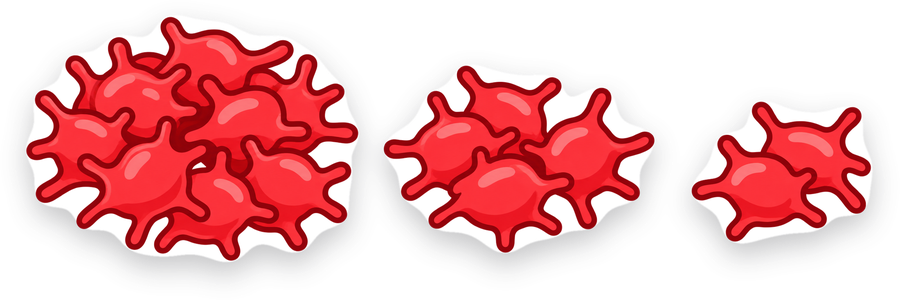
Nursing Management: Bleeding Precautions
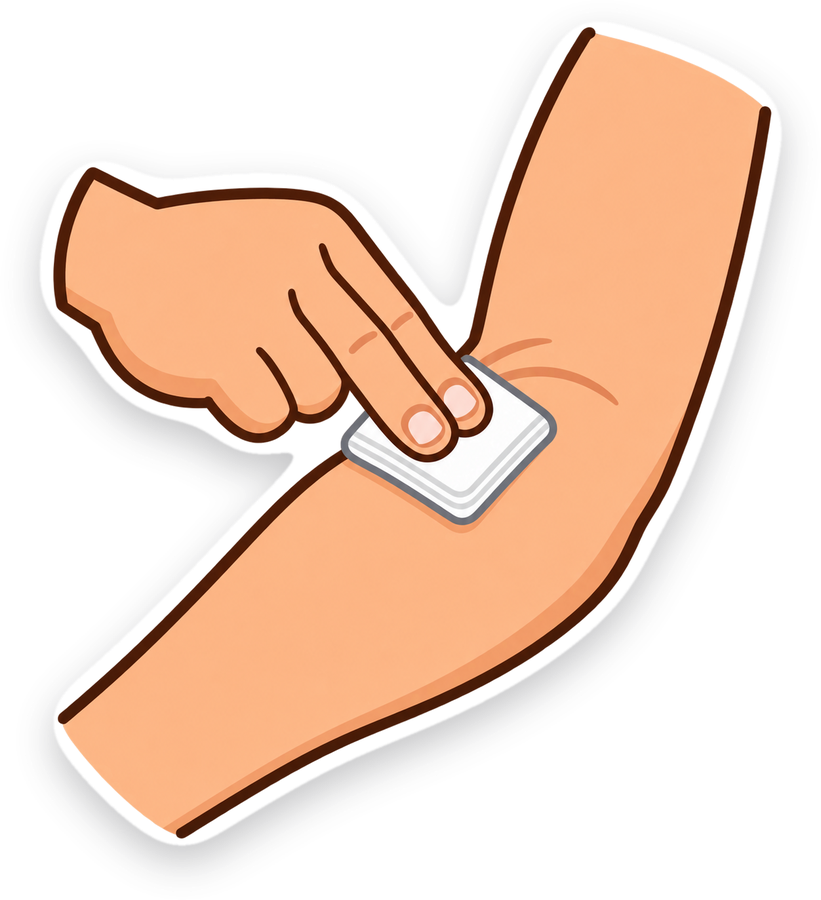
The nurse should prevent trauma, avoid rectal and IM routes when possible, hold unsafe antiplatelet drugs unless specifically ordered, and apply longer pressure after venipuncture.
- Soft-bristled toothbrush, electric razor only, avoid sharp objects and vigorous blowing.
- No IM injections, no rectal suppositories/temperatures, avoid enemas.
- Avoid aspirin, NSAIDs, and anticoagulants (all impair platelet function).
- Apply prolonged pressure (5–10 min) to venipuncture sites. Assess for petechiae, ecchymosis, epistaxis, gum bleeding, hematuria, tarry stools.
- Pad bed rails if fall risk or actively confused. Fall prevention with assistive devices.
- Teach patient/family to report unusual bruising, blood in urine/stool, prolonged bleeding.

TTP Emergency
Platelets can worsen microvascular clotting unless there is life-threatening bleeding and a specialist specifically directs transfusion.
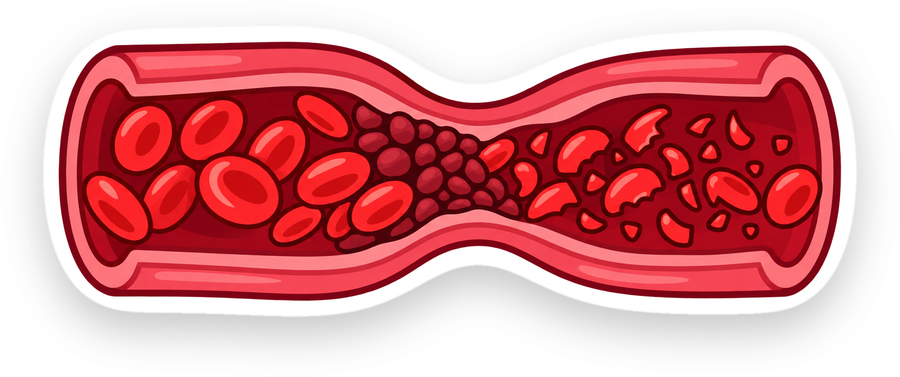
Bleeding Precautions by Platelet Count
As counts fall below 50,000, activity and procedure risk matter more; below 20,000, spontaneous bleeding becomes a major concern; below 10,000, intracranial hemorrhage prevention becomes the priority unless the low count is from a clotting syndrome such as HIT or TTP.
| Platelet count | Risk | Nursing actions |
|---|---|---|
| > 100k | Minimal | Routine monitoring and teach patient to report unusual bleeding. |
| 50-100k | Minor risk | Avoid IM injections when possible and use a soft toothbrush. |
| 20-50k | Moderate | Limit high-risk activities, avoid NSAIDs, use electric razor, apply prolonged pressure after sticks. |
| < 20k | High | Strict bleeding precautions, avoid invasive procedures, monitor for intracranial bleed symptoms. |
| < 10k | Critical | Consider prophylactic platelet transfusion threshold unless contraindicated by HIT/TTP context. |
HIT vs ITP
| HIT (Heparin-Induced) | ITP (Immune Thrombocytopenic Purpura) | |
|---|---|---|
| Cause | Antibodies form after heparin exposure and activate platelets. | Autoimmune platelet destruction, often after viral illness or idiopathic. |
| Platelet count | Platelets drop by 50% or more, often 5-10 days after heparin start. | Often isolated thrombocytopenia; can be very low. |
| Clot risk | High paradoxical thrombosis risk despite low platelets. | Bleeding risk predominates; clotting is not the defining risk. |
| Treatment | Stop all heparin and switch to a non-heparin anticoagulant such as argatroban. | Corticosteroids, IVIG, rituximab, thrombopoietin agonists, or splenectomy for refractory cases. |
| Key nursing action | Stop heparin immediately, including flushes, and do not give platelets routinely. | Institute bleeding precautions and prepare platelet transfusion only if severe bleeding or very low count per order. |
Nursing priorities
- 1. Stop heparin immediately if HIT is suspected and anticipate argatroban or lepirudin. — HIT is a clotting emergency; continued heparin can trigger thrombosis.
- 2. Avoid platelet transfusions in TTP and HIT unless specifically ordered for life-threatening bleeding; use platelets for ITP when < 10k or actively bleeding per order. — Platelets can worsen clotting in HIT/TTP but may be lifesaving in severe bleeding ITP.
- 3. Inspect skin daily for petechiae and ecchymosis and document distribution. — Petechiae are 1-3 mm flat red spots that can reveal worsening thrombocytopenia or bleeding risk.
Key nursing points
- <50,000: bleeding precautions. <20,000: spontaneous bleeding. <10,000: ICH risk.
- Soft toothbrush, electric razor, no IM injections, avoid NSAIDs and aspirin.
- HIT: stop heparin immediately, switch to argatroban.
- Platelet transfusion if symptomatic or <10,000.
Test yourself

Pick your answer first, then open the rationale. Guessing teaches nothing.
Platelets <150,000/µL. Bleeding risk rises sharply below 50,000.
— 2 —