Hypothyroidism
Low thyroid hormone slows metabolism: fatigue, weight gain, cold intolerance, bradycardia, constipation, and dry skin.
- Lesson 4 of 7
- 7 min read
Overview
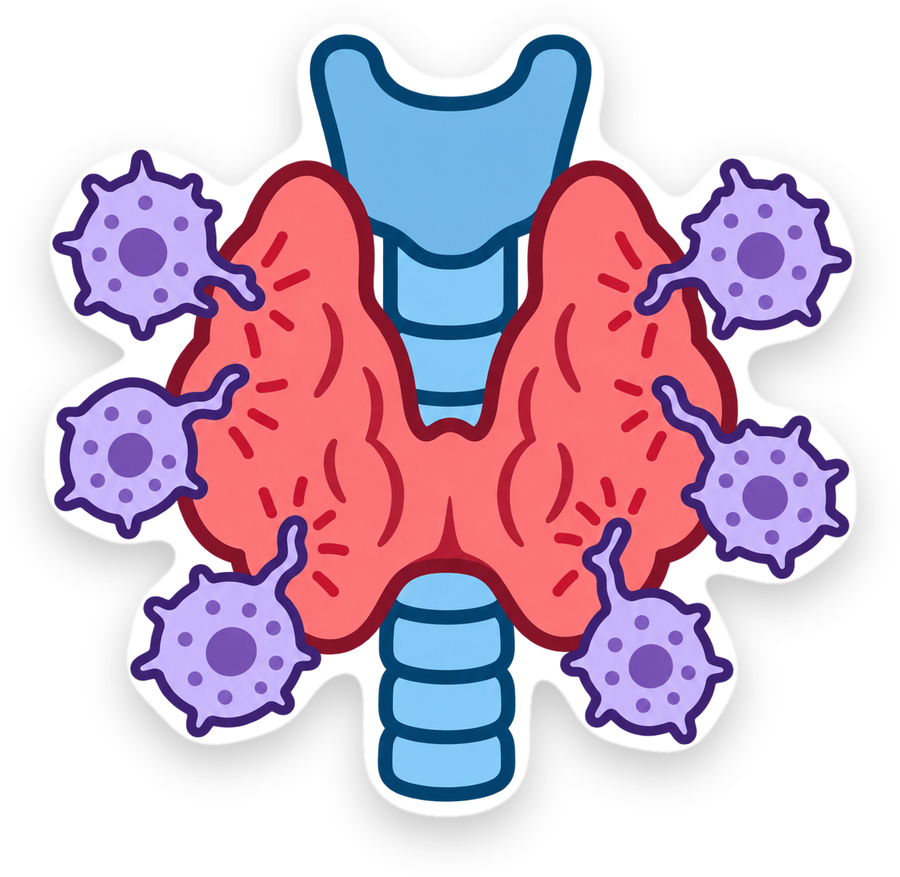
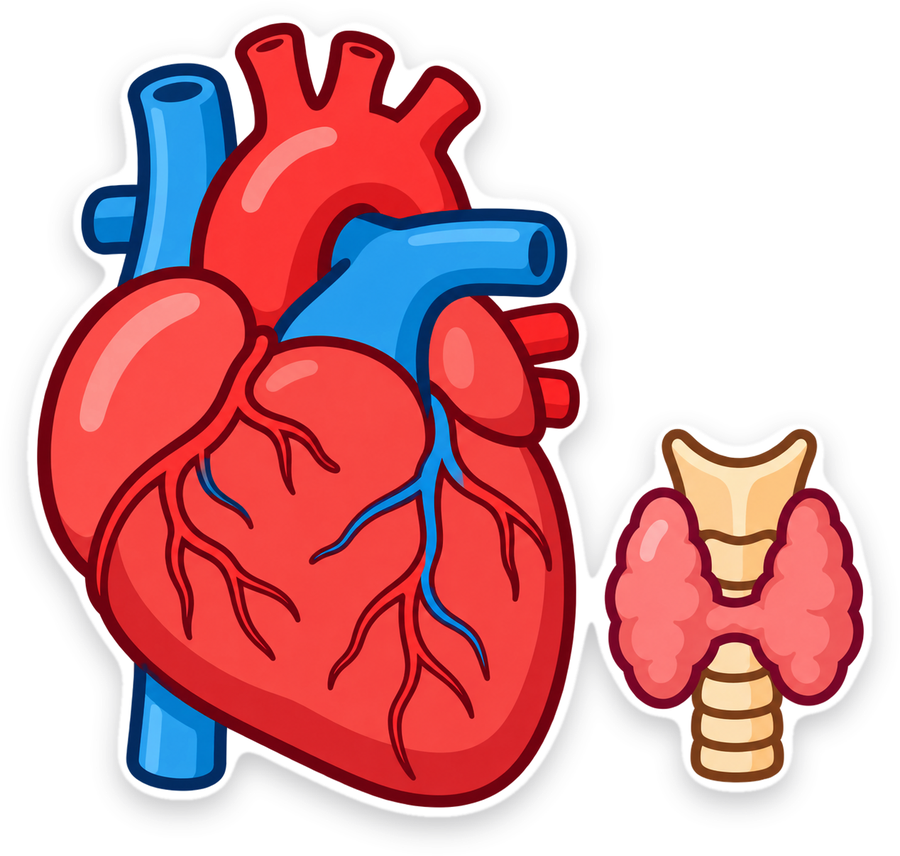
Hashimoto's thyroiditis is the most common primary cause, where autoimmune destruction of the thyroid lowers T3/T4 and raises TSH.
Hashimoto's Pathophysiology
Primary hypothyroidism begins in the thyroid gland.
- Common risk factors include female sex, family history of autoimmune disease, iodine imbalance, prior thyroid surgery, and neck radiation.
- Low thyroid hormone slows metabolic processes across cardiac, neurologic, GI, skin, and reproductive systems.
- Symptoms often develop gradually, so patients may normalize fatigue, cold intolerance, constipation, and weight gain.
Assessment Findings
The clinical concern is not only discomfort but also bradycardia, hypoventilation, hyponatremia, and impaired mental status in severe disease.
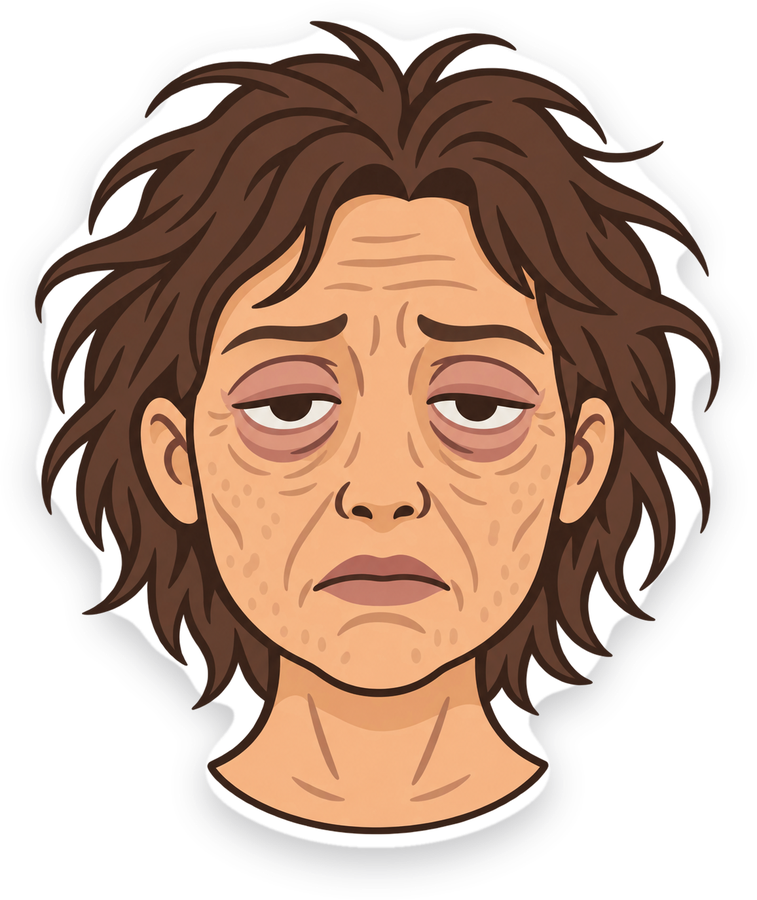
- Fatigue, depression, slowed speech, memory issues, and decreased concentration.
- Cold intolerance, weight gain, constipation, dry skin, hair loss, brittle nails, and hoarse voice.
- Bradycardia, low exercise tolerance, periorbital puffiness, and nonpitting myxedema.
- Menstrual irregularities and infertility may occur.
Diagnostics
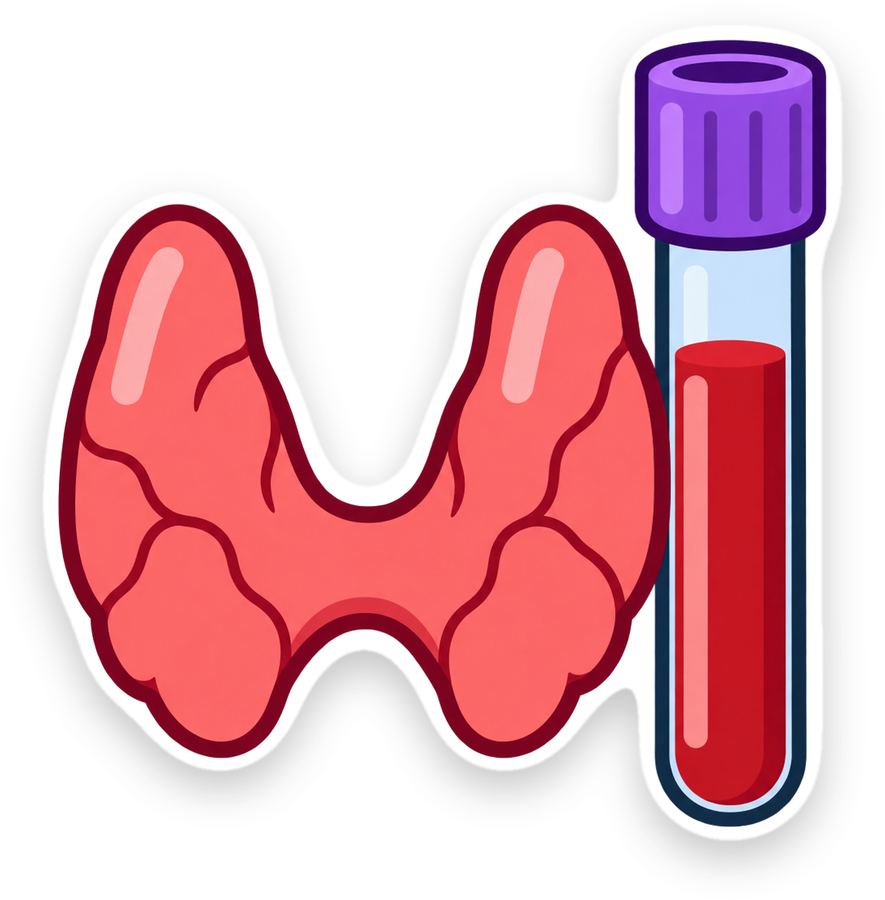
TSH and free T4 drive diagnosis and dose titration.
- Primary hypothyroidism: TSH elevated, free T4 low.
- Hashimoto's: anti-thyroid peroxidase antibodies may be positive.
- Monitor sodium, glucose, ABG, temperature, and cardiac rhythm if myxedema coma is suspected.
Treatment
Levothyroxine replaces T4 and is usually lifelong.
- Take levothyroxine on an empty stomach 30-60 minutes before breakfast with water.
- Separate calcium, iron, antacids, sucralfate, and cholestyramine by at least 4 hours.
- TSH is typically rechecked after dose changes because normalization takes weeks.
- Do not stop therapy when symptoms improve; stopping causes relapse.

Myxedema Coma
Myxedema coma is severe hypothyroidism with decompensation, often triggered by infection, cold exposure, sedatives, trauma, or missed therapy.
- Findings: hypothermia, bradycardia, hypotension, hypoventilation, hyponatremia, hypoglycemia, and stupor/coma.
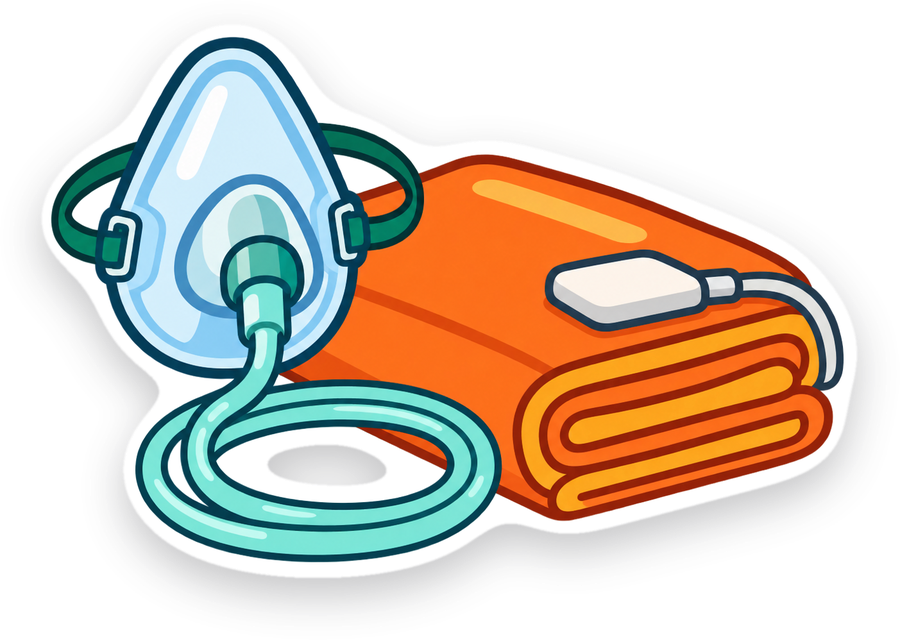
- Treatment: airway/ventilation support, IV levothyroxine, stress-dose corticosteroids, passive warming, fluids, and trigger management.
- Avoid aggressive active rewarming unless ordered because vasodilation can worsen hypotension.
Patient Teaching
Medication timing is the most common reason for unstable thyroid levels.
- Take the medication consistently every day and do not switch brands without provider awareness.
- Report palpitations, chest pain, tremor, sweating, insomnia, or unexplained weight loss as possible over-replacement.
- Tell providers about thyroid replacement before surgery or hospitalization.
- Pregnancy usually increases dose needs; notify the provider promptly if pregnant.
Complications
Untreated hypothyroidism affects more than energy level.
- Myxedema coma, dyslipidemia, coronary artery disease worsening, infertility, depression, hyponatremia, and medication over-replacement.
- Untreated congenital hypothyroidism can cause irreversible developmental delay, making newborn screening essential.
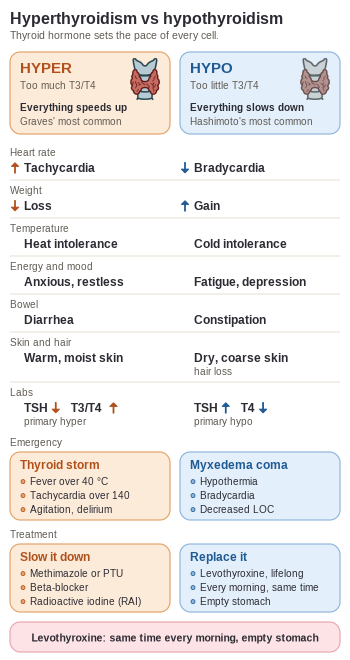
Hypothyroidism vs Hyperthyroidism
| Hypothyroidism | Hyperthyroidism | |
|---|---|---|
| Metabolism | Slow metabolism • Weight gain, cold intolerance, fatigue | Fast metabolism • Weight loss, heat intolerance, tremor |
| Heart rate | Bradycardia • Low activity tolerance | Tachycardia • Palpitations and dysrhythmia risk |
| Labs | Primary: TSH high, free T4 low | Primary: TSH low, T3/T4 high |
| Crisis | Myxedema coma: hypothermia, bradycardia, decreased LOC | Thyroid storm: fever, tachycardia, agitation, diaphoresis |
| Treatment | Levothyroxine replacement | Beta-blocker, methimazole/PTU, radioactive iodine, or surgery |
Diagnostic tests
| Test | Purpose | Normal | Abnormal | Nursing note |
|---|---|---|---|---|
| TSH | Primary screening and dose titration marker for primary hypothyroidism. | About 0.4-4.0 mIU/L | Elevated TSH suggests primary hypothyroidism; suppressed TSH can indicate over-replacement. | TSH changes slowly; teach patients that dose adjustments are usually reassessed after several weeks. |
| Free T4 | Measures circulating thyroid hormone available to tissues. | Lab-specific; commonly about 0.8-1.8 ng/dL | Low free T4 with high TSH supports primary hypothyroidism. | In severe illness or pituitary disease, interpret free T4 with provider guidance because TSH may be misleading. |
| Anti-thyroid Peroxidase Antibodies | Supports Hashimoto's autoimmune thyroiditis diagnosis. | Negative or low titer | Positive anti-TPO antibodies support autoimmune thyroid destruction. | Antibodies explain cause; treatment is still based on hormone replacement and clinical response. |
Nursing priorities
- 1. Assess for myxedema coma in severe hypothyroid symptoms. — Hypothermia, bradycardia, hypoventilation, and decreased LOC require emergency support.
- 2. Teach exact levothyroxine timing and interaction spacing. — Food, calcium, iron, and antacids can cause treatment failure by blocking absorption.
- 3. Monitor pulse and cardiac symptoms during dose changes. — Over-replacement can trigger tachycardia, angina, and dysrhythmias.
Key nursing points
- Hashimoto's thyroiditis is autoimmune destruction of the thyroid and the most common cause of primary hypothyroidism.
- Labs in primary hypothyroidism: high TSH with low free T4.
- Myxedema coma: hypothermia, bradycardia, hypotension, hypoventilation, hyponatremia, and decreased LOC.
- Levothyroxine is taken on an empty stomach 30-60 minutes before food, at the same time daily.
- Calcium, iron, antacids, bile-acid binders, and some tube feedings reduce levothyroxine absorption.
Test yourself

Pick your answer first, then open the rationale. Guessing teaches nothing.
Low thyroid hormone slows metabolism: fatigue, weight gain, cold intolerance, bradycardia, constipation, and dry skin.
— 4 —