Pituitary Disorders
Anterior pituitary controls growth, thyroid, adrenal cortex, gonads, and lactation; posterior pituitary releases ADH and oxytocin.
- Lesson 7 of 7
- 7 min read
Side by side
Acromegaly vs Gigantism
- Excess GH before epiphyseal growth plates close, usually pituitary adenoma
- Excess GH after epiphyseal growth plates close, usually pituitary adenoma
- Childhood or adolescence
- Adults, often diagnosed after years of gradual change
- Extreme linear height
- Enlarged hands and feet
- Delayed puberty, headaches, visual changes if adenoma compresses optic chiasm
- Enlarged hands, feet, jaw, tongue, and facial bones
- Coarse features, sleep apnea, carpal tunnel, sweating, hypertension, cardiomyopathy, insulin resistance
- Elevated IGF-1
- GH fails to suppress after oral glucose
- Pituitary MRI
- Elevated IGF-1
- GH fails to suppress after oral glucose
- Pituitary MRI; screen comorbidities such as glucose intolerance and colon polyps
Overview
The pituitary is the endocrine link between hypothalamic signals and target glands.
Pituitary Hormone Map
The pituitary links hypothalamic signals to target glands.
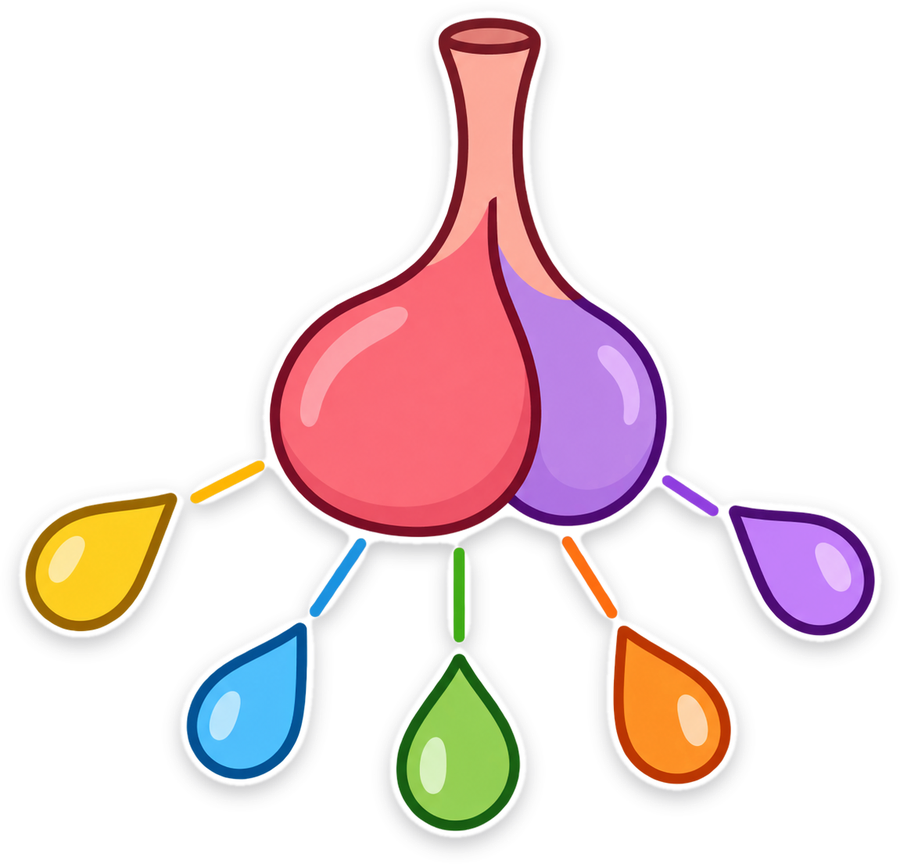
| Hormone | Main target | High-yield disorder |
|---|---|---|
| ACTH | Adrenal cortex | Excess causes Cushing disease; deficiency causes secondary adrenal insufficiency. |
| TSH | Thyroid | Excess or deficiency creates thyroid-pattern symptoms. |
| GH | Bone, muscle, liver | Excess causes gigantism before growth plates close and acromegaly after. |
| Prolactin | Breast and gonadal axis | Excess causes galactorrhea, amenorrhea, infertility, and low libido. |
| ADH | Kidney collecting ducts | Too much causes SIADH; too little or renal resistance causes DI. |
Mass Effect and Visual Cues
Pituitary adenomas can create symptoms from hormone secretion and from pressure in the sella turcica.
- Ask about headaches, vision changes, diplopia, loss of peripheral vision, menstrual changes, libido changes, and lactation.
- Bitemporal hemianopia suggests optic chiasm compression.
- Sudden severe headache, visual loss, ophthalmoplegia, or shock can suggest pituitary apoplexy and needs urgent escalation.
- Trend endocrine labs with symptoms; one abnormal hormone can affect multiple systems.
GH Excess and Prolactin Excess
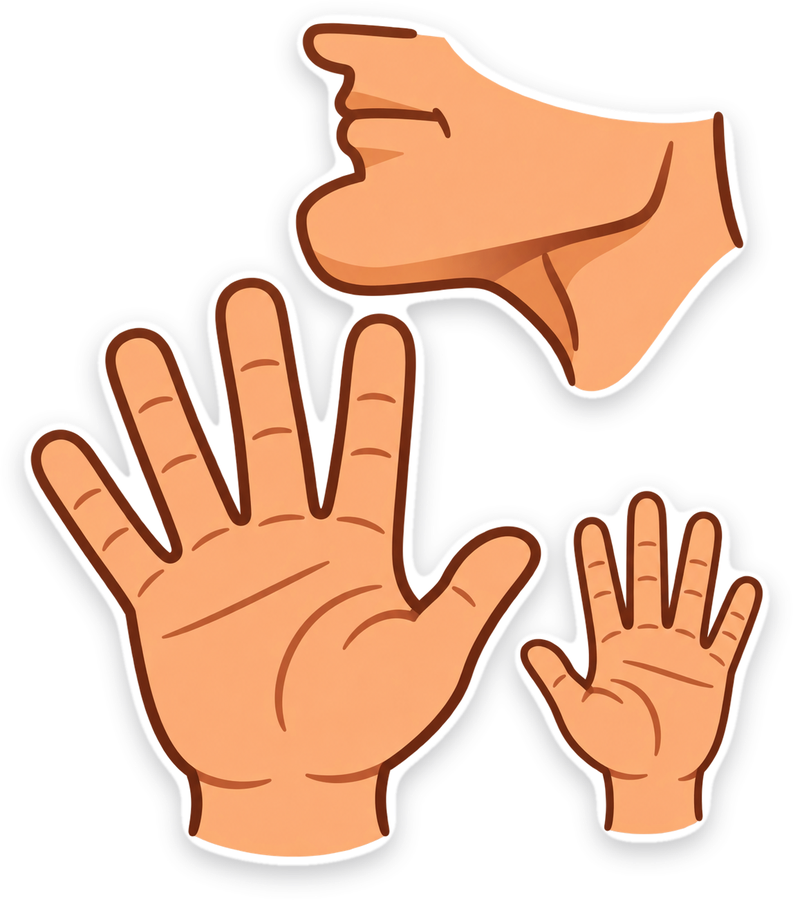
Growth hormone excess before epiphyseal plate closure causes gigantism; after closure it causes acromegaly.
- Acromegaly cues: increasing ring or shoe size, coarse facial features, jaw enlargement, sweating, sleep apnea, hypertension, insulin resistance, and carpal tunnel symptoms.
- GH excess is commonly evaluated with IGF-1 and failure of GH suppression after glucose testing.
- Prolactinoma cues: galactorrhea, amenorrhea, infertility, erectile dysfunction, low libido, and headaches.
- Medication safety: dopamine agonists may cause orthostatic hypotension, nausea, and impulse-control effects; teach slow position changes.
DI, SIADH, and Post-op Safety
Posterior pituitary problems are fluid-balance problems.
- DI cues: polyuria, polydipsia, low urine specific gravity, rising sodium, dehydration, tachycardia, and hypotension.
- SIADH cues: concentrated urine, low sodium, weight gain without edema, headache, confusion, seizures.
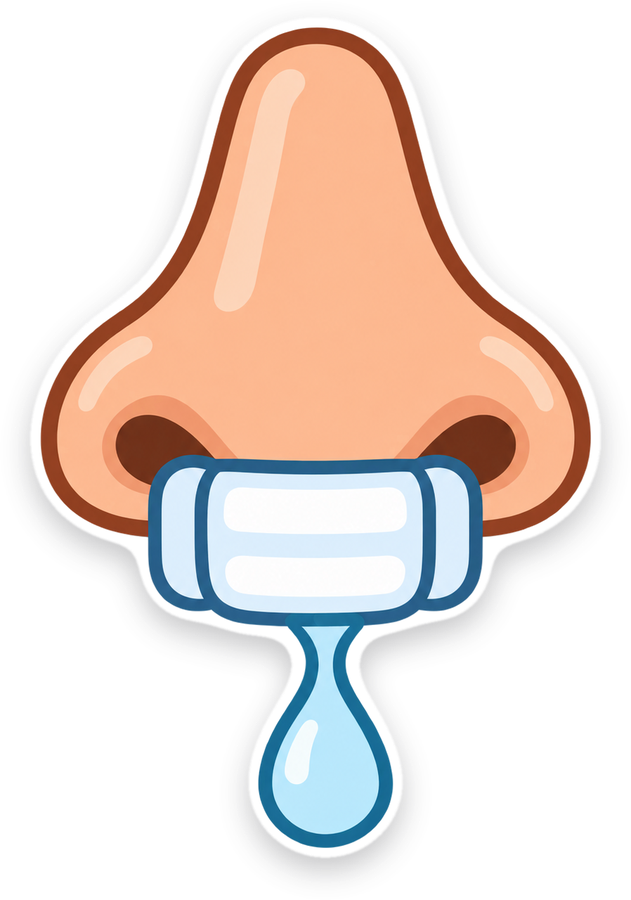
- After transsphenoidal surgery, report clear rhinorrhea, salty postnasal drainage, fever, meningitis signs, or sudden high urine output.
- Avoid coughing, sneezing with mouth closed, nose blowing, straining, and bending after transsphenoidal surgery when restricted.
Acromegaly vs Gigantism
| Gigantism (before growth plate closure) | Acromegaly (after closure) | |
|---|---|---|
| Cause | Excess GH before epiphyseal growth plates close, usually pituitary adenoma | Excess GH after epiphyseal growth plates close, usually pituitary adenoma |
| Age | Childhood or adolescence | Adults, often diagnosed after years of gradual change |
| Features | Extreme linear height • Enlarged hands and feet • Delayed puberty, headaches, visual changes if adenoma compresses optic chiasm | Enlarged hands, feet, jaw, tongue, and facial bones • Coarse features, sleep apnea, carpal tunnel, sweating, hypertension, cardiomyopathy, insulin resistance |
| Diagnosis | Elevated IGF-1 • GH fails to suppress after oral glucose • Pituitary MRI | Elevated IGF-1 • GH fails to suppress after oral glucose • Pituitary MRI; screen comorbidities such as glucose intolerance and colon polyps |
| Treatment | Transsphenoidal surgery if resectable • Somatostatin analogs such as octreotide/lanreotide, GH receptor antagonist such as pegvisomant, dopamine agonist if appropriate, radiation if needed | Transsphenoidal surgery first line for many adenomas • Octreotide/lanreotide, pegvisomant, dopamine agonists, radiation, and management of airway/cardiac/metabolic complications |
Diabetes Insipidus Types
| Central DI (low ADH production) | Nephrogenic DI (renal resistance to ADH) | |
|---|---|---|
| Cause | Pituitary or hypothalamic injury • Post-transsphenoidal surgery • Head trauma, tumor, infection, CNS disease | Kidneys do not respond to ADH • Lithium therapy, kidney disease, hypercalcemia, hypokalemia, inherited causes |
| ADH level | Low or absent ADH release | Normal or high ADH, but renal tubules are resistant |
| Treatment | Desmopressin (DDAVP) • Replace free water, monitor sodium, urine specific gravity, daily weight, and I&O | Treat cause and stop offending drug if possible • Thiazide diuretic, amiloride for lithium-related DI, low-sodium/low-protein diet, careful fluid replacement |
Nursing priorities
- 1. For acromegaly, assess airway risk. — Enlarged tongue, jaw, and laryngeal tissue can make ventilation and intubation difficult, especially perioperatively.
- 2. After transsphenoidal pituitary surgery, watch for CSF leak. — Clear rhinorrhea may be cerebrospinal fluid; test for glucose per protocol and report immediately because of meningitis and intracranial complication risk.
- 3. Maintain meticulous intake/output, daily weight, urine specific gravity, and sodium monitoring in pituitary disorders. — Both DI and SIADH can occur after pituitary injury or surgery, and fluid shifts can become life-threatening quickly.
Key nursing points
- Anterior pituitary: GH, TSH, ACTH, FSH, LH, prolactin.
- Posterior pituitary: releases ADH and oxytocin made by the hypothalamus.
- GH excess before growth plate closure = gigantism; after closure = acromegaly.
- Pituitary adenomas can cause headache and bitemporal hemianopia from optic chiasm pressure.
- Central DI is low ADH production; nephrogenic DI is kidney resistance to ADH.
- After transsphenoidal surgery, clear rhinorrhea may be CSF leak and must be reported.
Test yourself

Pick your answer first, then open the rationale. Guessing teaches nothing.
Anterior pituitary controls growth, thyroid, adrenal cortex, gonads, and lactation; posterior pituitary releases ADH and oxytocin.
— 7 —