Module · 8 lessons
0 of 8 lessons done · 0% · 53 cards

Critical Care for the NCLEX: Sepsis, shock, burns, trauma medications, rule of 9s. This module has 8 notebook lessons (about 58 minutes of reading), 41 practice questions with rationales inside the lessons, 53 flashcards and 11 NCLEX-style questions in the quiz bank.
Start here · Lesson 1 of 8
8 min read
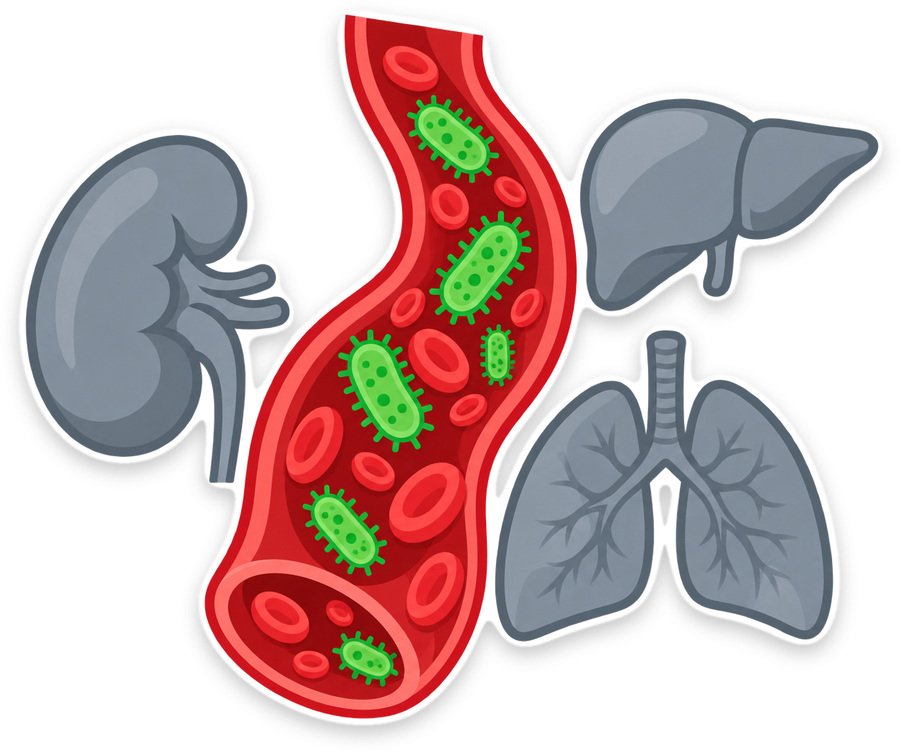
Sepsis: Recognition & Bundles
Life-threatening organ dysfunction from dysregulated infection response.
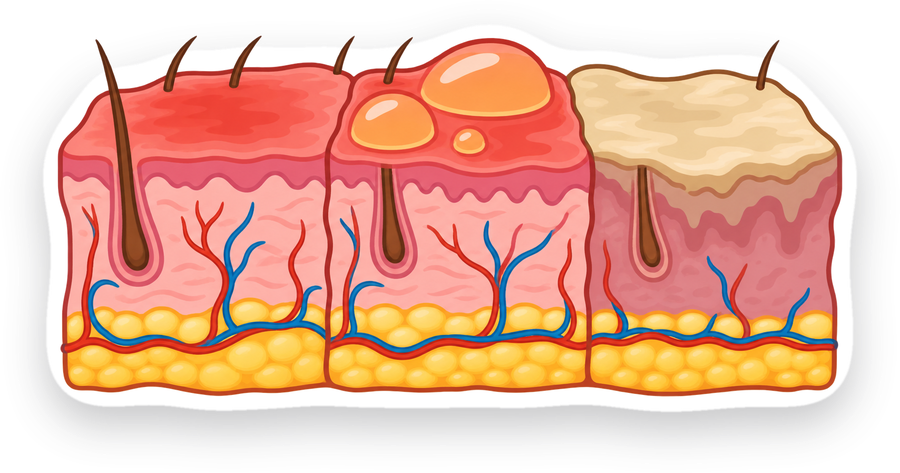
Burns & Rule of 9s
Depth, %TBSA, Parkland formula, airway first in inhalation injury.
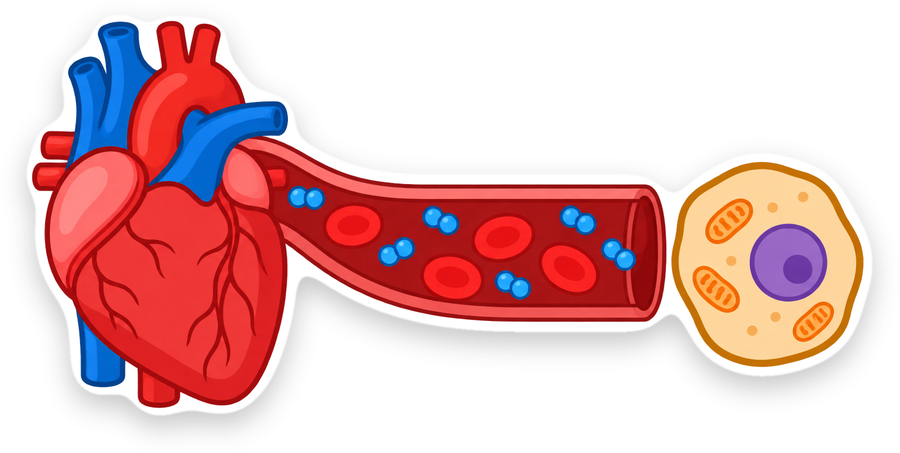
Shock: Types & Management
Hypovolemic · Cardiogenic · Distributive · Obstructive.
Trauma Medications
Trauma-related medication use depends on the problem: stabilize ABCs first, then treat pain, agitation, anxiety, bleeding risk, and post-traumatic symptoms.
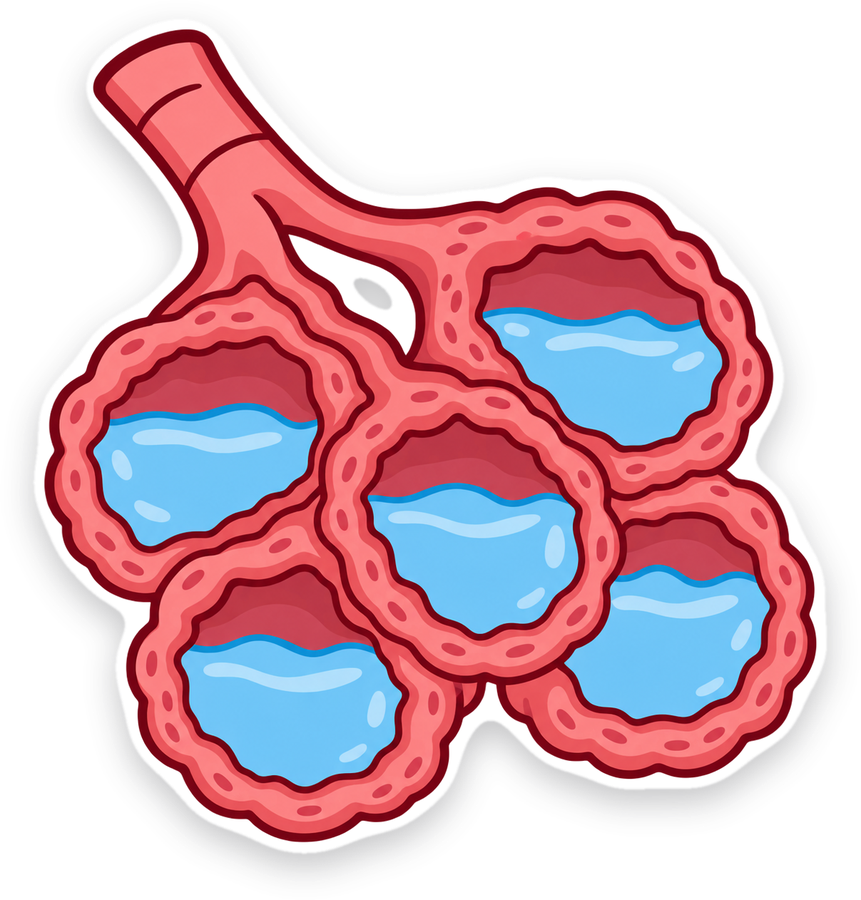
ARDS
ARDS is acute inflammatory lung injury with noncardiogenic pulmonary edema, severe hypoxemia, and stiff lungs.
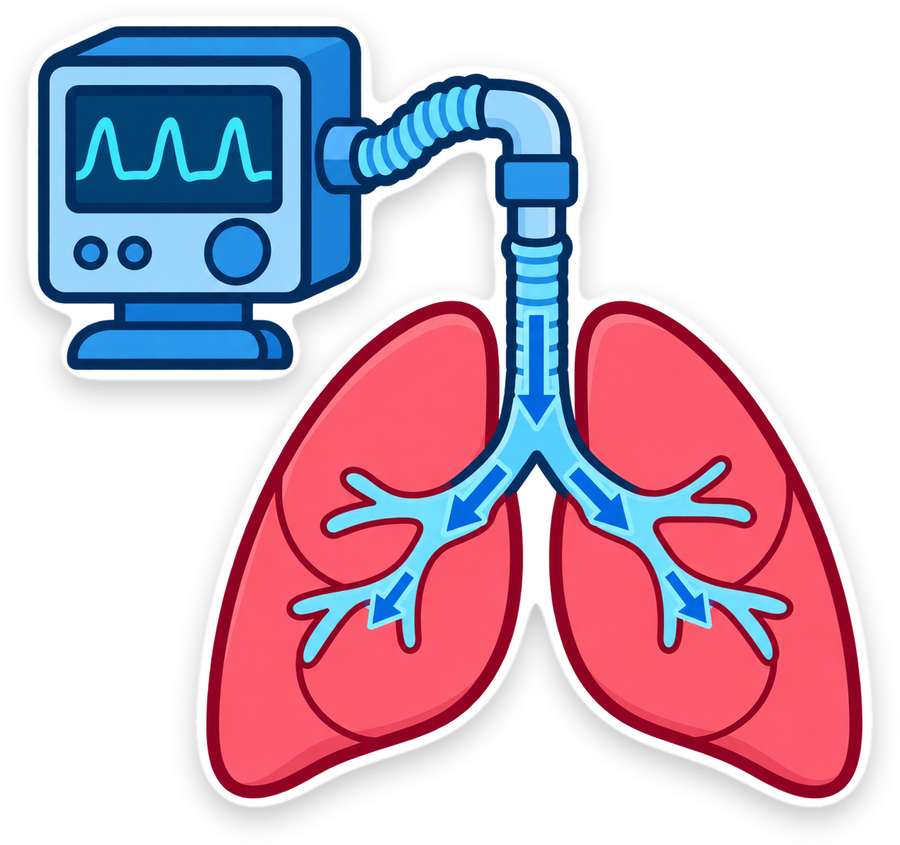
Mechanical Ventilation
Mechanical ventilation supports oxygenation and ventilation when the patient cannot maintain a patent airway or adequate gas exchange.
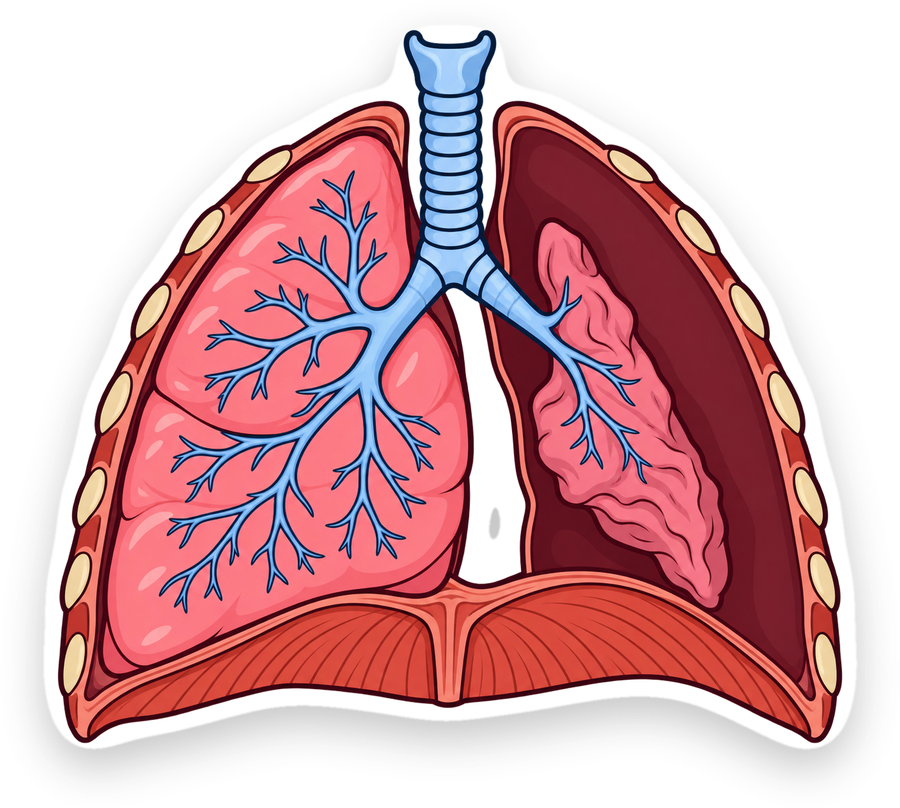
Chest Tubes & Pleural Drainage
3-chamber water-seal system: collection, water seal, suction control. Tidaling = good; continuous water-seal bubbling = air leak.
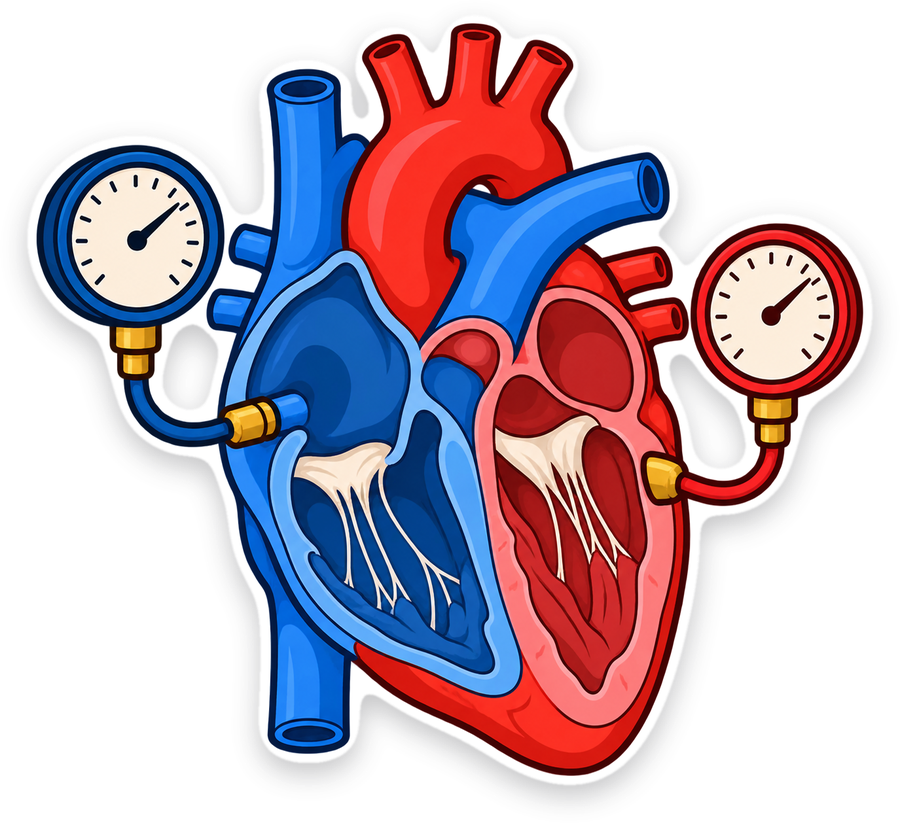
Hemodynamic Monitoring
MAP ≥65, CVP 2–8, CO 4–8 L/min — each shock type has a distinct hemodynamic fingerprint.
Read the lessons, then test yourself.

This module's cards, on spaced repetition.

NCLEX-style questions from this module, with rationales.
12 of the module's 53 cards. Cover the answer and test yourself.