Cranial Nerves I–XII
On Old Olympus' Towering Tops, A Finn And German Viewed Some Hops.
- Lesson 6 of 11
- 6 min read
Overview
12 pairs of cranial nerves emerge from the brain.
Names, Types, and Mnemonics
Cranial nerve assessment helps localize neurologic injury.
- Names: On Old Olympus Towering Tops, A Finn And German Viewed Some Hops.
- Function: Some Say Marry Money But My Brother Says Big Brains Matter More.
- Sensory only: I, II, VIII. Motor only: III, IV, VI, XI, XII. Both: V, VII, IX, X.
Bedside Assessment
| Nerve | Quick test | Concerning finding |
|---|---|---|
| II optic | Visual fields and acuity | New field cut or vision loss. |
| III, IV, VI | PERRLA and extraocular movements | Fixed dilated pupil, diplopia, unequal gaze. |
| V trigeminal | Facial sensation and chewing | Loss of corneal reflex or jaw weakness. |
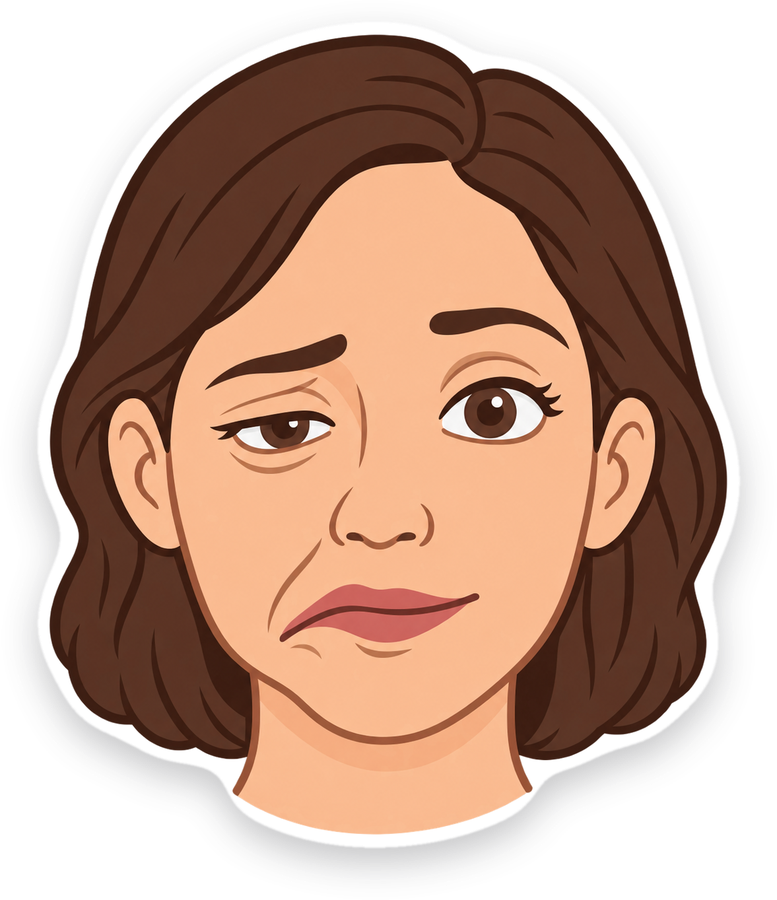
| VII facial | Raise brows, smile, close eyes | Facial droop or incomplete eye closure. |
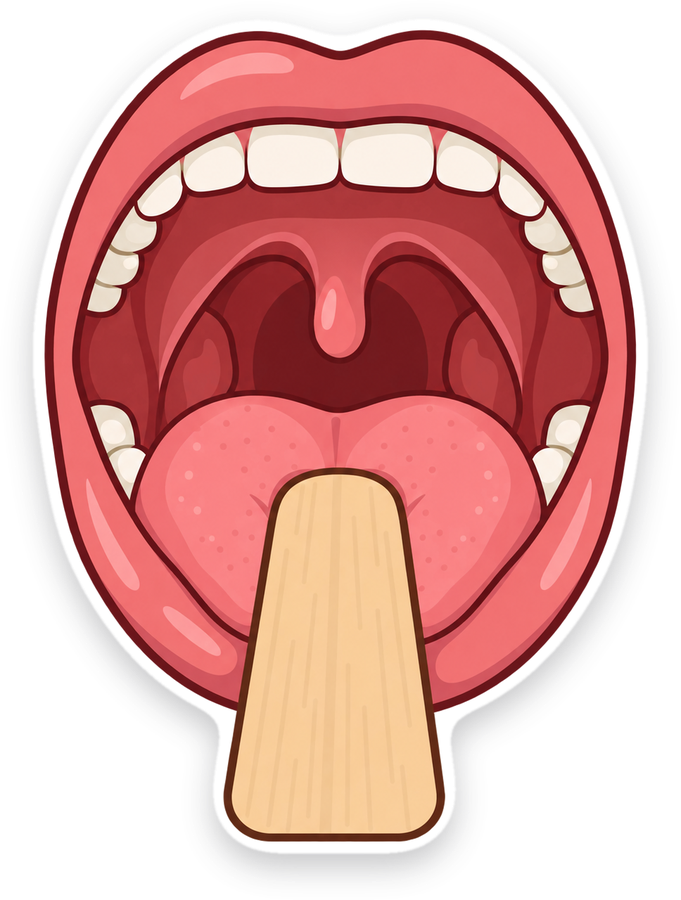
| IX, X | Voice, swallow, gag if indicated | Hoarseness, dysphagia, uvula deviation. |
| XII hypoglossal | Tongue protrusion | Tongue deviation or dysarthria. |
High-Risk Findings
EXAM TRAPWatch outA new fixed dilated pupil after head injury is an emergency, not a routine eye finding.
Some cranial nerve changes are emergencies because they suggest stroke, herniation, brainstem involvement, or aspiration risk.
- CN III compression can cause a fixed dilated pupil and may signal uncal herniation.
- CN IX and X deficits increase aspiration risk; keep NPO until swallow is evaluated when indicated.
- CN VII peripheral palsy affects the forehead and eye closure; central stroke often spares forehead movement.
- CN VIII toxicity can occur with aminoglycosides; report tinnitus, hearing change, or vertigo.
Teaching and Nursing Care
NCLEX tipNCLEX trap: Bell palsy affects the entire side of the face; stroke classically causes lower facial droop with forehead sparing.
- For facial weakness with poor eye closure, protect the cornea with ordered lubricating drops and nighttime patching.
- For dysphagia, use aspiration precautions, oral care, and speech-language pathology referral.
- For trigeminal neuralgia, teach trigger avoidance and medication adherence; carbamazepine requires lab and rash monitoring.
- For diplopia, maintain fall precautions and use ordered eye patching carefully to reduce double vision.
Key nursing points
- CN III (oculomotor): pupil constriction + most eye movements. Blown pupil = increased ICP.
- CN V (trigeminal): facial sensation + chewing. Trigeminal neuralgia → carbamazepine.
- CN VII (facial): facial movement + taste anterior 2/3 tongue. Bell's palsy = unilateral droop.
- CN X (vagus): parasympathetic to heart, lungs, gut. Stimulation = bradycardia.
EXAM TRAPCommon exam trapA unilateral fixed dilated pupil after head trauma is CN III compression from herniation — this is an emergency, not a medication side effect. Bell's palsy affects the ENTIRE ipsilateral face (including forehead); a central stroke spares the forehead (bilateral cortical control).
Test yourself

Pick your answer first, then open the rationale. Guessing teaches nothing.
In one line
On Old Olympus' Towering Tops, A Finn And German Viewed Some Hops.
— 6 —