Module · 11 lessons
0 of 11 lessons done · 0% · 75 cards

Neurological Disorders for the NCLEX: Stroke, meningitis, seizures, Alzheimer's, MS, GCS, Babinski, cranial nerves, TBI. This module has 11 notebook lessons (about 63 minutes of reading), 43 practice questions with rationales inside the lessons, 75 flashcards and 45 NCLEX-style questions in the quiz bank.
Start here · Lesson 1 of 11
7 min read
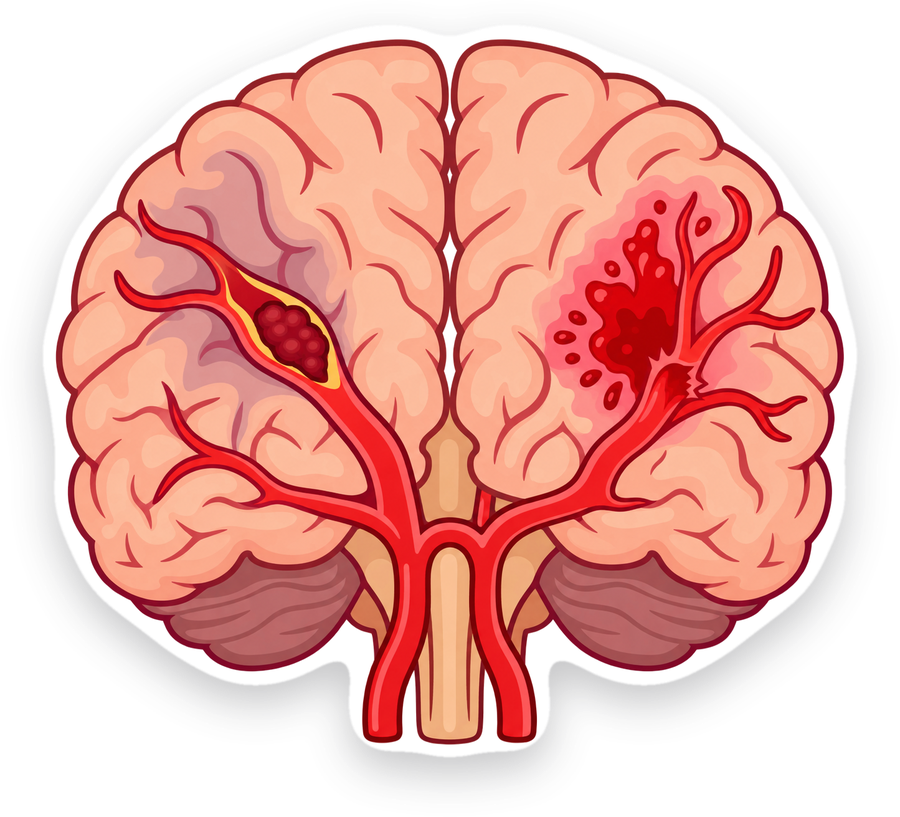
Stroke (CVA)
Time = brain. Ischemic vs hemorrhagic dictates everything.
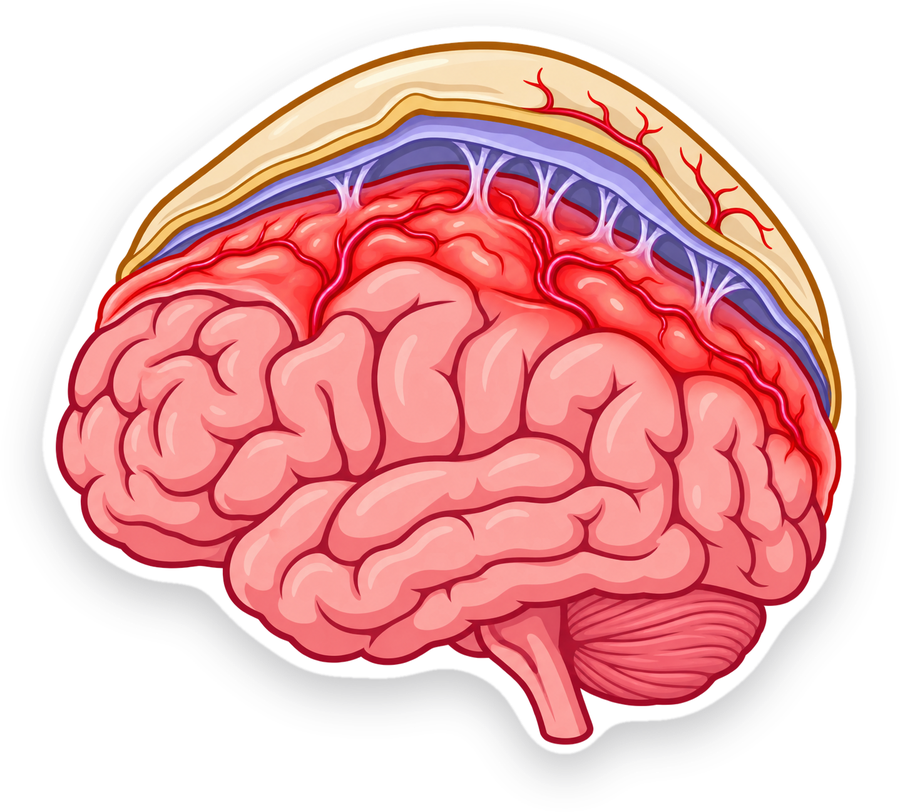
Meningitis
Inflammation of the meninges — bacterial is the killer.

Glasgow Coma Scale (GCS)
Eyes + Verbal + Motor = 3 (worst) to 15 (best).
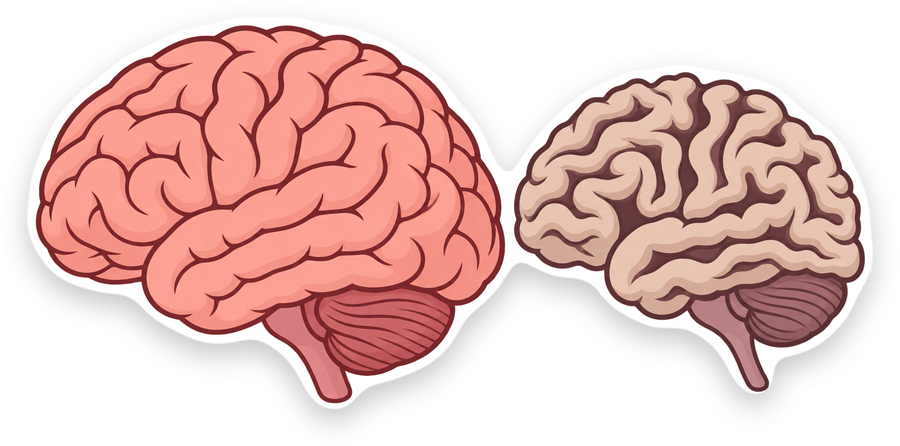
Alzheimer's Disease
Progressive cortical dementia — amyloid plaques + tau tangles.
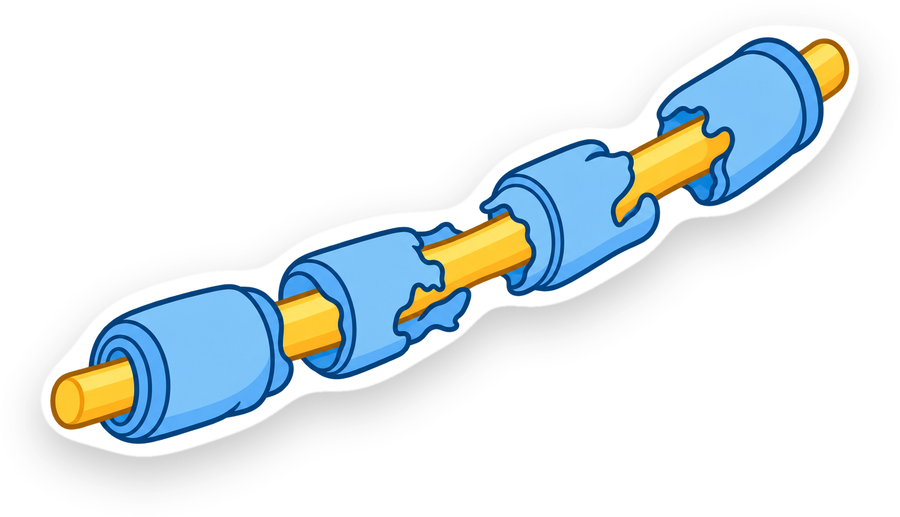
Multiple Sclerosis
Autoimmune demyelination of the CNS — relapsing-remitting most common.
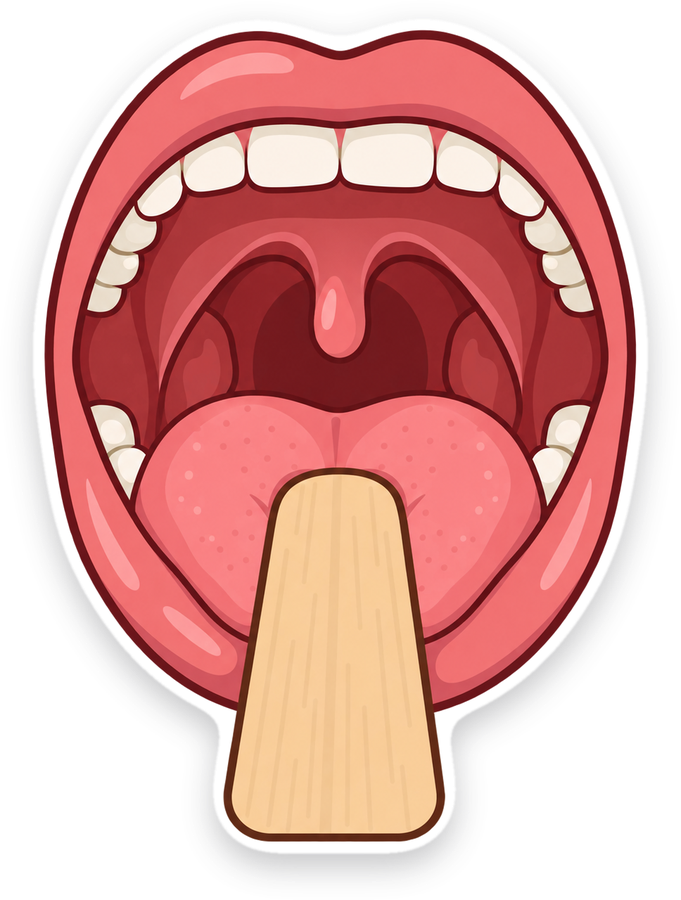
Cranial Nerves I–XII
On Old Olympus' Towering Tops, A Finn And German Viewed Some Hops.
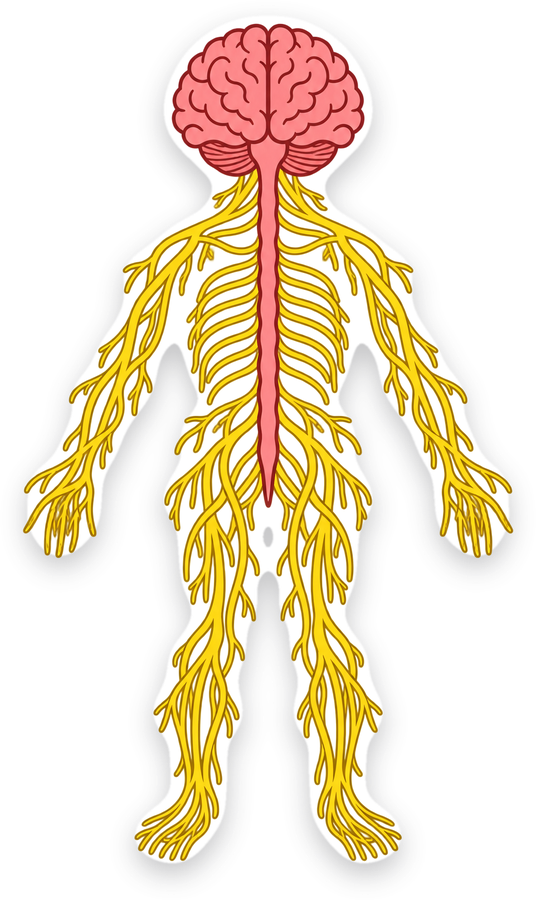
The Nervous System
CNS (brain + spinal cord) vs PNS — the body's electrical command network.
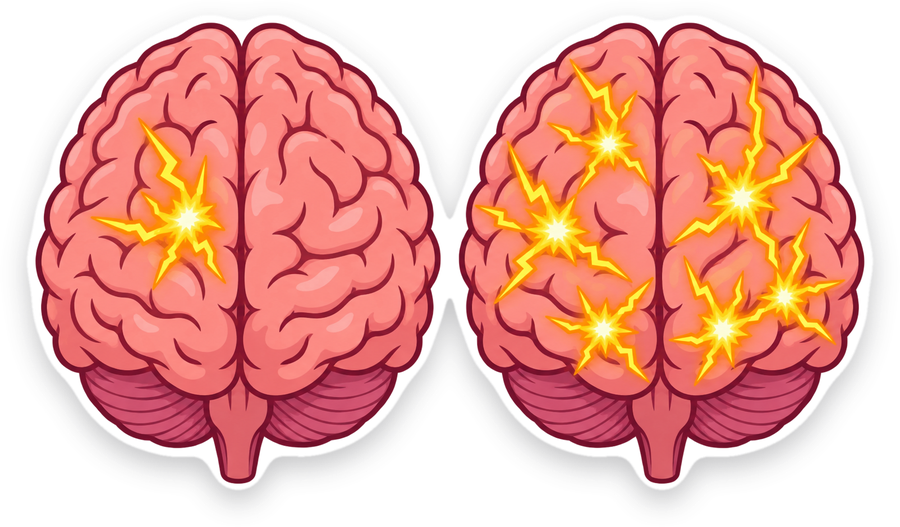
Seizures & Epilepsy
Abnormal electrical brain activity — focal vs generalized, tonic-clonic vs absence.
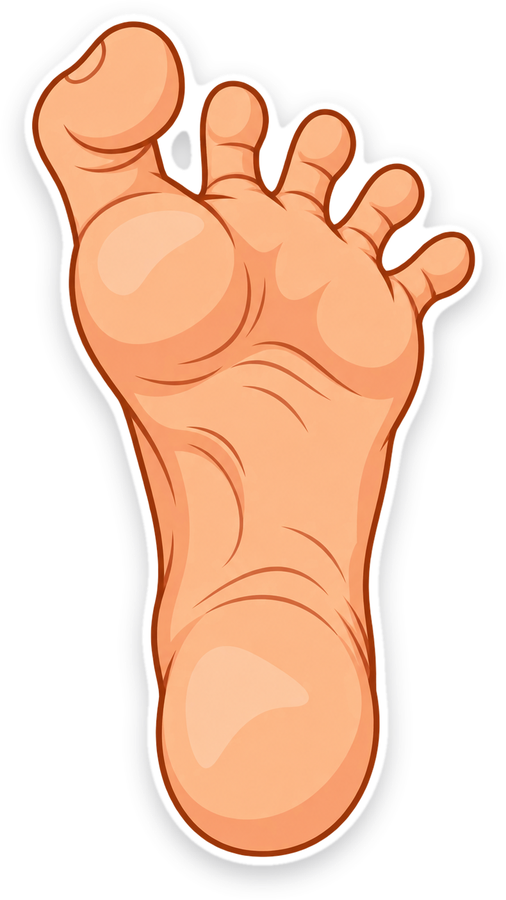
Babinski Reflex & Neuro Reflexes
Babinski positive in adults = upper motor neuron lesion. Normal in infants under 2.
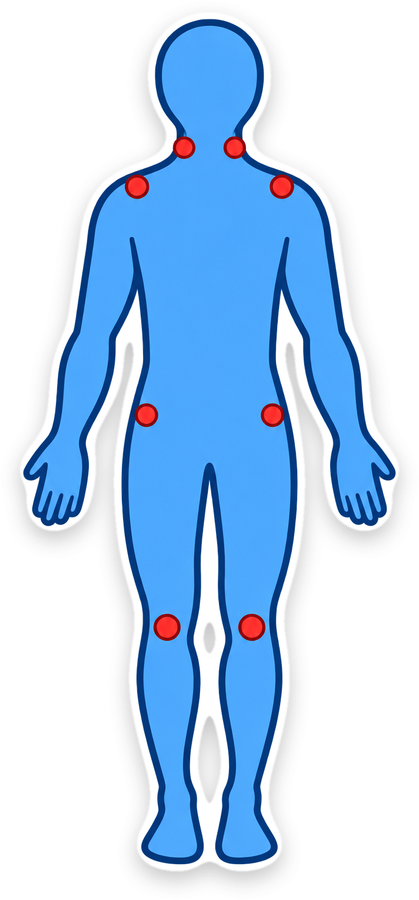
Fibromyalgia
Chronic widespread musculoskeletal pain + fatigue + cognitive disturbance ('fibro fog').
Traumatic Brain Injury (TBI)
Head trauma → primary injury at impact + secondary injury from ICP, hypoxia, edema.
Read the lessons, then test yourself.

This module's cards, on spaced repetition.

NCLEX-style questions from this module, with rationales.
12 of the module's 75 cards. Cover the answer and test yourself.