The Nervous System
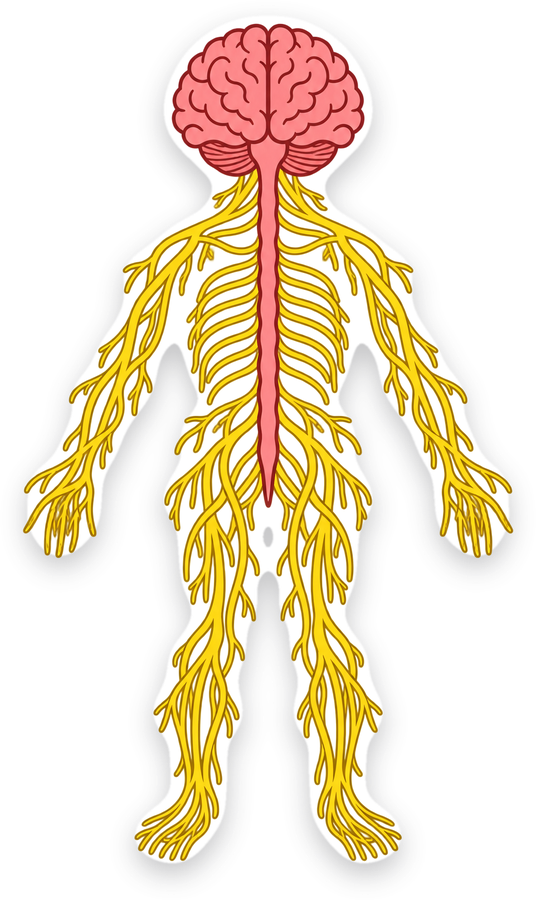
CNS (brain + spinal cord) vs PNS — the body's electrical command network.
- Lesson 7 of 11
- 6 min read
6 terms
- Level of consciousness
- alert, confused, lethargic, obtunded, stuporous, or comatose.
- Pupils
- size, equality, shape, and reaction to light.
- Motor
- strength, drift, symmetry, tone, gait, and abnormal posturing.
- Sensory
- light touch, pain, numbness, tingling, and side-to-side comparison.
- Speech and cognition
- orientation, naming, comprehension, slurring, and word-finding.
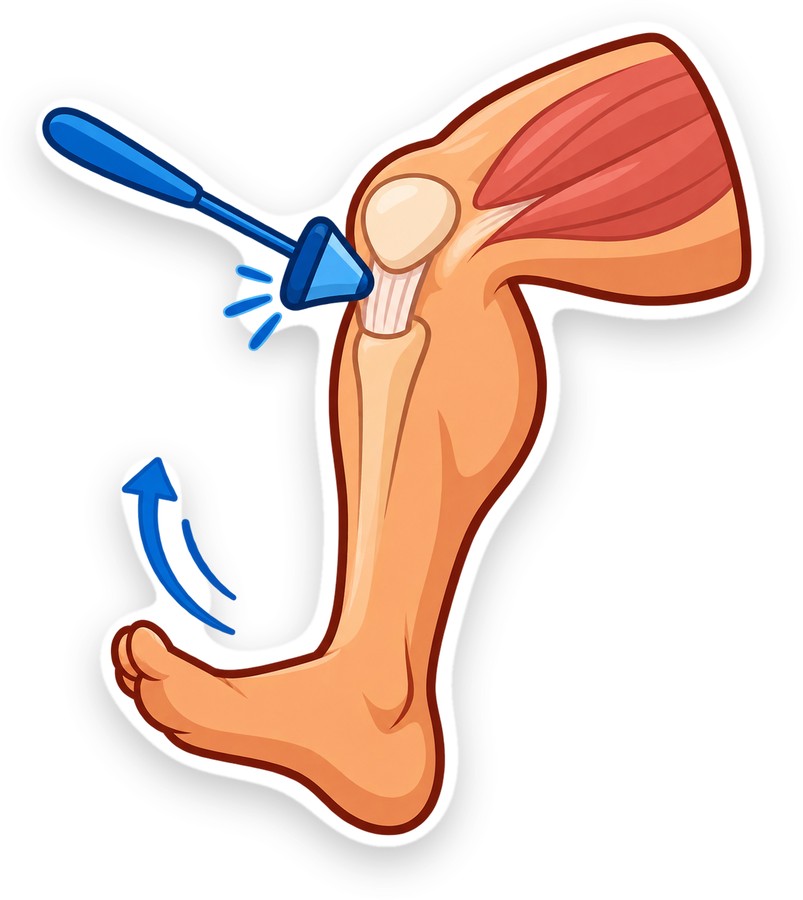
- Reflexes
- deep tendon response, clonus, and plantar response when indicated.
Overview
The blood-brain barrier (BBB) restricts entry of substances into the CNS, allowing lipid-soluble molecules but blocking water-soluble toxins.
CNS vs PNS
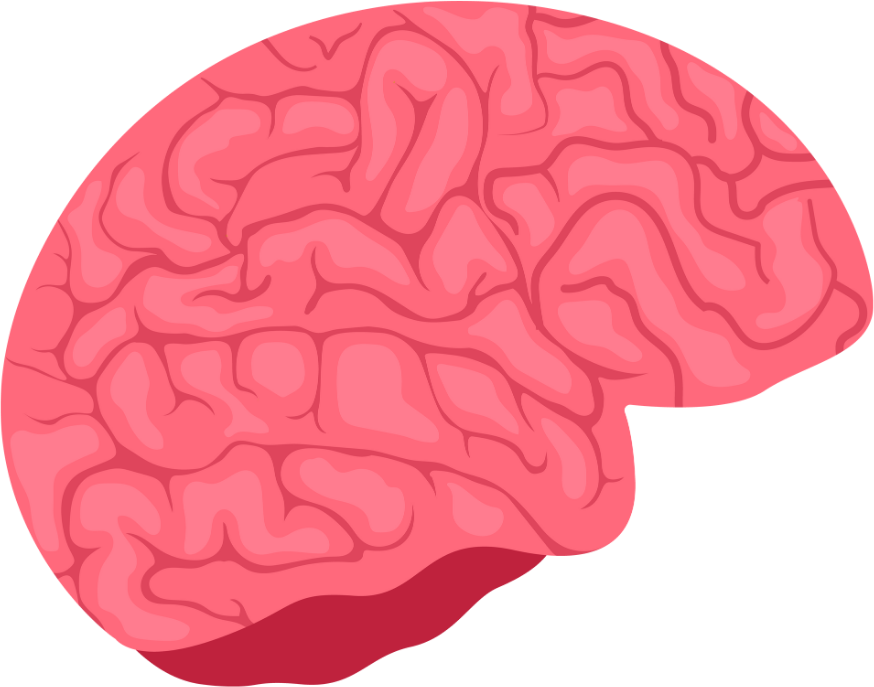
The central nervous system includes the brain and spinal cord.
- Cerebrum: cognition, voluntary movement, sensation, speech, memory, and judgment.
- Cerebellum: balance, coordination, smooth movement, and gait.
- Brainstem: respirations, heart rate, BP regulation, arousal, and many cranial nerve nuclei.
- Spinal cord: ascending sensory tracts, descending motor tracts, and reflex pathways.
Neuron Signaling and the Blood-Brain Barrier
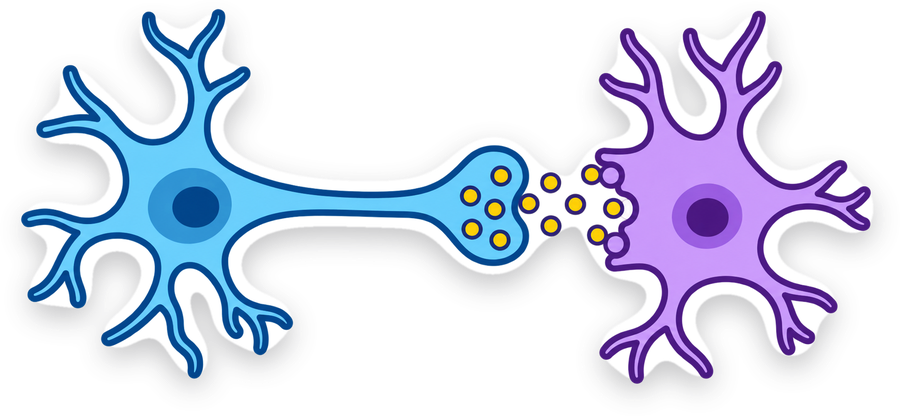
Neurons transmit information through electrical impulses and neurotransmitters.
- Myelin speeds conduction; demyelination slows or blocks signals.
- CNS neurons have limited regeneration compared with many peripheral nerves.
- Glial cells support, insulate, nourish, and protect neurons.
- Hypoxia and hypoglycemia can rapidly impair neuronal function, so check oxygenation and glucose with acute mental status change.
Core Neuro Assessment
Priority Traps
NCLEX tipNCLEX trap: do not attribute acute confusion to dementia before assessing oxygenation, glucose, infection, medications, and stroke symptoms.
Acute neurologic decline should trigger ABC assessment, glucose check, vital signs, medication review, and rapid escalation.
- A falling level of consciousness is often the earliest sign of worsening ICP.
- Unilateral weakness, facial droop, speech change, or visual loss is stroke until proven otherwise.
- New unequal pupils can signal compression of CN III or herniation.
- Autonomic findings such as bradycardia, BP instability, urinary retention, or bowel changes can localize spinal cord or brainstem injury.
Key nursing points
- CNS = brain + spinal cord. PNS = all nerves outside CNS.
- Blood-brain barrier: protects CNS but limits drug delivery (reason L-Dopa is used instead of dopamine for Parkinson's).
- Autonomic NS: sympathetic (fight-or-flight) vs parasympathetic (rest-and-digest).
- PNS neurons can regenerate; CNS neurons generally cannot.
- Assess neuro function: LOC, pupils, strength, sensation, reflexes, speech.
EXAM TRAPCommon exam trapA unilateral blown (dilated, fixed) pupil is a sign of uncal herniation and impending brainstem compression — MEDICAL EMERGENCY. Call provider immediately.
Test yourself

Pick your answer first, then open the rationale. Guessing teaches nothing.
In one line
CNS (brain + spinal cord) vs PNS — the body's electrical command network.
— 7 —