Multiple Sclerosis
Autoimmune demyelination of the CNS — relapsing-remitting most common.
- Lesson 5 of 11
- 5 min read
Side by side
Disease Course Types
- Clear relapses followed by partial or complete remission.
- Steady neurologic decline from onset without distinct early relapses.
- Most common initial pattern.
- Less common than RRMS.
- Better early prognosis when relapses recover and DMT is started early.
- Disability tends to accumulate more steadily from the beginning.
- Generally more responsive to relapse-prevention therapies.
- Less responsive overall; selected agents such as ocrelizumab may be used when indicated.
Overview
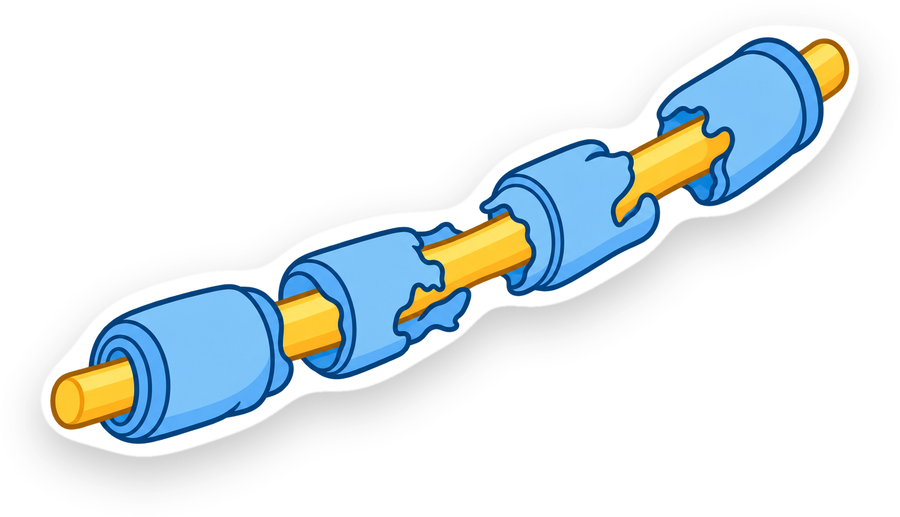
MS attacks myelin sheath of CNS neurons.

Pathophysiology
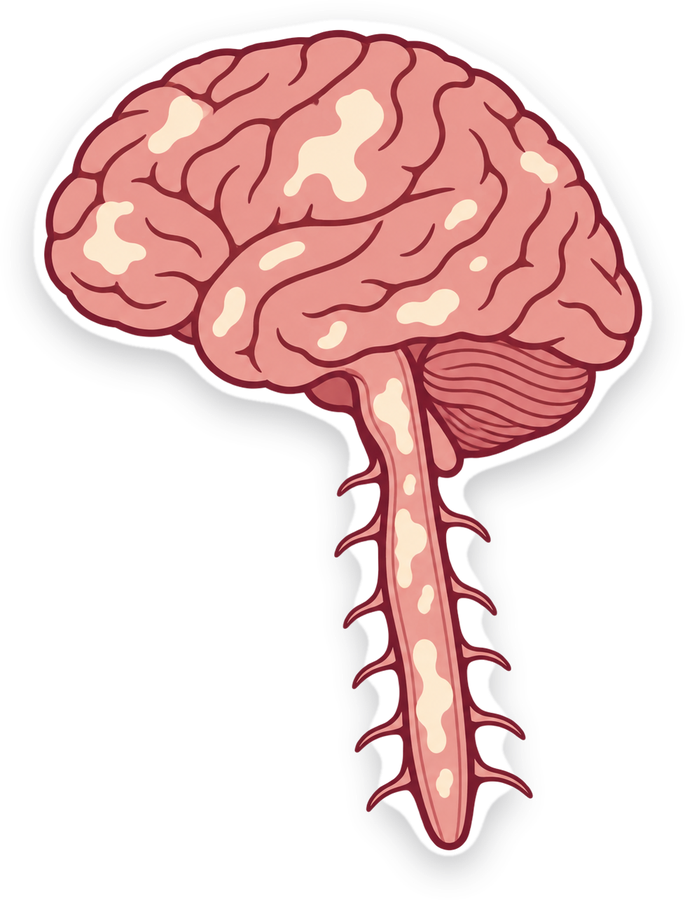
MS is an autoimmune disease where T-cells attack the myelin sheath around CNS axons, creating demyelinated plaques.
- Relapsing-Remitting MS (RRMS): most common (85%); attacks followed by remission.
- Primary Progressive MS (PPMS): steady neurological decline from onset, no clear relapses.
- Secondary Progressive MS (SPMS): starts as RRMS, eventually becomes progressively worsening.
Clinical Features
A flare is usually a new or worsening neurologic deficit lasting more than 24 hours and not explained by fever, heat, or infection.
Fatigue is often the most common and disabling symptom.
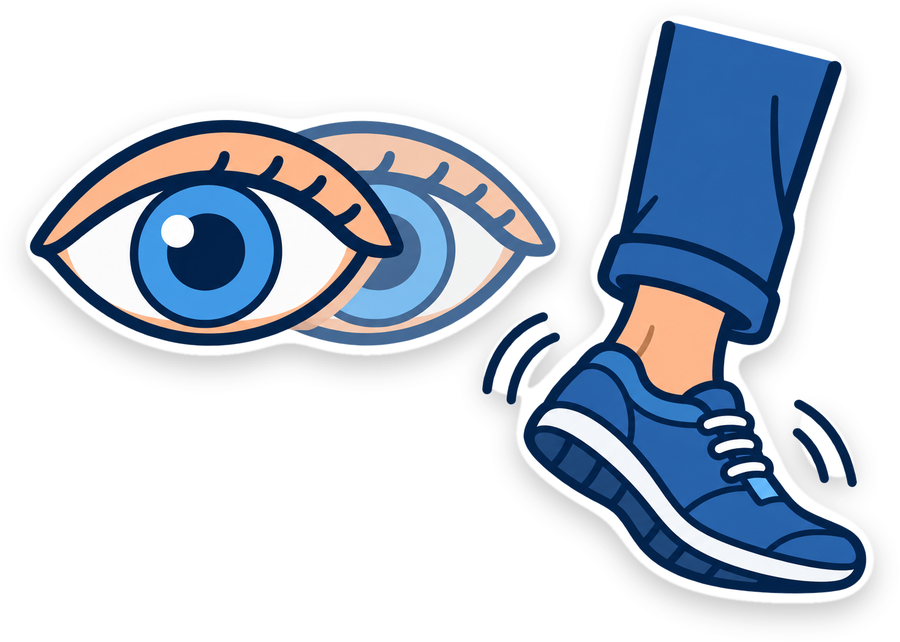
- Optic neuritis: blurred vision, eye pain, color blindness — often the first symptom.
- Lhermitte's sign: electric shock feeling down spine with neck flexion.
- Fatigue: disproportionate, not relieved by rest — most disabling symptom.
- Spasticity, bladder urgency/retention, sexual dysfunction, cognitive fog, depression.
- Uhthoff's phenomenon: temporary worsening with heat (hot shower, fever, exercise).
Clinical Manifestations by System
Teach patients to report new weakness, vision loss, bladder retention, falls, or sensory changes that last more than 24 hours.
- Vision: optic neuritis causes painful vision loss and is a common presenting symptom.
- Motor: weakness, spasticity, tremor, ataxia, and Uhthoff's phenomenon, where heat worsens symptoms.
- Sensory: paresthesia, numbness, neuropathic pain, and Lhermitte's sign with neck flexion.
- Bladder: neurogenic bladder can cause retention, urgency, frequency, incontinence, or recurrent UTIs.
- Fatigue: the most common and often most disabling symptom; it may worsen with heat, infection, or overexertion.
Disease-Modifying Therapies
Disease-modifying therapies reduce relapse frequency and slow new lesion formation, but they are not curative and do not reverse established neurologic injury.
Ocrelizumab can reactivate hepatitis B, so screening is required before therapy.
Heat Sensitivity
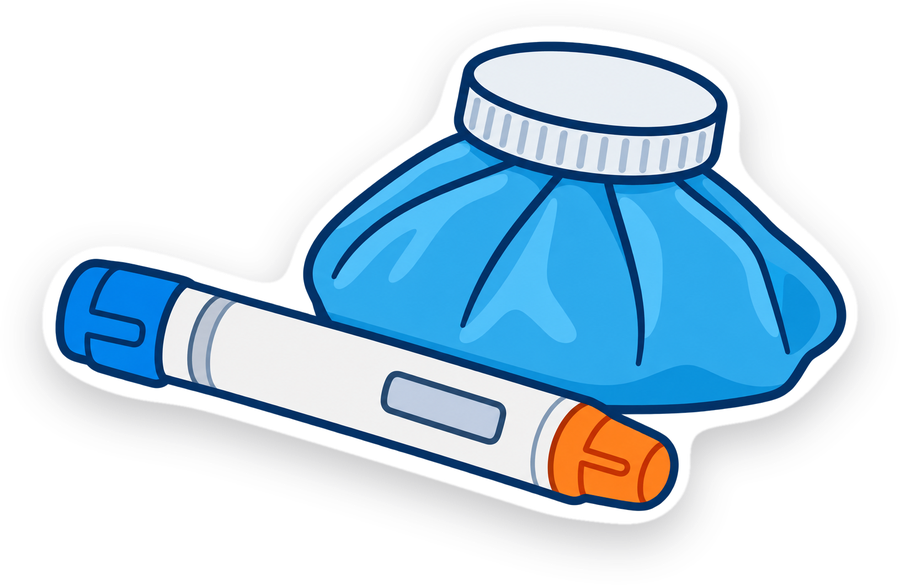
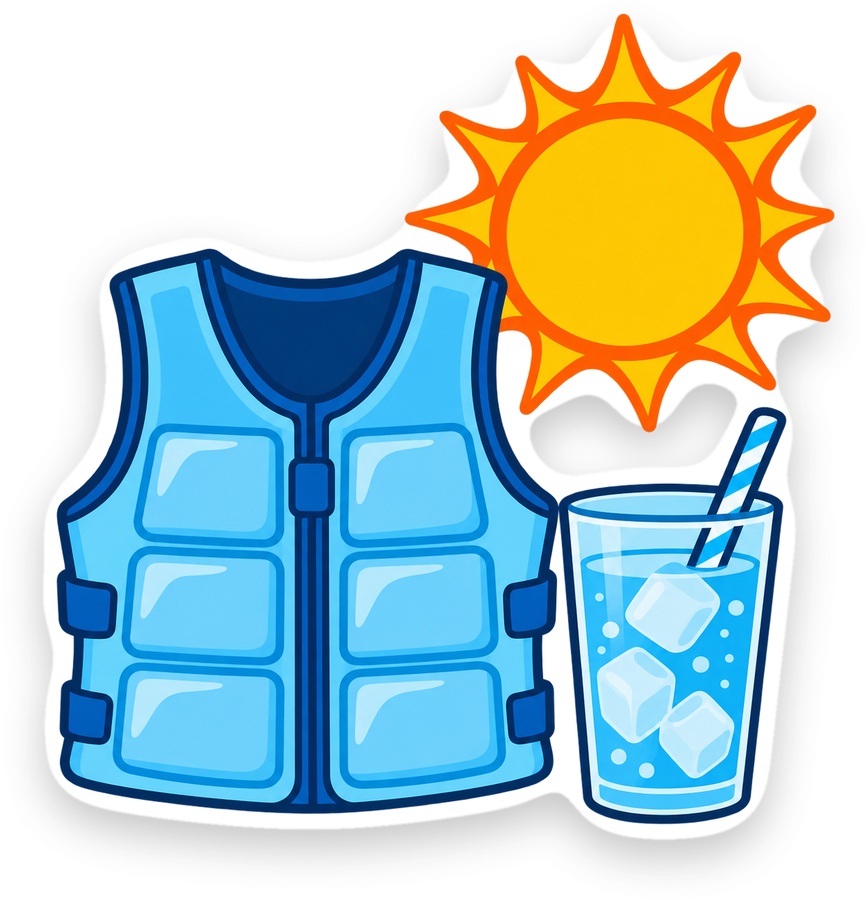
Heat-related symptom worsening is usually temporary, but it can look frightening and can increase fall risk.
Nursing Care
Nursing care focuses on conserving energy, preventing injury, and reducing triggers that worsen conduction through damaged myelin.
- Avoid heat exposure: tepid showers, air conditioning, cooling vests; treat fevers promptly.
- Bladder management: scheduled voiding, intermittent catheterization, avoid caffeine.
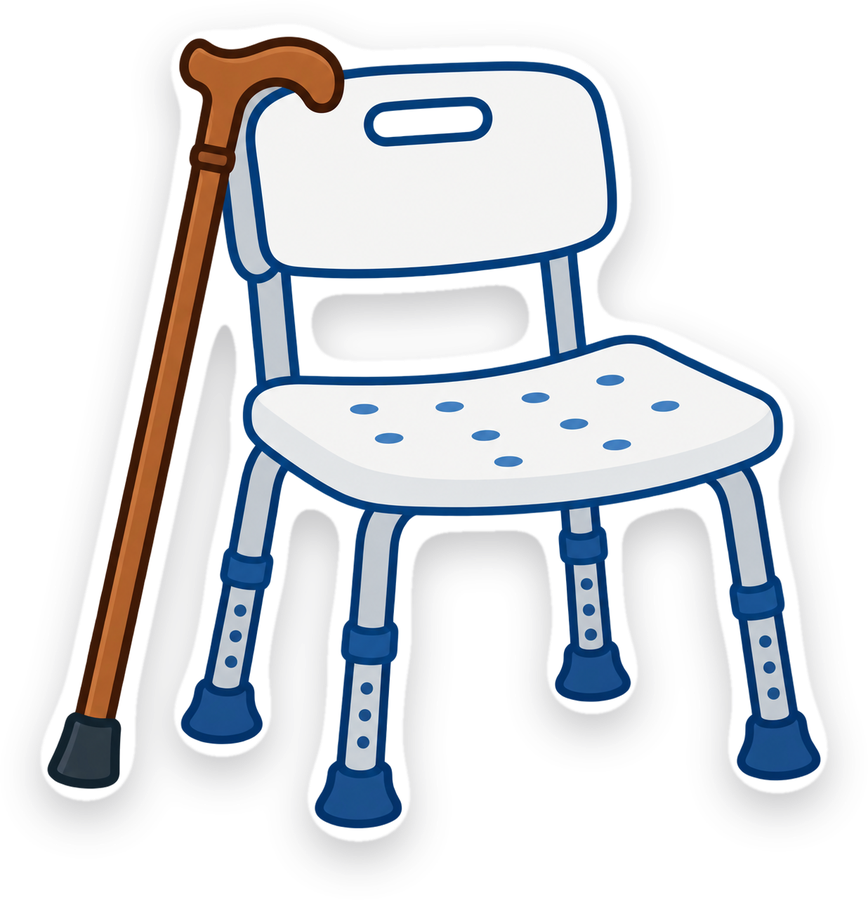
- Fall prevention: assistive devices, remove trip hazards, physical therapy.
- Energy conservation: rest between activities, pace tasks throughout the day.
- Medication adherence: disease-modifying therapy requires consistent self-injection or infusion teaching.
- Psychosocial: depression is common — screen and refer; support caregiver.
Disease Course Types
| Relapsing-Remitting MS (RRMS) | Primary Progressive MS (PPMS) | |
|---|---|---|
| Pattern | Clear relapses followed by partial or complete remission. | Steady neurologic decline from onset without distinct early relapses. |
| Frequency | Most common initial pattern. | Less common than RRMS. |
| Prognosis | Better early prognosis when relapses recover and DMT is started early. | Disability tends to accumulate more steadily from the beginning. |
| DMT response | Generally more responsive to relapse-prevention therapies. | Less responsive overall; selected agents such as ocrelizumab may be used when indicated. |
| % of MS patients | About 85% at onset. | About 10-15% at onset. |
Nursing priorities
- 1. Institute fall prevention. — Weakness, spasticity, ataxia, fatigue, and vision changes create high fall risk, especially during flares or heat exposure.
- 2. Maintain a bladder program. — Scheduled voiding every 2-4 hr and intermittent catheterization when ordered reduce retention, incontinence, skin breakdown, and infection risk.
- 3. Plan fatigue management around peak energy. — Activity pacing, rest periods, cooling strategies, and heat avoidance preserve function and reduce symptom worsening.
Key nursing points
- Acute flare: high-dose IV methylprednisolone.
- Disease-modifying therapy: interferon-beta, glatiramer, ocrelizumab.
- Avoid heat — no hot showers, hot tubs, fevers (treat aggressively).
- PT, OT, energy conservation, fall prevention.
Test yourself

Pick your answer first, then open the rationale. Guessing teaches nothing.
Autoimmune demyelination of the CNS — relapsing-remitting most common.
— 5 —