IV Therapy Complications
Infiltration, extravasation, phlebitis, air embolism, fluid overload, and CLABSI are preventable IV safety priorities.
- Lesson 8 of 15
- 8 min read
Side by side
Infiltration vs Extravasation
- Nonvesicant IV solution or medication leaks into tissue.
- Vesicant medication leaks into tissue and can cause necrosis.
- Cool, pale, swollen site
- Discomfort, tightness, slowed flow
- Burning or severe pain
- Blistering, redness/blanching, swelling
- Tissue injury may progress after infusion stops
- Stop infusion
- Remove IV
- Elevate limb and restart elsewhere if needed
- Stop infusion
- Leave catheter in place
- Aspirate drug and follow antidote protocol
- Skin stretching, impaired circulation, delayed therapy
- Necrosis, nerve damage, loss of function, need for surgical care
Overview
IV complications can progress from local irritation to tissue necrosis, embolic injury, bloodstream infection, or pulmonary edema.
Infiltration vs Extravasation
Both complications mean IV fluid has left the vessel and entered tissue.
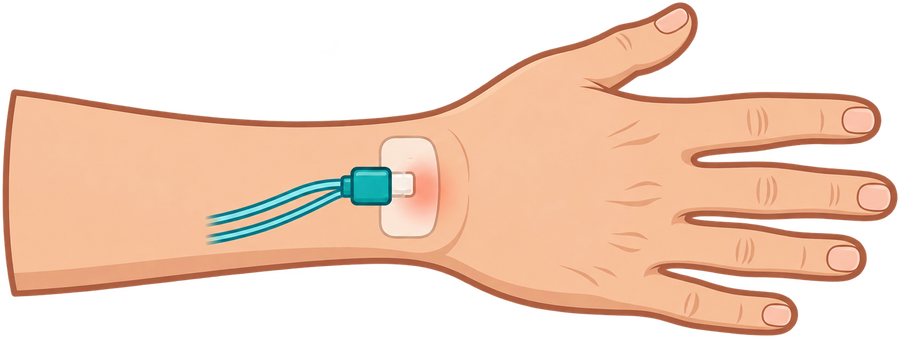
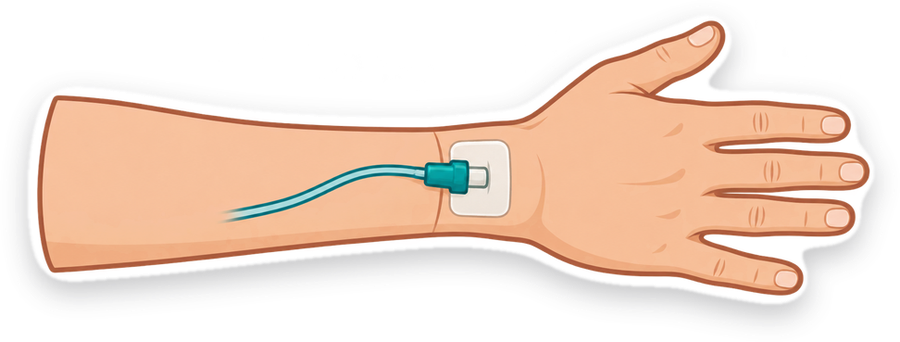
- Infiltration signs: coolness, pallor, swelling, tight skin, discomfort, slowed infusion, and damp dressing.
- Extravasation signs: burning, pain, blistering, redness or blanching, swelling, and possible tissue necrosis.
- Never ignore patient-reported burning during vesicant infusion; pain may be the first sign.
Phlebitis Grading
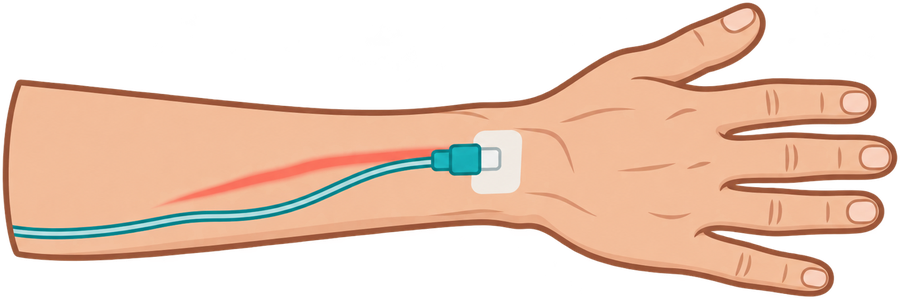
Phlebitis is vein inflammation caused by mechanical irritation, chemical irritation, or infection.
Phlebitis scale
| Grade | Findings | Action |
|---|---|---|
| 0 | No symptoms | Continue routine assessment |
| 1 | Erythema with or without pain | Assess closely; consider site change per policy |
| 2 | Pain with erythema or edema | Stop infusion and remove IV |
| 3 | Pain, erythema, streak formation, palpable venous cord | Remove IV, warm compress, notify if worsening |
| 4 | Pain, erythema, streaking, palpable cord >1 inch, purulent drainage | Remove IV, culture/evaluate per protocol, notify provider |
Air Embolism
Air entering the venous system can obstruct right-heart or pulmonary blood flow.
- Symptoms: sudden dyspnea, chest pain, cough, tachycardia, hypotension, anxiety, altered LOC, or mill-wheel murmur.
- Immediate actions: clamp the line, call for help, administer oxygen, and position left lateral Trendelenburg if not contraindicated.
- Prevention: prime tubing, remove air from syringes, use Luer-lock connections, and never leave central-line hubs open to air.
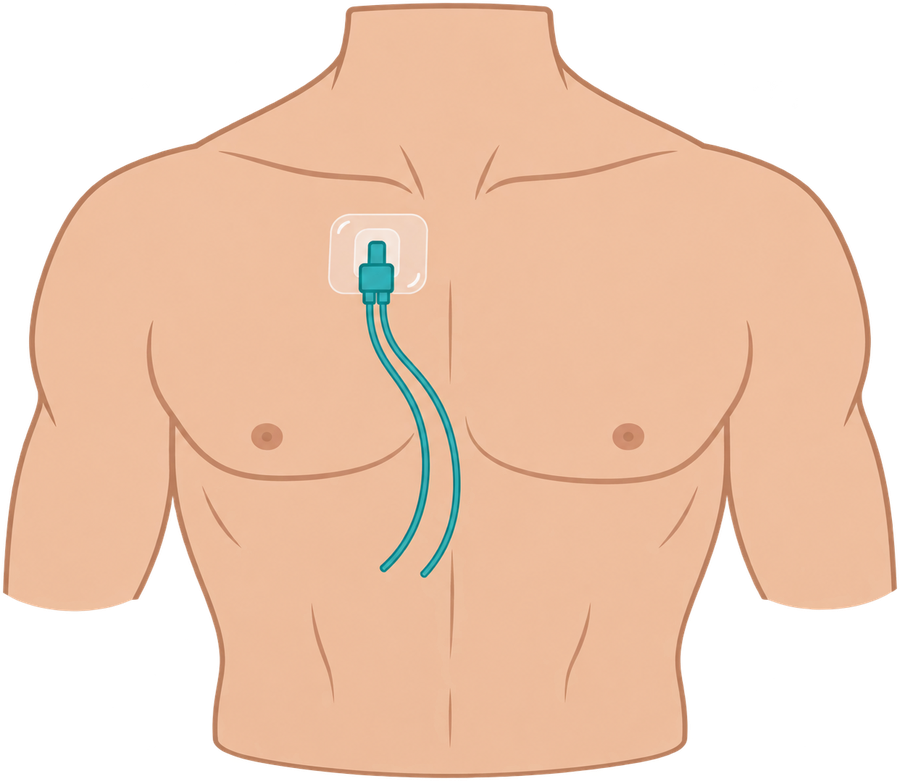
CLABSI Prevention Bundle
Central-line associated bloodstream infections increase sepsis risk and length of stay.
- Hand hygiene before line contact and aseptic technique with every access.
- Chlorhexidine skin antisepsis and sterile barrier technique for insertion and dressing changes.
- Scrub the hub before access and use disinfecting caps per facility policy.
- Keep dressing clean, dry, intact, and dated; change loose or soiled dressings promptly.
- Review line necessity daily and remove central lines as soon as no longer needed.
Fluid Overload
Patients with heart failure, kidney disease, older age, or rapid infusions can develop pulmonary congestion before peripheral edema is obvious.
- Assess lung sounds, work of breathing, SpO2, edema, JVD, BP, daily weight, and urine output.
- Concerning signs include crackles, dyspnea, cough, rising BP, tachycardia, weight gain, and decreasing oxygenation.
- Slow or stop infusion as ordered, elevate HOB, notify provider, and prepare for oxygen or diuretics.
Infiltration vs Extravasation
| Infiltration | Extravasation | |
|---|---|---|
| Fluid type | Nonvesicant IV solution or medication leaks into tissue. | Vesicant medication leaks into tissue and can cause necrosis. |
| Assessment | Cool, pale, swollen site • Discomfort, tightness, slowed flow | Burning or severe pain • Blistering, redness/blanching, swelling • Tissue injury may progress after infusion stops |
| Immediate action | Stop infusion • Remove IV • Elevate limb and restart elsewhere if needed | Stop infusion • Leave catheter in place • Aspirate drug and follow antidote protocol |
| Risk | Skin stretching, impaired circulation, delayed therapy | Necrosis, nerve damage, loss of function, need for surgical care |
Nursing priorities
- 1. Stop suspected vesicant extravasation immediately but leave the IV catheter in place. — The catheter may be needed to aspirate drug and administer antidote per protocol.
- 2. Assess IV site at least per policy and whenever the patient reports pain, burning, or tightness. — Early detection prevents tissue injury and infection.
- 3. Use aseptic technique and scrub the hub before central-line access. — Most CLABSI prevention depends on consistent access technique.
- 4. Monitor for fluid overload in high-risk patients receiving IV fluids. — Pulmonary congestion can develop rapidly in heart failure or kidney disease.
Key nursing points
- Infiltration is nonvesicant fluid leaking into tissue; extravasation is vesicant leakage with tissue necrosis risk.
- Stop suspected extravasation but leave the catheter in place for aspiration and antidote protocol.
- Phlebitis is graded 0-4 and worsens from pain/redness to palpable cord and streak formation.
- Air embolism: clamp line, position left side Trendelenburg if tolerated, give oxygen, and call for help.
- CLABSI prevention depends on hand hygiene, chlorhexidine skin prep, sterile technique, scrub-the-hub, and daily line-necessity review.
Test yourself

Pick your answer first, then open the rationale. Guessing teaches nothing.
Infiltration, extravasation, phlebitis, air embolism, fluid overload, and CLABSI are preventable IV safety priorities.
— 8 —