Wound Care & Dressings
Clean wound care starts with assessment, pressure relief, infection prevention, and the right dressing for the wound bed.
- Lesson 6 of 15
- 8 min read
Overview
Wound care requires assessment of tissue type, drainage, odor, surrounding skin, pain, and healing barriers before choosing an intervention.
Pathophysiology
Wounds heal through hemostasis, inflammation, proliferation, and remodeling.

Signs & Symptoms
Wound appearance tells the nurse whether healing is progressing or deteriorating.
Trend the finding against prior assessments and escalate unexpected changes.
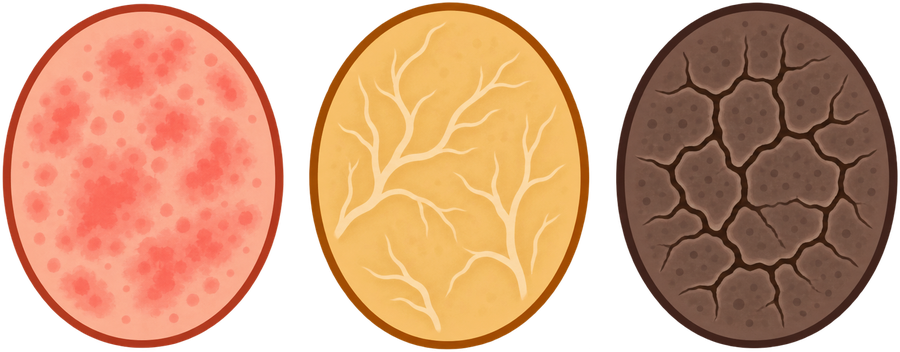
- Healthy granulation is beefy red and moist with controlled drainage.
- Slough is yellow or tan devitalized tissue; eschar is black or brown necrotic tissue.
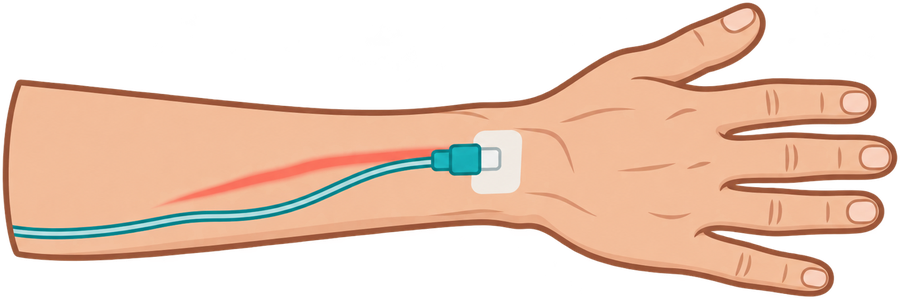
- Infection concerns include erythema, warmth, swelling, pus, odor, fever, increased pain, and delayed healing.
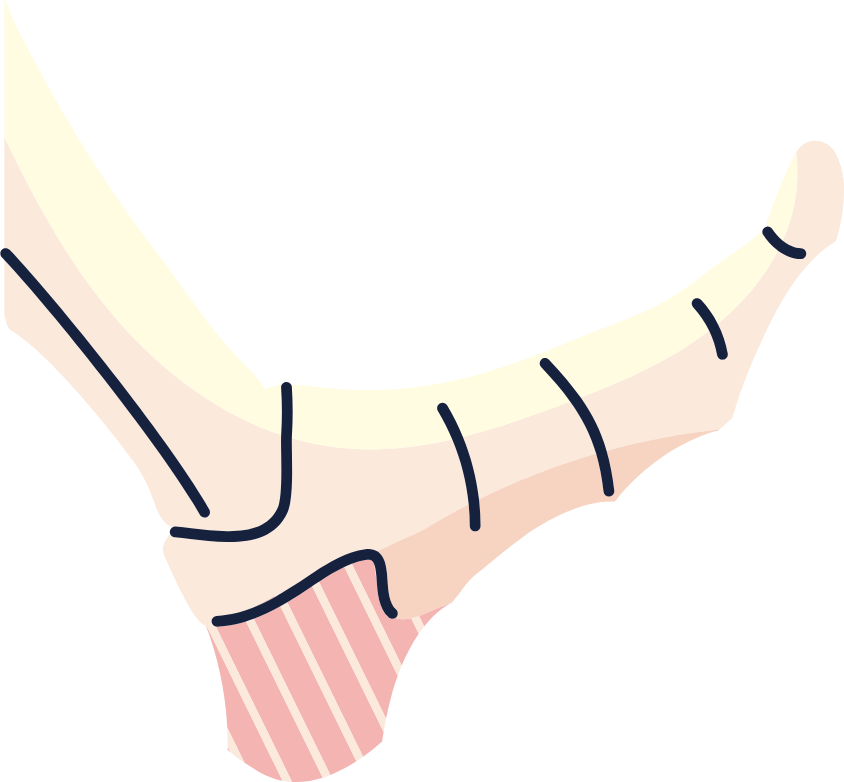
- Pressure injury warning signs include non-blanchable color change, warmth, bogginess, pain, or itch over a bony prominence.
Diagnosis
Wound diagnosis in nursing practice is careful measurement and pattern recognition.
Do not culture every wound automatically.
- Measure length, width, depth, tunneling, and undermining in centimeters.
- Stage pressure injuries only when caused by pressure; do not reverse-stage as healing occurs.
- Culture only when infection is suspected and use the collection method ordered by policy.
- Screen healing barriers: glucose control, perfusion, mobility, continence, nutrition, and hydration.

Treatment
Treatment follows the wound bed.
Necrotic tissue often requires debridement, but intact dry heel eschar can be protective when perfusion is poor.
- Cleanse from clean to dirty and use the least cytotoxic solution ordered, commonly normal saline.
- Match dressing to wound: film for superficial protection, hydrocolloid for low drainage, foam or alginate for moderate-to-heavy drainage.
- Debridement may be ordered for necrotic tissue; protect intact dry heel eschar unless the provider orders otherwise.
- Use pressure redistribution surfaces, heel offloading, scheduled repositioning, and moisture barriers.

Nursing Priorities
Wound care priorities are infection prevention, pain control, objective reassessment, and escalation of deterioration.
Document what you see, what you did, and how the patient tolerated it.
- Perform hand hygiene before and after care and maintain sterile or clean technique as ordered.
- Premedicate before painful dressing changes when appropriate.
- Document wound findings objectively, including dressing type and patient tolerance.
- Notify the provider for spreading cellulitis, systemic infection signs, new necrosis, or exposed bone/tendon.


Patient Teaching
Patients and caregivers need to know how to offload pressure, keep skin clean and dry, eat enough protein and calories, and report changes before infection spreads.
The nurse should verify the patient can actually perform the plan at home.
- Do not massage reddened bony prominences; it can worsen capillary injury.
- Change position frequently and keep skin clean and dry.
- Eat protein-rich meals and maintain hydration unless restricted.
- Report fever, increased pain, foul odor, pus, or red streaking around the wound.
Complications
Wound complications can move from local tissue damage to systemic infection.
Moisture injury and adhesive trauma are preventable complications.
- Cellulitis, abscess, osteomyelitis, sepsis, delayed closure, scarring, and recurrence.
- Maceration from excess moisture and skin stripping from frequent adhesive removal.
Key nursing points
- Assess wound size, depth, tunneling, undermining, drainage, odor, pain, and periwound skin at every dressing change.
- Moist wound healing is preferred for most open wounds; protect healthy granulation tissue from drying out.
- Use sterile technique for surgical wounds and follow facility policy for pressure-injury dressing changes.
- Reposition at least every 2 hours for bedbound patients and offload heels and bony prominences.
- Protein, calories, vitamin C, zinc, and hydration support collagen formation and healing.
- Report red, swollen skin; purulent drainage; fever; cold skin with tachycardia; or severe/worsening pain.
Test yourself

Pick your answer first, then open the rationale. Guessing teaches nothing.
Clean wound care starts with assessment, pressure relief, infection prevention, and the right dressing for the wound bed.
— 6 —