Medication Routes of Administration
Subcutaneous, sublingual, buccal, transmucosal — onset, bioavailability, safety.
- Lesson 3 of 15
- 6 min read
5 terms
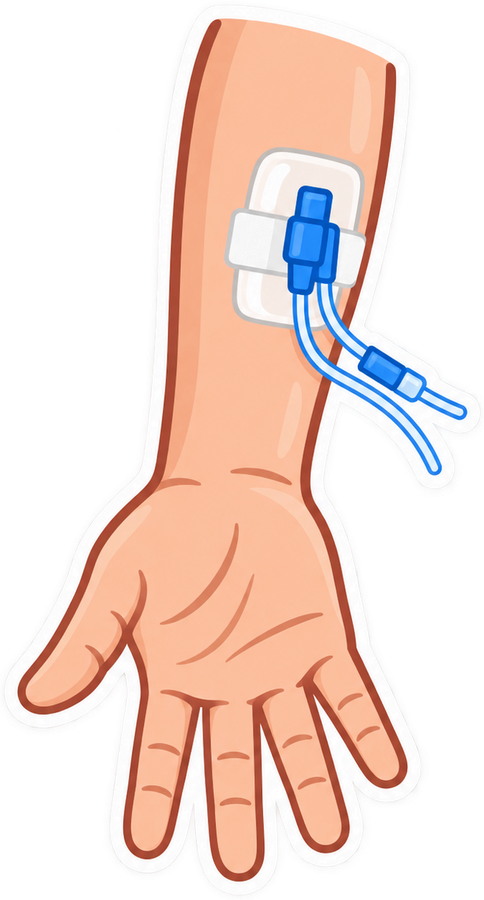
- IV
- fastest onset and complete bioavailability; highest immediate harm if the drug, dose, or rate is wrong.
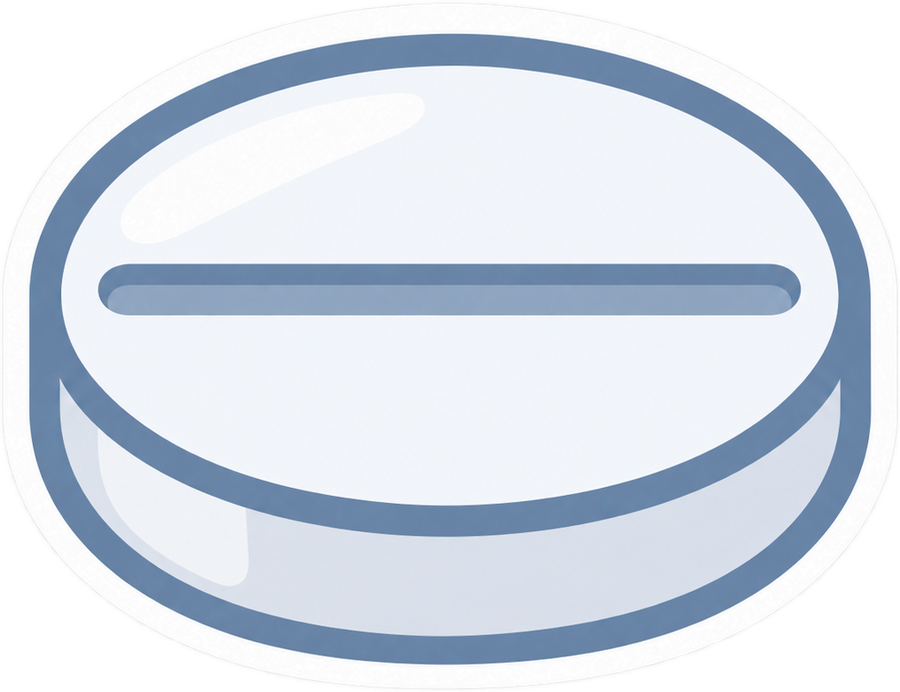
- Oral
- convenient but affected by swallowing ability, GI absorption, food, and first-pass metabolism.
- Sublingual/buccal
- avoids first-pass metabolism; do not let the patient chew or swallow unless the order allows it.
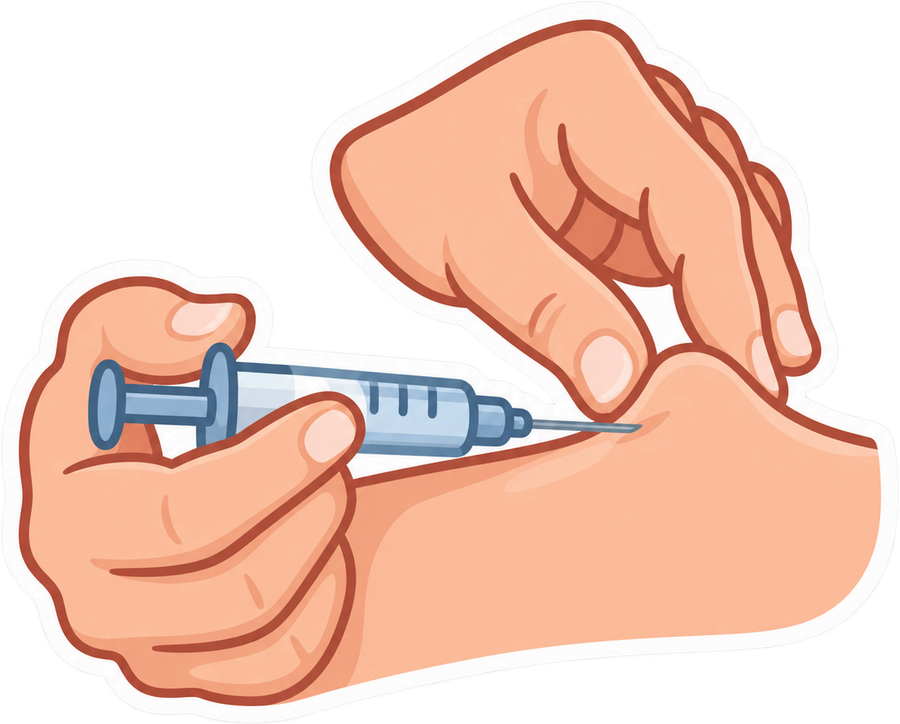
- Subcutaneous
- slower, steady absorption; common for insulin, heparin, and some vaccines.
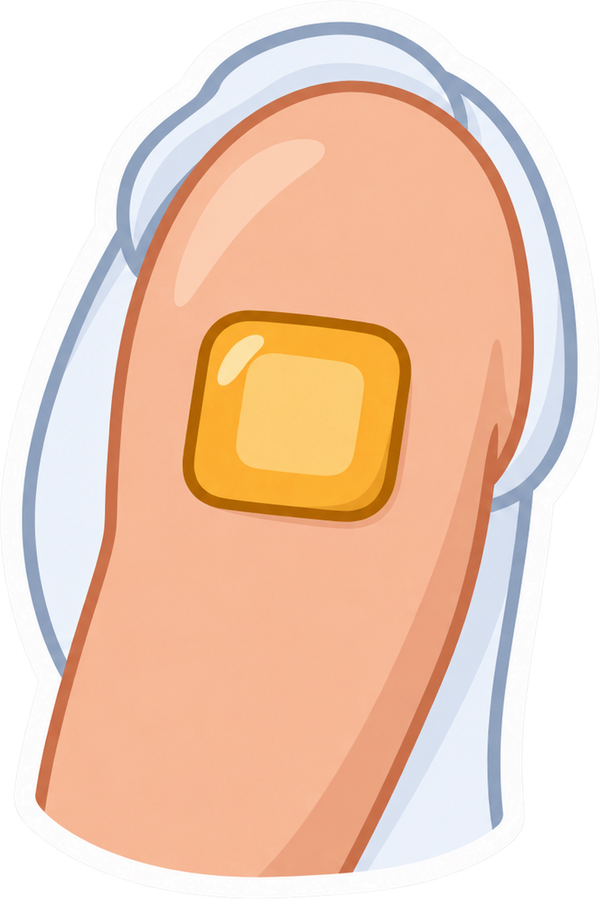
- Transdermal
- slow, continuous delivery; old patches must be removed before new patches are applied.
Overview
Sublingual and buccal routes bypass first-pass hepatic metabolism — rapid onset.
Why Route Selection Matters
Medication route determines how the drug reaches circulation and target tissue.
Route choice should match the patient's condition.
Assessment Before Administration
Before giving a medication, the nurse verifies the order, allergies, current assessment data, route appropriateness, and any route-specific hold parameters.
- Check the 6 rights: patient, medication, dose, route, time, and documentation.
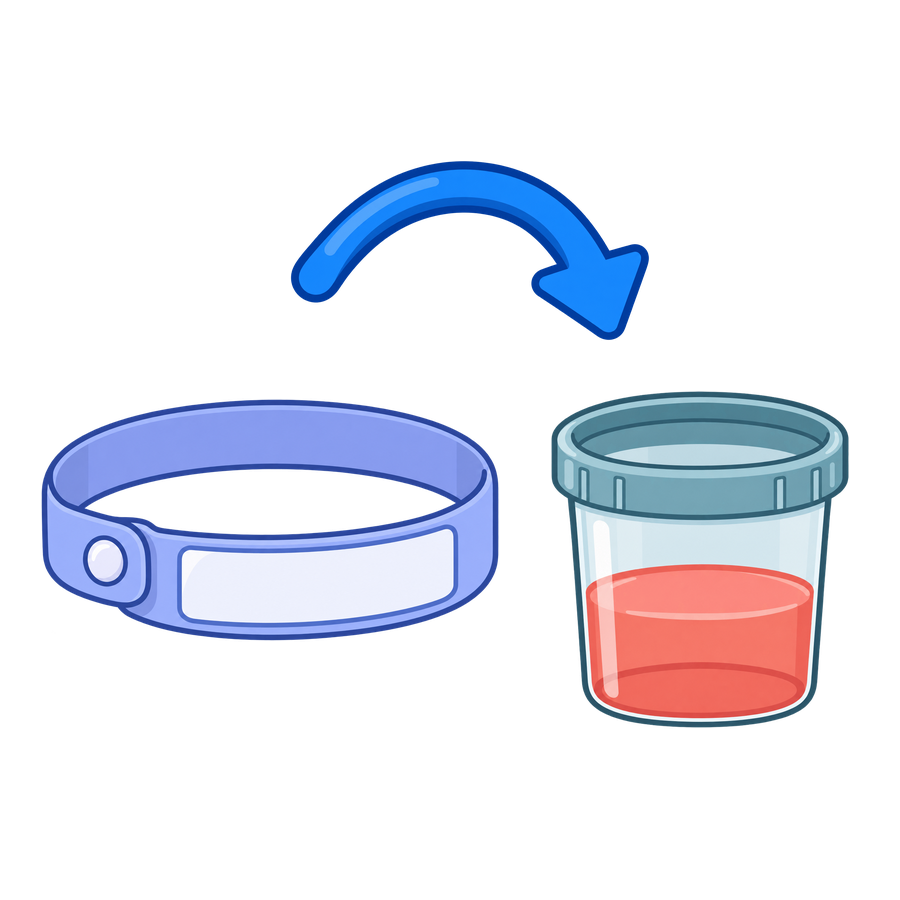
- Use two identifiers and compare the medication label with the order during preparation and at bedside.
- Assess swallowing before oral medications if dysphagia, stroke, sedation, or aspiration risk is present.
- Assess injection sites for bruising, edema, infection, scars, lipodystrophy, or poor perfusion.
- Review labs and vital signs that affect route safety, such as platelet count for injections or respiratory status before opioids.
Route-Specific Nursing Actions
Safe technique protects absorption and prevents injury.
- Subcutaneous injections go into fatty tissue; rotate sites and avoid massaging heparin or insulin sites.
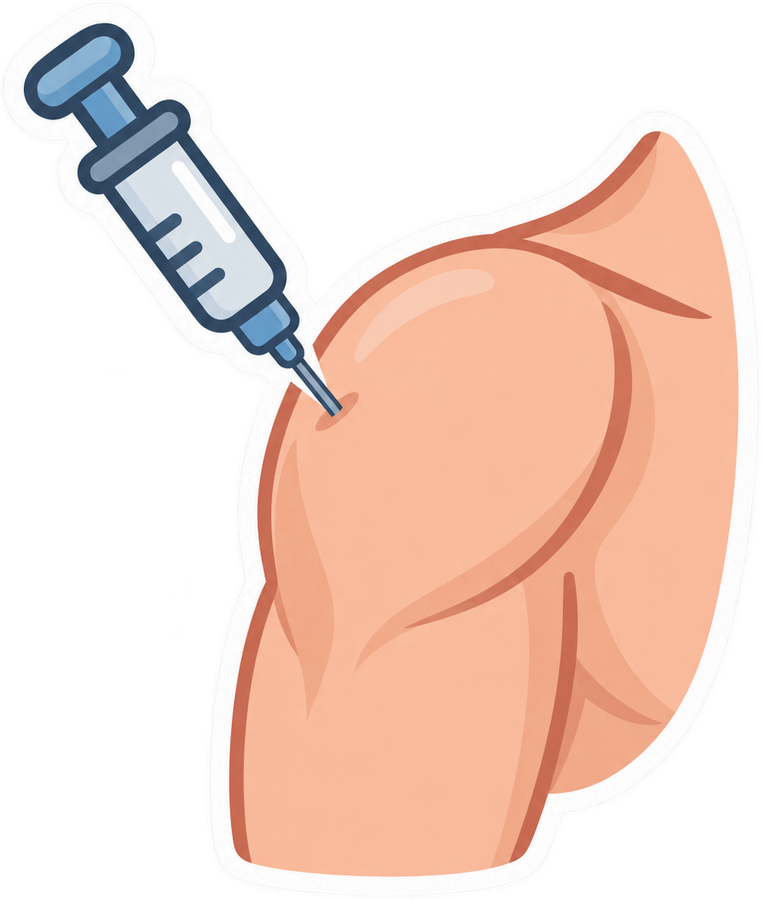
- IM injections require adequate muscle mass; avoid routine IM injections in patients with bleeding risk unless ordered and clinically justified.
- Sublingual tablets are placed under the tongue until dissolved; buccal medication is placed between cheek and gum.
- Enteric-coated and extended-release medications should not be crushed because absorption and toxicity risk can change.
- Transdermal patches require dated/timed application, skin rotation, and disposal that prevents accidental exposure.
Teaching and NCLEX Traps
Patient teaching should focus on how to take the medication correctly and what errors to avoid at home.
- Teach patients not to swallow sublingual nitroglycerin; it must dissolve under the tongue.
- Teach patch users to remove the old patch, rotate sites, avoid heat over patches, and wash hands after handling.
- Teach injection patients to rotate sites and report hard lumps, bruising, rash, or repeated hypoglycemia if using insulin.
- NCLEX trap: do not give oral meds to a patient with absent gag reflex, active vomiting, or inability to follow swallowing instructions.
Key nursing points
- SL / buccal → rapid onset, avoid first-pass metabolism (nitroglycerin).
- Subcut → slow steady absorption: insulin, heparin, some vaccines. Safe for elderly and infants.
- Always check the 6 rights: patient, drug, dose, route, time, documentation.
- Bioadhesives (e.g. chitosan) improve mucosal residence time.
Test yourself

Pick your answer first, then open the rationale. Guessing teaches nothing.
Subcutaneous, sublingual, buccal, transmucosal — onset, bioavailability, safety.
— 3 —