Pharmacokinetics
How the body processes drugs through absorption, distribution, metabolism, and excretion (ADME), and factors that alter drug response.
- Lesson 12 of 15
- 7 min read
4 terms
- Absorption
- drug moves from administration site into bloodstream.
- Distribution
- drug moves from blood into tissues.
- Metabolism
- drug is changed into metabolites, often by the liver.
- Excretion
- drug and metabolites leave the body, often through kidneys.
Overview
Pharmacokinetics describes what the body does to a drug.
PK vs PD
Pharmacokinetics explains the movement of a drug into, through, and out of the body.
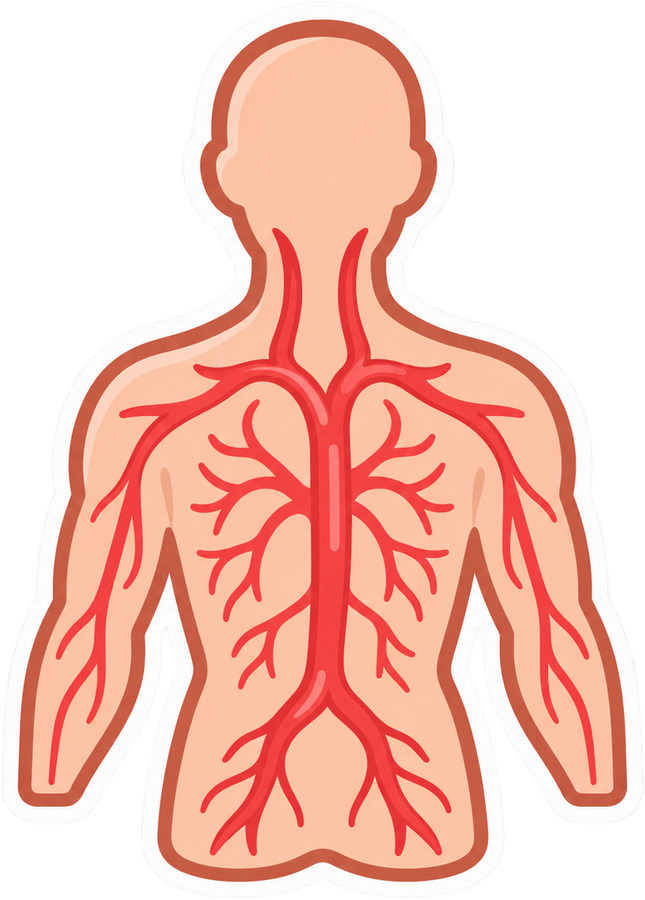
Absorption and Bioavailability
Absorption depends on route, formulation, solubility, pH, blood flow, food, GI motility, and first-pass metabolism.
- Slow GI motility can delay oral onset; diarrhea can reduce absorption time.
- Poor perfusion can reduce IM or subcutaneous absorption.
- Do not crush enteric-coated or extended-release products unless pharmacy confirms it is safe.
- Sublingual and buccal routes can provide rapid absorption and avoid first-pass metabolism.
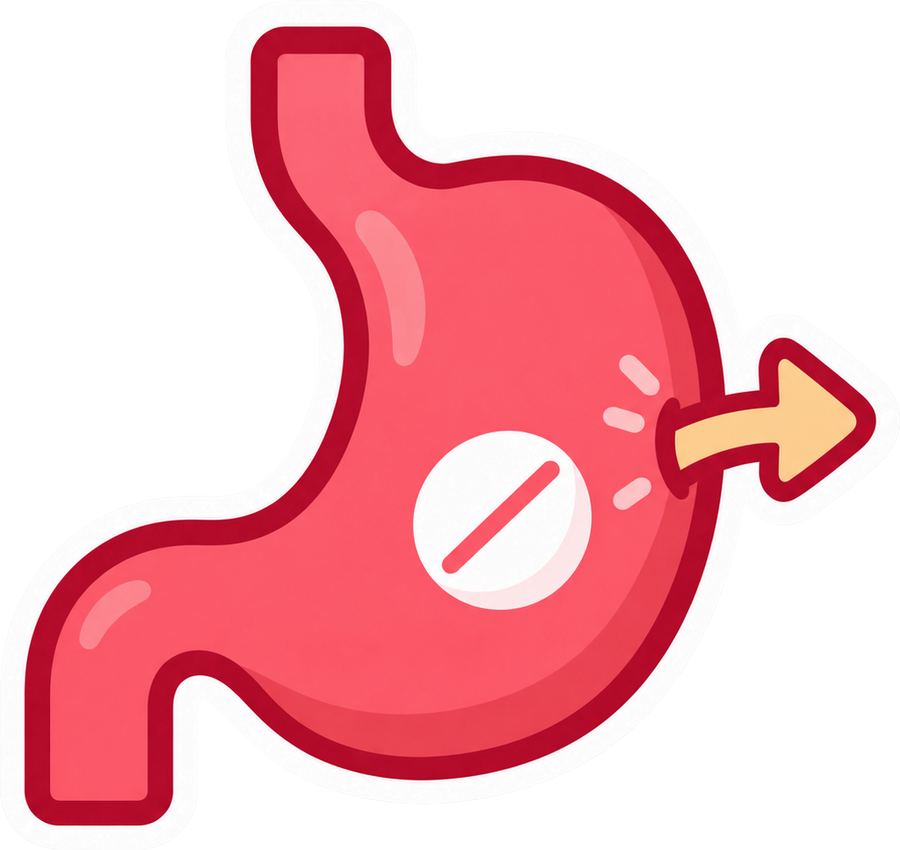
Distribution and Protein Binding
Distribution depends on blood flow, tissue barriers, lipid solubility, and protein binding.
- Hypoalbuminemia can occur with malnutrition, liver disease, nephrotic syndrome, and severe illness.
- The blood-brain barrier limits many drugs from entering the CNS.
- Pregnancy, edema, obesity, dehydration, and age can alter distribution.
- Watch for interactions when two highly protein-bound drugs compete for binding sites.
Metabolism, Excretion, and Monitoring
The liver commonly metabolizes medications, while the kidneys commonly excrete drugs and metabolites.
- Review creatinine, estimated kidney function, urine output, liver tests, albumin, and current medications for high-risk drugs.
- Peak levels reflect highest concentration and help judge efficacy or toxicity for selected drugs.
- Trough levels are drawn before the next dose for selected medications to identify accumulation.
- Half-life helps predict how long a drug remains active and how long it takes to approach steady state.
- NCLEX trap: renal impairment increases toxicity risk for renally cleared drugs; clarify unsafe orders rather than giving automatically.
ADME Phases
Absorption · Phase 1 — drug enters systemic circulation
Use: Key variable: bioavailability (fraction of dose reaching circulation), route of administration.
Side effects: Oral bioavailability reduced by first-pass metabolism (hepatic), food-drug interactions, altered GI motility.
Contraindications: IV route bypasses absorption — 100% bioavailability.
Nursing: Oral medications may have significantly lower bioavailability than IV. Some drugs cannot be given orally due to extensive first-pass metabolism.
Distribution · Phase 2 — drug moves to tissues
Use: Key variables: protein binding (albumin), lipid solubility, volume of distribution (Vd).
Side effects: Low albumin (malnutrition, liver disease, renal failure) increases free drug concentration → toxicity risk.
Contraindications: Highly protein-bound drugs (phenytoin, warfarin) can be displaced by competing drugs.
Nursing: Monitor for toxicity in patients with low albumin. Two highly protein-bound drugs together can cause toxicity via displacement.
Metabolism · Phase 3 — drug broken down (primarily liver)
Use: Key variable: CYP450 enzyme system in liver — responsible for most drug metabolism.
Side effects: Enzyme induction (rifampin, carbamazepine, phenytoin) decreases drug levels. Enzyme inhibition (fluconazole, erythromycin, grapefruit) increases drug levels.
Contraindications: Hepatic failure significantly impairs metabolism — reduce doses of hepatically metabolized drugs.
Nursing: Ask about all medications (including OTC/herbal) for CYP450 interactions. Grapefruit inhibits CYP3A4 — avoid with many drugs.
Excretion · Phase 4 — drug leaves the body
Use: Key variable: half-life, renal clearance (GFR/CrCl), tubular secretion/reabsorption.
Side effects: Renal impairment prolongs drug half-life, causing drug accumulation and toxicity (gentamicin, metformin, methotrexate).
Contraindications: Renally-cleared drugs require dose adjustment in CKD — calculate CrCl using Cockroft-Gault equation.
Nursing: Monitor renal function in elderly and patients on nephrotoxic drugs. Know which drugs require renal dosing adjustment.
Drug Interaction Mechanisms
CYP450 enzyme inducers · Pharmacokinetic interaction — increases drug metabolism
Use: Decrease plasma levels of co-administered drugs metabolized by the same enzyme.
Side effects: Therapeutic failure — drug levels fall below therapeutic range.
Contraindications: Major inducers: rifampin, carbamazepine, phenytoin, phenobarbital, St. John's Wort.
Nursing: Monitor for loss of drug efficacy when inducer is added. Rifampin is the most potent inducer — affects many drug classes.
CYP450 enzyme inhibitors · Pharmacokinetic interaction — decreases drug metabolism
Use: Increase plasma levels of co-administered drugs → risk of toxicity.
Side effects: Drug toxicity from elevated levels of substrate drug.
Contraindications: Major inhibitors: fluconazole, erythromycin, ciprofloxacin, grapefruit juice, cimetidine.
Nursing: Monitor for drug toxicity when inhibitor is added. Grapefruit inhibits CYP3A4 — educate patients to avoid with statins, CCBs, cyclosporine.
protein binding displacement · Pharmacokinetic interaction — distribution phase
Use: Drug displaced from protein binding sites results in temporarily elevated free drug levels.
Side effects: Transient increase in free drug concentration can precipitate toxicity.
Contraindications: Clinically significant with narrow therapeutic index drugs (warfarin, phenytoin).
Nursing: Extra vigilance when adding drugs to regimens containing warfarin, phenytoin, or other narrow-index protein-bound drugs.
Key nursing points
- Absorption: movement of drug from site of administration into bloodstream; affected by route, blood flow, and first-pass effect.
- Distribution: drug travels via blood to target tissues; affected by protein binding and blood-brain barrier.
- Metabolism: liver is primary site; CYP450 enzymes; first-pass effect reduces oral bioavailability of some drugs.
- Excretion: kidneys are primary route; renal impairment → drug accumulation → toxicity.
- Half-life: time for blood concentration to decrease by 50%; 4–5 half-lives to reach steady state.
- Peak level: highest drug concentration (check 30–60 min after IV dose for aminoglycosides).
- Trough level: lowest concentration before next dose (check 30 min before next dose).
Test yourself

Pick your answer first, then open the rationale. Guessing teaches nothing.
How the body processes drugs through absorption, distribution, metabolism, and excretion (ADME), and factors that alter drug response.
— 12 —